Why Does My Drain Smell Like Sewer? Causes, Fixes and When to Call
If you are searching "why does my drain smell like sewer", start with the simple causes, but take the smell seriously if it keeps coming back. Sewer odours can come from a dry trap, dirty waste, a blocked drain, poor venting or sewage moving where it should not. This guide helps Sydney homeowners work through the safe checks, spot the warning signs and know when to get a licensed plumber to investigate before the problem spreads.
Start with the room, not the whole plumbing system
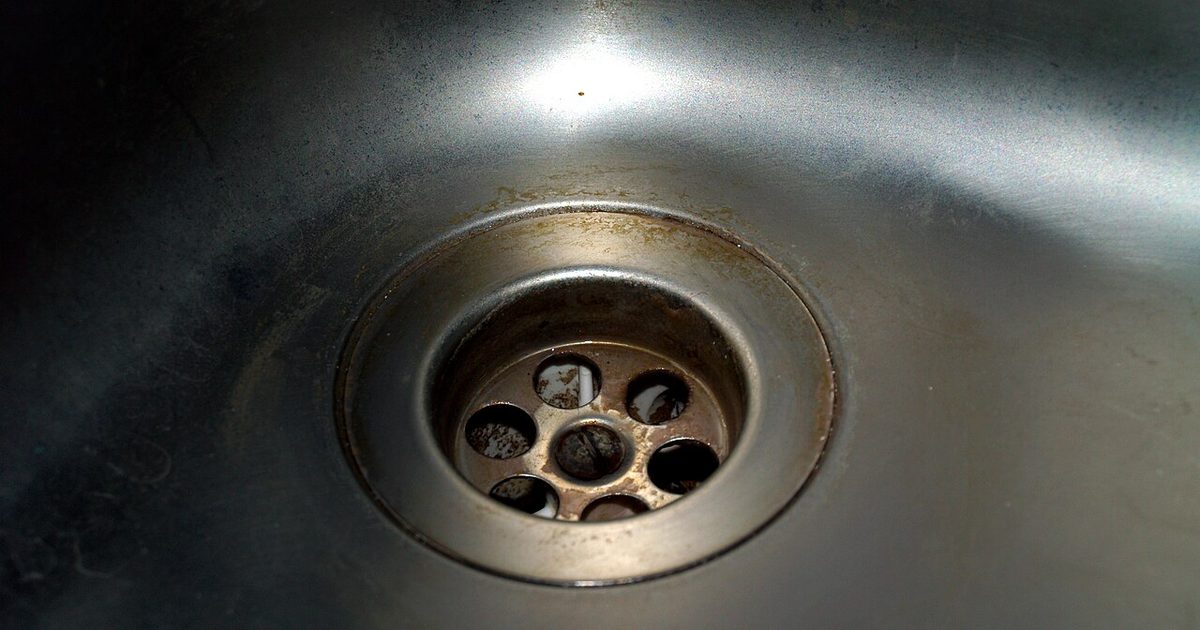
A sewer smell is easier to trace when you slow down and identify where it is strongest. Check whether the odour sits at one sink, one shower, the laundry, a floor waste, an outside gully or several rooms at once. One fixture often points to a local trap or build-up problem. Several rooms can point to a shared drain, venting issue or sewer line problem. Notice when it happens as well. A smell after a hot shower may be different from a smell after heavy rain, after the washing machine drains, or after a long holiday. Do not start pouring chemical drain cleaner into every outlet. It can damage fittings, create splash risks and make the eventual plumbing work less safe. Open a window, keep children away from affected wet areas and work from the lowest-risk checks first. If sewage is visible, skip straight to professional help. The plumber you hire can use those details to decide whether the next step is a trap clean, CCTV drain inspection, jetting or a vent check.
First check: the trap may have simply dried out
Every sink, shower and floor waste should have a water seal that blocks sewer gases from coming back into the room. If a guest bathroom, laundry trough or floor waste has not been used for weeks, that water can evaporate. The result can smell like sewer even when the drain is not blocked. The safe test is simple: run water slowly into the fixture for a minute, then wait and see whether the smell fades. For a floor waste, pour a small bucket of clean water into the grate. Do not use boiling water on unknown plastic pipework, and do not add strong chemicals. If the smell disappears and only returns after long periods of no use, the fix may be regular water in the trap. If it comes back within hours, or a floor waste will not hold poured water, the trap may have a failed seal, a vent problem, or negative pressure pulling the seal out when another fixture drains. Stop using that fixture and get the trap and pipe layout checked. Dry traps are one of the easiest causes to rule out, but they are not the only explanation. Treat them as the first safe check, not the final answer. One rule separates this from the warning later in this guide: running water to refill a trap that has dried out is safe and useful, but running taps to test a drain you already suspect is blocked is not, because it can push wastewater into the room. The test is whether you are refilling or probing.
A dirty waste can smell foul too — and it is a different problem from sewer gas
Bathroom and kitchen wastes collect soap, hair, toothpaste, grease, food film and skin oils. That material can sit around the grate, pop-up plug, overflow opening or first bend and produce a sour sewer-like smell. This is still a plumbing hygiene issue, but it is different from sewer gas entering through the system. Remove loose hair and visible grime from the grate, clean the plug assembly if it is designed to lift out, and flush with warm water. A mild detergent clean is safer than harsh drain chemicals. In a kitchen sink, check whether the smell is strongest at the drain, the overflow, the dishwasher connection or the bin area under the sink. In a shower, look around the grate and screen track as well as the pipe opening. If the drain is slow, gurgles, bubbles or backs up after cleaning the visible parts, stop treating it as surface grime. A partly blocked drain can hold foul water in the line and push odours back into the room. That is when drain cleaning cost, CCTV inspection and written quote details matter more than another supermarket cleaner.
Gurgling, slow draining and bubbles point to a blockage
A sewer smell plus slow water is a stronger warning sign than smell alone. Listen for gurgling after a toilet flush, bath drain, shower or washing machine cycle. Watch whether water rises in a nearby floor waste or outside gully when fixtures inside are used. Those symptoms can mean air is struggling to move through the pipe because wastewater is meeting a blockage. Tree roots, grease, silt, wipes, collapsed pipe sections and poor fall can all create the same early signs. The danger with repeated DIY attempts is that they may move the blockage deeper, scratch pipework or hide the symptom until it returns after the next heavy use. For a Sydney home, ask for a clear written quote that explains what is included: call-out, initial assessment, drain jetting, eel work, CCTV camera inspection and any after-hours loading, and what happens if the work turns out larger than first assessed. The goal is to find why it happened, not just to clear the smell today.
Check whether rain changes the smell
If the odour appears after heavy rain, do not assume it is just the bathroom drain. Rain can reveal cracked stormwater lines, blocked pits, overflowing gullies or a wastewater issue made worse by inflow. Stormwater and sewer connections differ between properties, so treat the two as separate lines of enquiry until the plumber confirms which is affected. A stormwater blockage may show as pooling near downpipes, driveway grates or garden pits. A sewer issue may show as toilet gurgling, wastewater near a gully, bad odour near a boundary trap or multiple internal fixtures draining slowly. The distinction matters because the likely cause, the tools needed and the cost of the fix are different. If the problem sits beyond your boundary, ask the plumber you hire to show you what the camera found and explain what happens next. Take photos during the rain if it is safe. Note where water appears, how long it sits, whether the smell began while it was raining and whether any internal fixtures behave differently. Do not lift heavy covers during flooding or put your hands into murky water. That is a job for a plumber once the water has gone down.
Poor venting can pull water out of traps
Plumbing vents help air move through the drainage system so wastewater can flow without siphoning water out of traps. When venting is blocked, undersized, altered during renovations or poorly connected, one fixture can affect another. You might hear a sink gurgle after the toilet flushes, notice a shower smell after the washing machine drains, or find that a trap dries even though the fixture is used. Vent problems are easy to misread because the drain may still move water. The smell can come and go, which makes it tempting to ignore. A plumber may check roof vents, fixture traps, pipe fall, previous renovation work and whether any new fixtures were added without the right drainage design. This is not a job for guesswork because the visible symptom is often far from the fault. If the smell began after a bathroom renovation, laundry move, new kitchen, granny flat connection or roof work, mention that when you book. That history can save time on site and help the plumber quote the right investigation rather than starting with the wrong tool.
When a sewer smell is an urgent plumbing problem
Some signs should not wait for a weekend DIY attempt. Call a licensed plumber promptly if wastewater is visible, toilets will not flush, several fixtures are affected, the smell is strong near an outside gully, water backs up into a shower, or the odour comes with damp walls, subsidence, pests or mould. Also treat it as urgent if anyone in the home is vulnerable and sewage may be involved. Keep people away from the area, avoid using affected fixtures and do not cover the smell with sprays while the cause remains. If the problem is contained to one dry guest bathroom and water in the trap fixes it, you can monitor it. If it returns or spreads, get it checked. For rental or strata properties, report the symptoms in writing and include photos. For homeowners, ask for a written quote before non-emergency work begins and confirm whether CCTV evidence will be provided if pipe damage is suspected. Sewer smells are not only unpleasant; they can be the early warning before a blocked sewer, collapsed pipe or wastewater overflow becomes more expensive.
What a plumber may do on site
A proper investigation starts with symptoms, not a tool-first approach. The plumber may run water through fixtures, check traps and gullies, listen for air movement, inspect accessible pipework, test whether fixtures affect each other and look for signs of blocked drains or poor fall. If the evidence points deeper, CCTV can show roots, cracks, dips, heavy scale, foreign objects or pipe separation. High-pressure water jetting may clear a blocked line when the pipe condition allows it. In some cases the answer is simpler: clean a trap, replace a failed fitting, repair a leaking seal or correct a connection under the sink. The cheapest number is not always the best if it excludes camera work, after-hours rates, access issues or follow-up advice.
What not to do while you wait
Do not keep flushing toilets or running taps to test a suspected sewer blockage. If wastewater has nowhere to go, extra water can make the overflow worse. Do not mix drain cleaners, bleach, acids or caustic products. Tell the plumber if you have already used one, before any further work starts. Do not push a garden hose deep into a drain unless you know what the pipe serves. You can drive debris further in or force dirty water out somewhere else. Do not ignore a smell because it comes and goes. Intermittent odours often line up with fixture use, rain, venting or partial blockages. Record the affected fixtures, time of day, rain conditions, recent renovations and anything that changed before the smell started. Those details help separate a dry trap from a blocked drain, a vent fault from surface grime, and a stormwater issue from a sewer issue.
How to prevent the smell coming back
Prevention depends on the cause, so match the habit to what you found. If the smell came from a dry trap, run water through rarely used fixtures every few weeks. If it came from waste build-up, keep hair, wipes, grease, coffee grounds and food scraps out of drains, and clean visible grates and plug assemblies before build-up becomes a blockage. If the smell appeared after storms, check outside gullies and stormwater grates, especially if trees drop leaves near the roof or driveway. If a drain has blocked more than once, ask whether CCTV is worth doing rather than paying for repeated clears without a diagnosis. If the smell followed a renovation, laundry move or new appliance, mention that history when you book so the venting and drainage design can be checked. Keep the quote, photos and any camera notes so the next plumber knows what has already been tried. Sewer smells are easiest to fix when the pattern is fresh, the symptoms are recorded and the line is inspected before a full overflow happens.
Common questions
Can I pour drain cleaner down a smelly drain?
It is safer to avoid harsh drain cleaners, especially if you do not know whether the drain is blocked, venting poorly or connected to wastewater. Clean visible grime and run water first. If the smell stays or the drain is slow, get a licensed plumber to inspect it.
Why does only one bathroom smell like sewer?
One bathroom usually points to a local issue such as a dry trap, dirty waste, failed seal, poor venting near that fixture or a branch blockage. Several rooms smelling at once is more concerning and can point to a shared drain or sewer problem.
Is sewer smell dangerous?
A smell is a signal, not a diagnosis, and this page cannot judge whether odour alone is a health risk. Act on what you can see: visible sewage or backflow, damp or mould, pests, or anyone ill or vulnerable in the home. If you see those, keep people away and call a licensed plumber.
Should I ask for CCTV drain inspection?
CCTV is worth discussing when the drain blocks repeatedly, several fixtures are affected, roots are likely, or a plumber needs to confirm pipe damage before quoting repairs. Ask whether camera work is included in the written quote.
Need a licensed plumber in Sydney?
Tell us what's going on and a local plumber will get back to you fast.
Get my free quoteGet a free quote
Tell us what you need and a local, licensed plumber in Sydney will call you back. No obligation.
- Local, licensed plumbers
- Fast response — incl. emergencies
- Free quote, you choose who to hire