Water Heater Cost and Installation Sydney 2026: What Changes the Quote
Water heater cost and installation in Sydney usually comes down to more than the sticker price on the tank. A simple like-for-like swap may sit in a lower price band, while a fuel change, heat pump upgrade, difficult cupboard, new valves or after-hours failure can move the quote quickly. The aim is to get hot water back without paying for hidden extras you did not approve.
The short answer: installed cost bands to expect
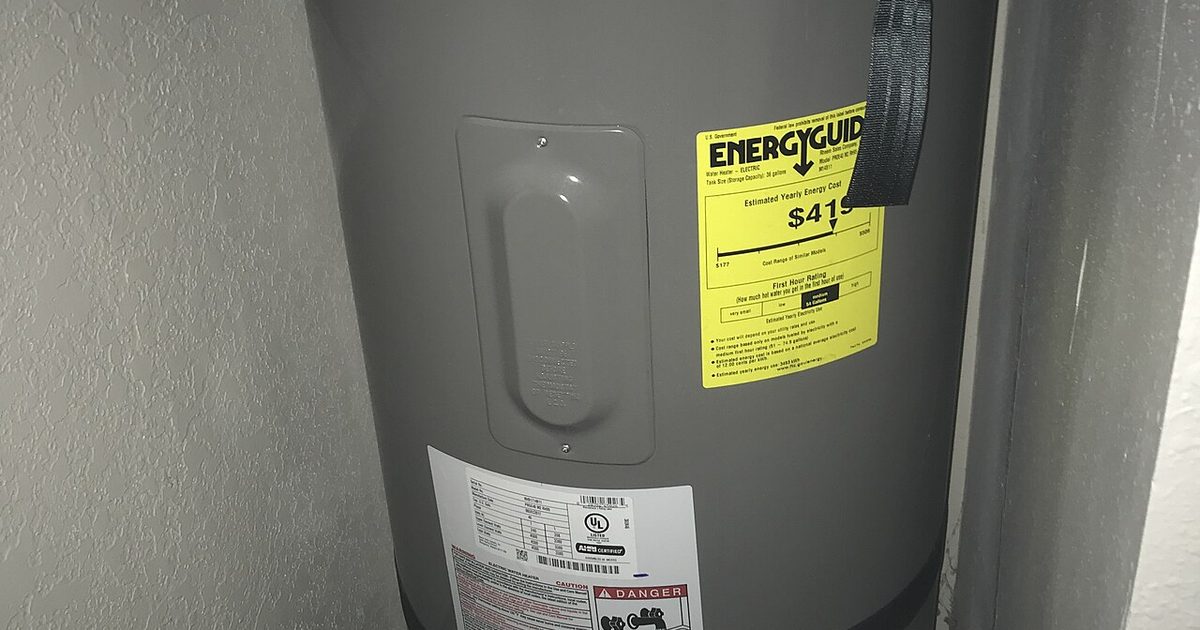
For 2026 Sydney quotes, treat these as planning bands, not promises. A standard electric storage replacement is often quoted in the lower bracket, roughly around $1,000 to $3,000 installed when the size, location and connections stay similar. Gas storage and continuous-flow jobs commonly sit higher, often around $1,500 to $4,000 or more, because flue clearances, gas supply and wall position matter. Heat pump hot water is usually the larger upfront quote, commonly several thousand dollars before any eligible incentive, because the unit is dearer and location, airflow, noise and drainage all matter. Solar hot water can run higher again when roof work, boosting and pipe runs are involved. The written quote should say whether it includes the unit, labour, valves, old-system disposal, commissioning, call-out fees and any separate electrical or gas work. If those items are vague, two quotes that look $600 apart may not be quoting the same job.
What is included in a fair hot water quote
A useful water heater quote is a scope of work, not one line that says supply and install. It should name the system type, capacity, model or equivalent allowance, where the unit will sit, what existing pipework can be reused, which valves will be replaced, how the relief drain will terminate, whether disposal is included and whether work is business-hours or urgent. Ask whether the quote includes testing, handover, warranty paperwork and cleanup. If gasfitting or electrical work is needed, the quote should say who is doing it and whether it is included or excluded. An independent plumber can only price the real job after checking the old system, access and safety controls. Photos help, but a written quote still needs enough detail for you to compare like with like.
Like-for-like electric storage is usually the simplest path
If your old electric storage cylinder worked well for the household and the base, valves and access are sound, replacing it with a similar-sized unit is usually the cleanest option. The plumber isolates power and water safely, drains and removes the old cylinder, checks the inlet and outlet connections, fits required valves, connects the new unit, fills it, tests for leaks and checks hot water delivery. Cost rises when the tank is hidden in a cupboard, sits above finished flooring, has corroded fittings, lacks safe drainage or needs a different size. A larger tank may need more space and may not suit the same cupboard. A smaller tank may be cheaper but can run cold when back-to-back showers, laundry and dishwashing overlap. The cheapest like-for-like quote is not always the best if it leaves old valves, poor drainage or weak pipework in place.
Gas storage and continuous-flow jobs need extra checks
Gas hot water can make sense where the home already has a suitable gas supply and the system has served the household well. The quote still needs more than a model number. Gas storage and continuous-flow units raise questions about gas pipe size, isolation points, ventilation, flue clearances, wall position and access for future servicing. A continuous-flow unit saves space and does not store a large tank of hot water, but it can be sensitive to flow rate, distance to bathrooms and whether the existing gas line can feed it properly. If the old gas unit has failed suddenly, do not assume every replacement can be fitted in the same spot. Ask who is handling the gas work, what is included, what is excluded and how the plumber will test the system before handover. If a quote avoids those details, ask before accepting it.
Heat pumps can be smart, but the site matters
Heat pump hot water is attractive because it can use less electricity than a basic resistance electric tank, especially when matched with the right tariff or solar pattern. The installed cost is higher, so the decision should not be based on a rebate headline alone. A heat pump needs airflow, drainage, a stable base and a location where fan noise will not annoy bedrooms or neighbours. The common weak spots are practical ones: the relief drain needs somewhere sensible to run, the base needs to stay level, pipe insulation needs to be tidy and the fan needs breathing room. A heat pump squeezed into the wrong corner can become a complaint, not an upgrade. Ask the plumber to explain why the proposed location works, where condensate and relief water will go, and what electrical work is included or separate.
Tempering valves, pressure valves and drains change the price
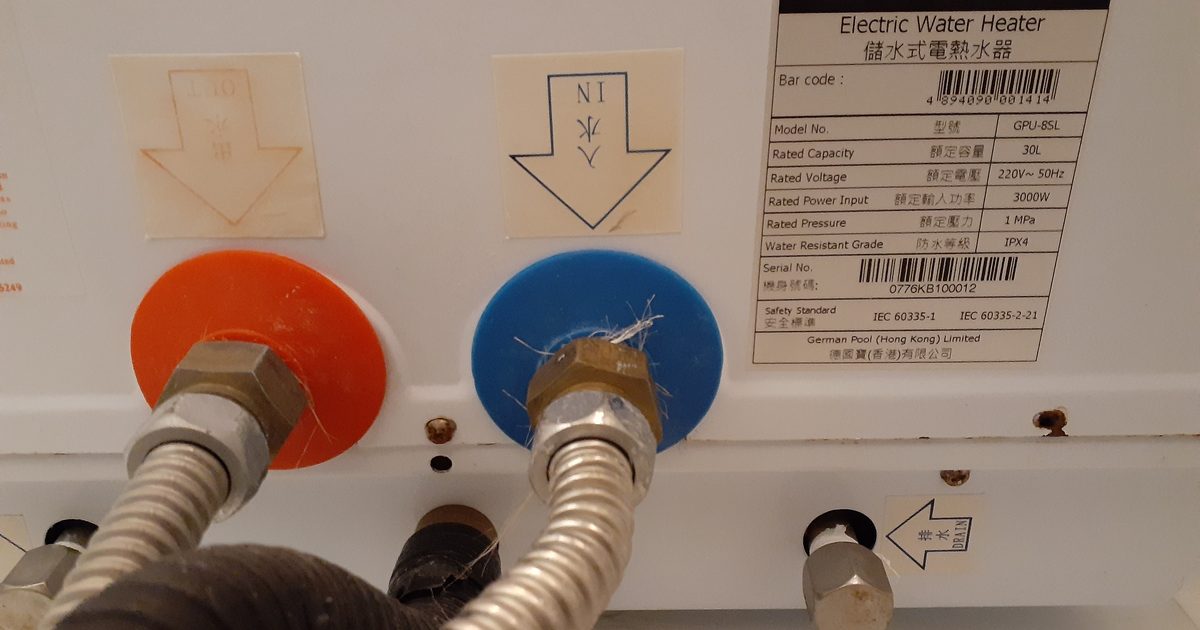
Many quote disputes start because one contractor includes important parts while another leaves them vague. Around hot water systems, the plumber may need to assess the tempering valve, pressure limiting valve, expansion control valve, temperature pressure relief valve and the drain line from relief valves. Those parts help manage temperature, pressure and safe water discharge. If the old valve set is aged, seized, leaking or no longer suitable for the new unit, replacing it adds cost but may prevent a worse failure. If relief water cannot discharge to a sensible place, the quote may need extra pipework. Ask for these parts to be named, not hidden under sundries. The clearest quote explains which fittings stay, which fittings change and why they matter for your home.
Access can matter as much as the system price
Two identical water heaters can produce very different installation quotes because one is beside a driveway and the other is in a tight internal cupboard. Access affects labour, lifting, protection of floors, disposal, drainage and how quickly the plumber can work safely. Narrow stairs, apartment lifts, roof spaces, cramped laundries and old units boxed into cabinetry all add time. Outdoor systems can still be tricky if the slab is broken, the relief drain discharges in the wrong place or the new unit needs weather protection and clearance. If the quote seems high, ask what access issue is driving it. If it seems low, ask what happens if the plumber arrives and the old tank cannot be removed easily. A written quote should make those assumptions clear before the job starts.
Changing fuel type is a bigger job than swapping a tank
A switch from electric storage to gas, gas to heat pump, or storage to continuous-flow can be worthwhile when it solves a real problem. It can also add work outside basic plumbing. Electrical circuits, gas supply, wall mounting, drainage, ventilation, condensate, old-service disconnection and patching may all enter the job. This is where cheap headline prices become risky. A quote for a conversion should name every trade involved and explain what is excluded. If you are electrifying a home, ask how the hot water decision fits your switchboard, solar, tariff and future cooking or heating plans. If you are staying with gas, ask whether the gas line and clearances suit the new appliance. Do not approve a conversion because the unit price looks good. Approve it because the whole scope is clear.
Emergency replacement limits your choices
When the old system leaks badly or the household has no hot water, speed often matters more than a perfect upgrade plan. Emergency work can cost more because it may involve after-hours attendance, temporary isolation, limited stock and a same-day decision. In that situation, focus on making the home safe, stopping water damage and getting a clear written option. You may choose a like-for-like replacement because it can be done faster, then plan a bigger upgrade next time. If water is escaping, turn off the water supply to the unit if you can do so safely, keep clear of electrical hazards and call a hot water plumber. If gas smell is involved, treat it as urgent and follow emergency safety advice. A calm weekday replacement almost always gives you more choice than a failed cylinder at night.
How to compare two quotes without guessing
Put the quotes side by side and check the same items in each. Is the system type and capacity the same? Is the brand or model equivalent? Are tempering and pressure valves included? Is disposal included? Is the call-out fee separate? Is electrical or gasfitting included, excluded or to be arranged by you? Does the quote explain the warranty split between the unit and the labour? Does it include testing and commissioning? Does it say what happens if hidden corrosion or unsafe pipework is found? If one quote is cheaper, the reason should be visible. Sometimes the lower quote is efficient. Sometimes it is missing a valve set, disposal, access allowance or second trade. Ask the plumber to put exclusions in writing so the final invoice does not surprise you.
Ask the trade questions before you approve the quote
Before you approve a water heater quote, ask practical questions that reveal whether the job has been properly scoped. Who is supplying the unit? Who is removing the old one? Who is handling any gas or electrical component? What valves are being replaced? Where will relief water and condensate go? What happens if hidden corrosion appears once the old unit is moved? Ask the tradesperson you hire for their licence details and a written quote, but keep the discussion focused on the job in front of you. For heat pump systems, ask about airflow, noise, drainage, pipe insulation and the base. For gas systems, ask about gas supply, ventilation and service access. These questions protect your budget because they pull hidden work into the quote before the invoice arrives.
When repair makes more sense than replacement
Not every hot water fault means a new system. A failed valve, tempering issue, thermostat, element, pilot problem or small leak at a fitting may be repairable. Replacement becomes more likely when the tank itself is leaking, the system is old and unreliable, parts are hard to source, the capacity no longer suits the home or the installation has safety problems that would cost heavily to correct. A sensible quote should separate diagnosis from replacement. If the plumber recommends a new unit, ask what failed, whether a repair is practical, how long that repair is likely to last and what extra work the replacement includes. For rental properties, strata units and family homes with high hot water use, the answer may differ. The right choice is the one that balances urgent comfort, safety, remaining system life and a written scope you understand.
Common questions
What is the cheapest hot water system to install in Sydney?
A like-for-like electric storage replacement is often the lower-cost path when the location, capacity and pipework stay similar. The quote can rise if the old valves need replacement, the tank is hard to access, drainage is poor or electrical work is needed.
Should I try to install a water heater myself?
Do not treat hot water replacement like a plug-in appliance. It involves water pressure, hot water temperature, drainage and sometimes gas or electrical work. For a safer result and a clearer warranty trail, hire the right tradesperson and ask for licence details and a written quote.
Why are heat pump hot water quotes so different?
Heat pump quotes vary because the unit, airflow, noise position, condensate drainage, pressure controls, electrical work and rebate assumptions may all differ. Ask each plumber to show what is included before comparing the final number.
Should I repair or replace a leaking hot water system?
If the tank itself is leaking, replacement is often likely. If the leak is from a valve, union or pipe fitting, repair may be possible. A plumber should identify the leak source first, then explain the realistic life left in the system.
Need a licensed plumber in Sydney?
Tell us what's going on and a local plumber will get back to you fast.
Get my free quoteGet a free quote
Tell us what you need and a local, licensed plumber in Sydney will call you back. No obligation.
- Local, licensed plumbers
- Fast response — incl. emergencies
- Free quote, you choose who to hire