Water Hammer in Sydney Homes: Causes, Warning Signs and When to Call a Plumber
A loud bang after the washing machine stops or a tap snaps shut is more than an annoying house noise. Water hammer can loosen fittings, stress flexible hoses and point to pressure problems that need a careful look. This guide explains the likely causes, the safe checks a homeowner can do, and the point where a written quote from a licensed plumber makes more sense than guessing.
What water hammer sounds like
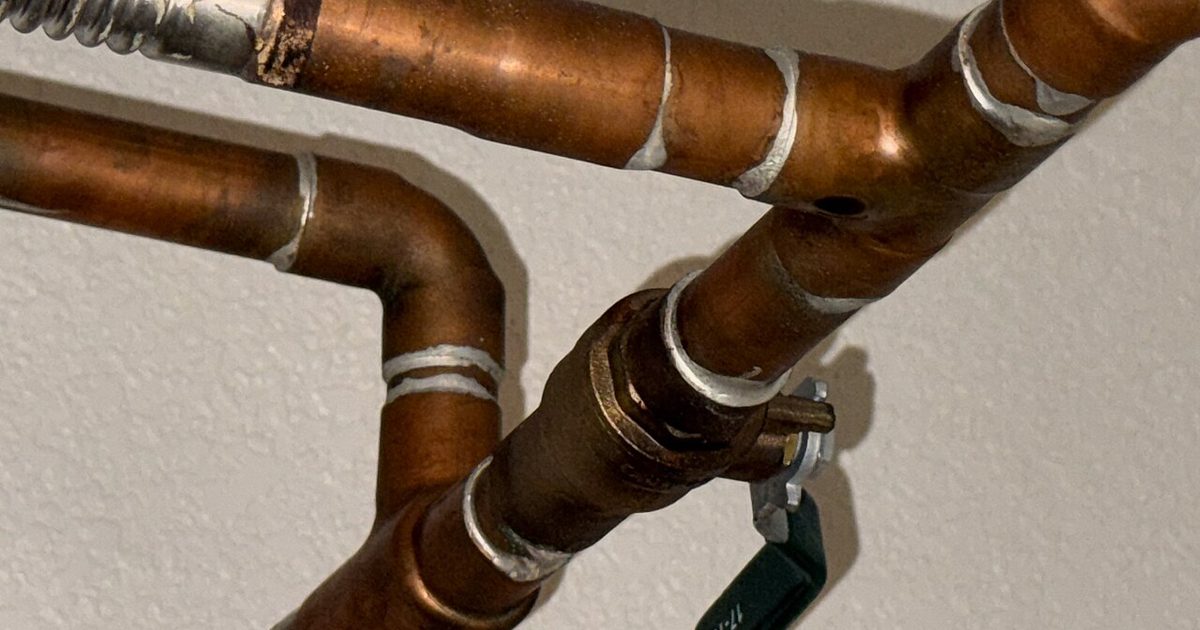
Water hammer is the sharp knock, thud or rattle you hear when moving water is forced to stop suddenly. In a Sydney home it often shows up after a washing machine, dishwasher, mixer tap, toilet cistern or garden tap shuts off. One bang usually means a pressure wave has hit a bend, valve or loose pipe. Repeated rattling can mean a pipe is moving inside a wall, under a floor or near a clipped section in a cupboard. The noise may travel, so the loudest room is not always where the fault starts. A laundry bang can echo through the bathroom wall, and a kitchen mixer can shake a pipe in the ceiling. Treat the sound as a clue, not a diagnosis. The useful question is when it happens: only on hot water, only on cold, only with one appliance, or across the whole house.
Why the noise happens
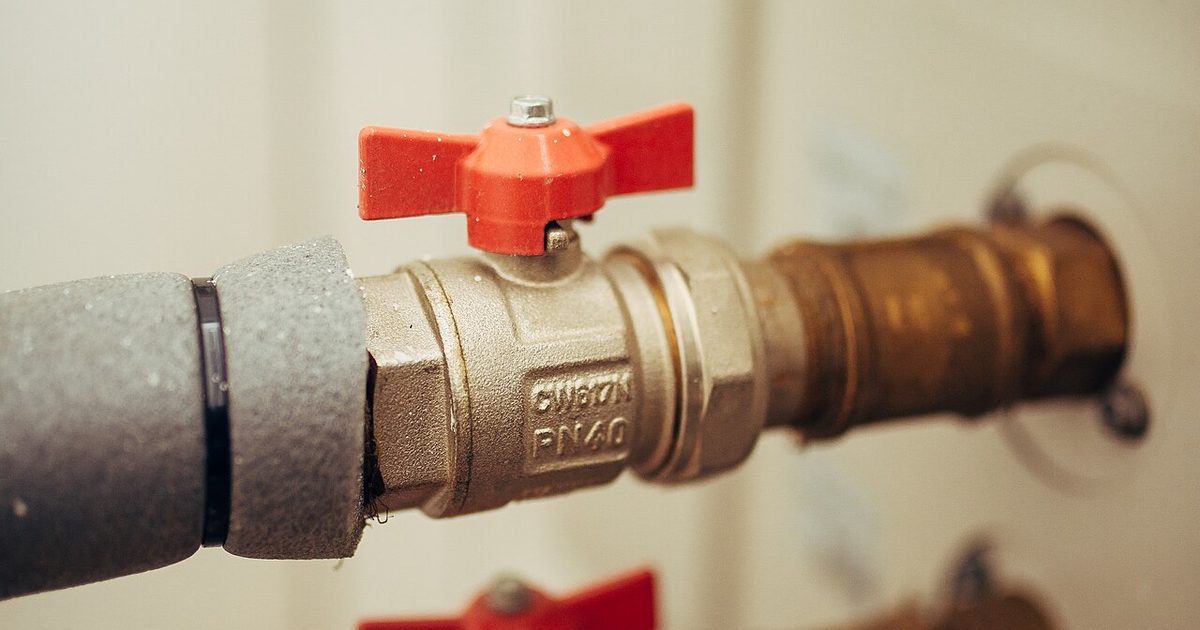
Water has weight and momentum. When a valve closes quickly, the moving column of water has to stop almost at once. That sudden stop sends a pressure wave back through the pipework. If the pipe is well clipped, pressure is controlled and the valve is suitable, the wave may be quiet enough that you never notice it. If clips have loosened, pressure is high, an appliance valve snaps shut or the pipe route has long unsupported runs, the wave can turn into a bang. Older Sydney homes can be more prone because renovations often add new mixer taps, dishwashers and washing machines to older pipe routes. Newer homes can still have it if pressure is high or a fixture has a fast solenoid valve. Water hammer is not a sign that every pipe is about to burst, but it is a sign the system is taking stress it should not be taking.
First check the pattern
Before touching anything, write down the pattern for two days. Note which tap or appliance causes the bang, whether it happens on hot or cold water, whether it started after a new appliance, and whether it is worse at night. You often notice it more at night because the house is quiet, and mains pressure can change through the day, so note the times it happens. If the bang started after a washing machine or dishwasher was installed, the appliance valve or connection may be the trigger. If every fixture bangs, the issue may sit closer to the pressure limiting valve, meter, main isolation valve or a common pipe run. This small record helps a plumber quote the job sensibly because the likely cause changes the inspection: whether to test pressure first, inspect clipped pipework or focus on one appliance connection.
Safe checks you can do
Start with simple checks that do not involve opening walls or working on pressurised pipework. Turn taps off gently rather than snapping them shut. Run the washing machine or dishwasher while you stand nearby and listen for the exact moment of the bang. Check visible pipes under sinks, behind the laundry and near the hot water system for movement when water stops. Look for flexible hoses that twist, pull tight or tap against cabinetry. Confirm the main isolation valve is fully open. Do not partly close valves as a permanent fix, because it can mask pressure problems and reduce flow to fixtures. If you see leaking, corrosion, swollen hoses or movement at a joint, stop testing and organise a written quote.
Pressure is often part of the problem
High water pressure can make water hammer louder and harder on fittings. Sydney properties can vary by suburb, street level, building height and local network conditions, so a neighbour’s experience is not proof of what is happening in your home. A plumber can test static pressure and working pressure with the right gauge, then check whether a pressure limiting valve is installed and doing its job. In some homes the fix is not a hammer arrestor at all. It may be a failed pressure limiting valve, a valve set too high, or pipework that needs better support. Pressure work should be handled carefully because reducing pressure too far can create weak shower flow, slow appliance fill times and unhappy tenants in a strata setting. The target is controlled pressure, not the lowest possible number.
When a hammer arrestor helps
A water hammer arrestor is a small device fitted near a fast-closing valve to absorb the pressure wave. It can work well for a clear appliance-triggered bang, such as a washing machine that knocks when the inlet valve shuts. It is less useful when the whole house is affected by high pressure or loose pipework. Arrestors also need to be placed where they can do the job. Fitting one far from the source may not solve the noise. For a single fixture problem, ask for the quote to state where the arrestor will go and why. For a whole-home problem, ask whether pressure testing and pipe support checks should come first. That keeps the job from turning into trial and error. If several fixes are possible, a written quote should explain the order of work and what result you should expect after each step.
Loose pipes can turn a small pressure wave into a big bang
A mild pressure wave becomes much louder when a pipe can move. Pipe clips can loosen over time, timber framing can dry and shift, and renovations can leave runs with poor support. You may hear the noise in a wall, ceiling or vanity even if the trigger is somewhere else. Visible pipe movement is a useful clue. If a pipe jumps when a tap shuts, it needs attention before the movement works on joints, elbows or flexible connections. The challenge is access. Some clips are easy to reach under a sink or beside a hot water system. Others sit behind plasterboard, under floors or inside tight roof spaces. A sensible repair balances access cost against risk. It may be better to secure an accessible run and retest before cutting into a wall.
What changes in apartments and strata buildings
Water hammer in apartments can be harder to trace because one unit’s fixture may affect another unit’s pipe run. A bang may come from common pipework, a pressure zone, a pump set, an isolation valve or a recent renovation in another unit. Strata committees should avoid blaming one resident based only on where the sound is loudest. Keep a log of time, location and affected fixtures, then check whether the noise follows pump cycles, peak usage or a specific appliance. Access permissions matter too. A plumber may need to inspect common areas, meter cupboards and more than one unit. Ask for the quote to list each part of the work as a separate line item, and agree up front who will arrange access to the areas the plumber needs to inspect. Good notes save repeat callouts.
Cost factors to expect in a quote
Water hammer repair cost in Sydney depends on diagnosis, access and the chosen fix. A straightforward appliance arrestor is usually a smaller job than tracing a hidden pipe run or replacing a faulty pressure limiting valve. Access can change the quote more than the part. Work under a sink is different from work inside a ceiling, behind tiles or in a strata riser. The plumber may also need to allow for testing, parts, labour, cleanup and a return check if the noise only happens at certain times. Avoid any quote that promises a fixed cure without asking when the bang happens or checking pressure. A better quote explains the likely cause, the first repair to try, what is excluded, and whether further pipe repair may be needed if hidden movement is found.
Mistakes that make water hammer worse
The common mistake is treating the noise as harmless until a hose bursts or a joint starts leaking. Another is buying random arrestors and fitting them wherever they are easiest to reach. That can leave the real trigger untouched. Do not ignore a bang that arrives with low water pressure, discoloured water, a dripping tap, a running toilet or a hot water problem. Those symptoms may point to a wider plumbing fault. Do not wedge pipes with timber scraps or foam as a long-term repair, because you can hide movement without supporting the pipe correctly. Also be careful with online advice about draining the whole system to restore old air chambers. Many modern systems are not set up that way, and the result may not last. If the noise is new, worsening or linked to a leak, get it checked.
When to call a licensed plumber
Call a licensed plumber if the bang is loud, repeated, getting worse, linked to a leak, or happening across several fixtures. Call sooner if you live in an apartment building, have older pipework, see corrosion, or hear banging near the hot water system. You should also get help if the noise started after a renovation, because new fixtures may have changed flow and pressure in a way the old pipework was not designed for. Ask for pressure testing, a check of visible pipe supports, and a written quote that states whether the recommended fix is an arrestor, valve work, support work or further investigation. We can connect you with an independent plumber who can inspect water hammer, blocked drains and hot water systems across Sydney, then explain the trade-off before work starts.
Common questions
Is water hammer dangerous?
The sound itself is not dangerous, but the pressure wave and pipe movement can stress joints, valves and hoses over time. Treat loud or worsening banging as a warning sign, especially if there is any leak, corrosion or visible pipe movement.
Can I fix water hammer myself?
You can check the trigger pattern, listen for the source and make sure visible hoses are not striking cupboards. For repairs that involve pressure testing, valves, arrestors or pipe supports, ask the plumber you hire for their licence details and a written quote before any work starts.
Will a water hammer arrestor always solve it?
No. An arrestor can help when a fast-closing fixture or appliance is the clear trigger. It will not solve high water pressure, a failed pressure limiting valve or poorly supported hidden pipework.
Should I get a quote before the plumber starts?
Yes. Ask for a written quote that explains the likely cause, the first recommended repair and what might change if hidden pipework or pressure faults are found during the inspection.
Need a licensed plumber in Sydney?
Tell us what's going on and a local plumber will get back to you fast.
Get my free quoteGet a free quote
Tell us what you need and a local, licensed plumber in Sydney will call you back. No obligation.
- Local, licensed plumbers
- Fast response — incl. emergencies
- Free quote, you choose who to hire