Toilet Running After a Flush: What to Check Before You Call Anyone
Toilet running after flushing is one of those faults that sounds small until it keeps going all night. The useful first step is to work out whether water is still entering the cistern, leaking from the cistern into the bowl, or being held open by the flush button, float, flapper or outlet seal. This guide shows the checks a Sydney homeowner can do before calling anyone, what to stop doing, and what to tell a plumber if the fault keeps returning.
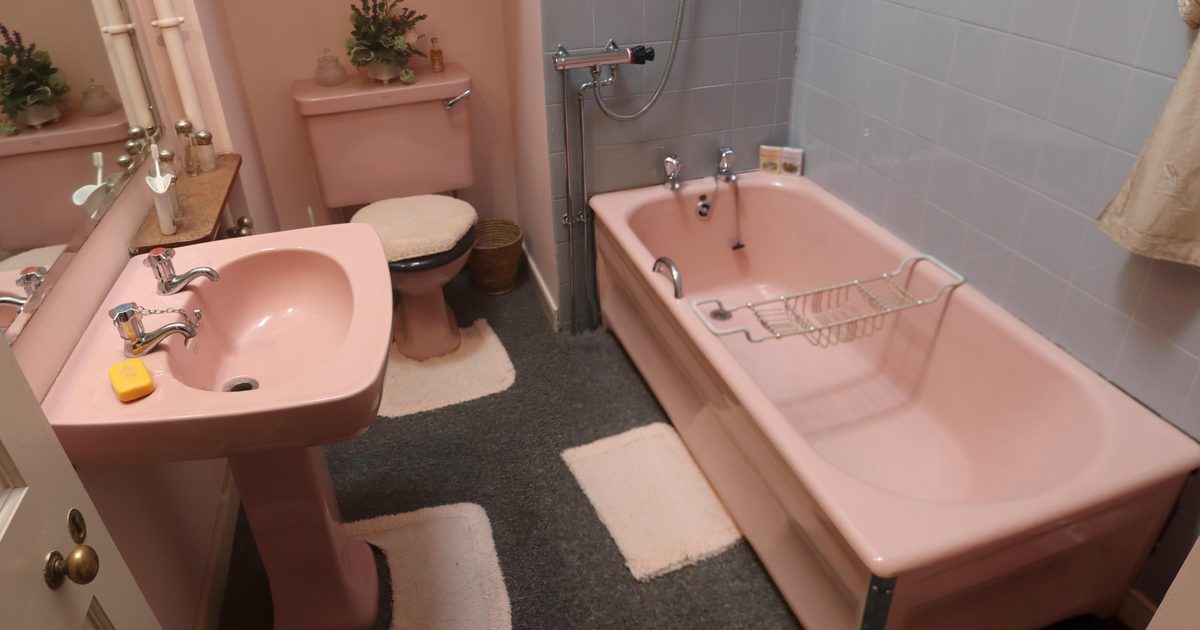
Start by listening to where the water is moving
A running toilet is not one single problem. After a normal flush, the cistern should refill for a short time, the water should settle below the overflow rim, the inlet valve should shut, and the toilet should go quiet. Once that resting point has passed, a steady trickle into the bowl is a fault, a short refill when nobody has flushed is a fault, and a cistern that never reaches silence is a fault. Stand near the toilet after one controlled flush and listen for the pattern. Sydney Water says a leaking toilet can waste as much as 260 litres of water every day. Water Corporation also puts a slow toilet trickle at around 9,000L a year, so the mild version is still measurable water. A cistern refilling again and again means the tank is repeatedly losing water into the pan.
Do the simple colour test before pulling parts apart
Before the colour test, look for a stain or mineral trail down the back of the bowl, then press a dry piece of toilet paper against the back of the bowl above the waterline. If it gets wet before the next flush, water is already passing from the cistern into the pan. For confirmation, put a few drops of food colouring in the cistern water, leave the toilet alone for about half an hour, and do not flush. If colour appears in the bowl, cistern water is reaching the bowl. The next question is the route. If the water level is at or over the top of the overflow tube, look at the fill valve or float setting. If the level sits clearly below the overflow and colour still reaches the bowl, look at the outlet seal, flapper path or flush-valve washer. If no colour appears, the toilet can still be faulty; watch whether the cistern starts refilling when nobody has flushed. If the cistern is concealed behind a panel, in a wall or inside cabinetry, stop at the checks you can do without opening the panel and use the sound pattern as evidence for the plumber.
Check whether the flush button is holding the mechanism down
A stuck flush button is easy to miss because the toilet may look normal from outside. Press the button once and watch whether it springs back cleanly. If the button feels sticky, tilted or slow to return, the mechanism below may be held down just enough to keep water moving. Lift the lid carefully and place it somewhere safe, because ceramic lids crack easily. Look for a button rod, cable or top assembly sitting crooked. Do not force it, and do not pull hard on old plastic. If a gentle release makes the water stop, you have found a useful clue: the fault may be in the button assembly or the way it sits on the cistern lid. If it sticks again at the next normal use, include that exact pattern in the booking note.
Look at the float and fill valve after the cistern refills
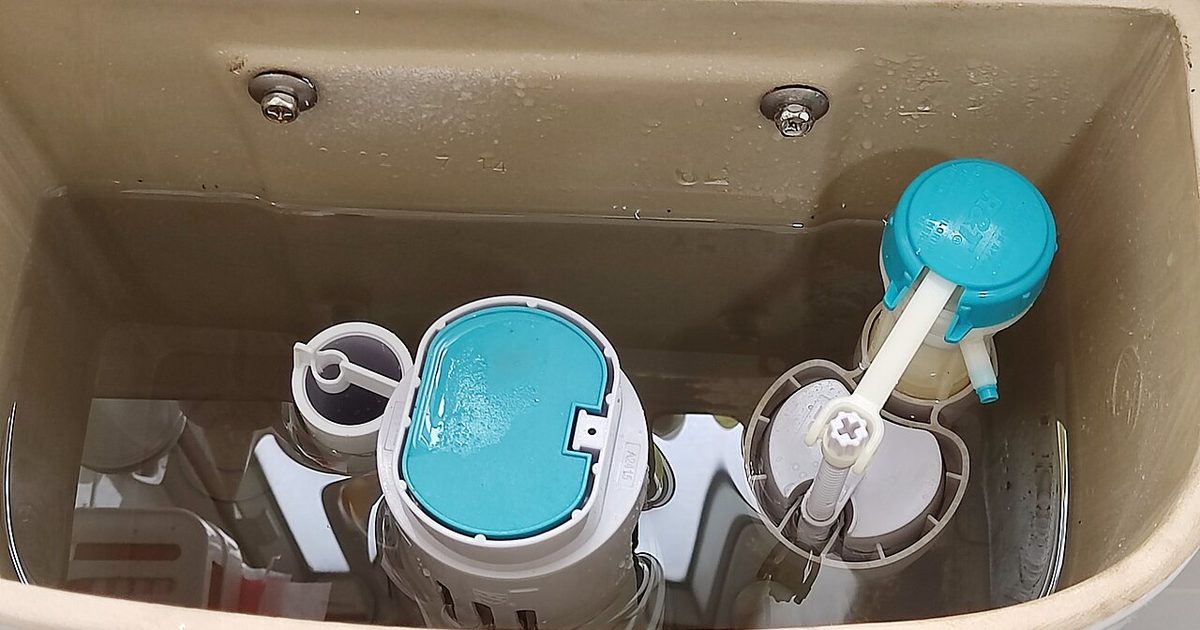
The fill valve controls water entering the cistern after a flush. The float tells that valve when the cistern has reached its working level. With the lid off, compare the settled water level with the open top of the overflow tube. A visible gap below the tube top is the reference point you want. Water at the top of the tube, or spilling into it, points to a fill-valve or float issue. If water keeps running, lift the float or float arm slowly, hold it at the point where the water stops, and lower it again if nothing changes after a few seconds. If the running stops, the level setting or float movement is the suspect. If it keeps running with the float raised, the valve itself is more suspect. Keep this gentle and stop if anything feels stiff. Also look for a small refill tube pushed down inside the overflow pipe; photograph it rather than pulling it, because a tube sitting too low can keep moving water into the bowl.
Check the flapper, outlet seal or flush valve seat
The flapper is the rubber seal that drops back over the outlet; in many Australian cisterns the same job is done by an outlet seal or flush-valve washer. If that seal is warped, gritty, caught on a chain, or not landing flat, clean water can leak into the bowl. Water Corporation notes that a flapper stuck open can allow water in and create a constant trickling sound. With the cistern lid off, watch the outlet area during a flush. Does the seal drop back neatly, or does it wobble, catch, float, or sit with a visible gap? Check whether a chain or arm is trapped under the seal, and whether light sediment is sitting on the seat. One light clean is reasonable: isolate the water if the tap moves freely, flush to lower the cistern water, wipe the seat and seal with a soft cloth, then reopen the tap and run one controlled flush. If the rubber is brittle, swollen, cracked or slimy, it will not seal reliably and the fault will return. That is the point to book the repair and name the outlet seal as the likely part.
Use the isolation tap only as a temporary stop
If the toilet will not stop running and you need quiet, use the small isolation tap beside or below the toilet only as a temporary control. Turn it gently until the water feeding the cistern stops; many mini stop taps close clockwise, but lever and quarter-turn taps vary, so go by the water, not the direction. Stop the moment it resists. The isolation tap stops new water entering the cistern, which may reduce water loss and noise while you decide what to do next. It also means the toilet may not flush again until the tap is reopened, so warn the household. If there is no isolation tap, or if the tap drips, will not move, or feels loose, do not improvise on the fitting. A running cistern normally sends water through the pan, so the usual problem is wasted water and noise; water at the base of the pan or on the floor is a different stop-and-call signal. The property main tap stops water to the whole home, including every other tap and the hot water service, so warn the household first, turn it only if it moves freely, reopen it as soon as possible, and leave it alone if it is stiff, loose or weeping.
Do not keep flushing to see if it fixes itself
Repeated flushing is not a repair. It can hide the pattern because every new flush resets the parts you are trying to observe. Use one controlled flush-and-observe cycle first. If the fault only appears on some flushes, watch several normal-use flush cycles in sequence and note which ones trigger the sound. That is different from flushing again and again hoping the cistern resets. Avoid pouring chemical cleaner into the cistern. It can damage rubber parts and does not fix a mechanical seal that is sitting badly. If the fault happens every flush, the likely repair is different from a fault that appears only after the toilet sits unused for a while. Write that timing down; it changes what the plumber checks first.
Know when a small part becomes a plumber job
A homeowner can observe, clean light grime, try a colour test, and isolate the water temporarily if the tap moves freely. The job moves beyond a simple check when the cistern parts are brittle, the isolation tap leaks, the toilet keeps running after a seal is cleaned, or the water level will not settle below the overflow. It also becomes more than a quick fix when the toilet is built into cabinetry, the cistern is concealed in a wall, or several fixtures are behaving oddly. When you hire someone, ask for their licence details and a written quote before work starts. The plumber you book can check the fill valve, outlet seal, button mechanism and isolation tap, then separate simple part replacement from a broader toilet repair.
What changes the quote for a running toilet repair
The quote can change when access, part identification and the fault pattern change. You can help before the visit by clearing the space around the toilet and the isolation tap, taking a photo of any model label or part number, and saying whether the cistern is visible or concealed. A close-coupled toilet with a common inlet or outlet part is simpler to assess than a wall-hung pan, a hidden cistern, or an old button assembly. The quote may also change if the isolation tap needs attention, the cistern bolts are corroded, or the plumber needs to return with a specific part. If another fixture is behaving oddly, mention it before the visit rather than adding it at the door. Ask what the written quote allows for: diagnosis, parts, labour, testing after the repair, and any return visit.
What to send before booking the visit
Before you book, send a short symptom note and three clear photos. The note should say when the running starts, whether it is constant or intermittent, whether colour appeared in the bowl during the test, where the settled water level sits against the overflow tube, and whether the isolation tap works. The photos should show the whole toilet, the open cistern, and the water connection near the floor or wall. If the toilet has a brand label, model sticker or visible part number, include that too. This helps the plumber prepare and may reduce guesswork on arrival. Do not remove the toilet, dismantle the cistern, or throw away parts before the visit. If PlumbnShine is preparing the quote, the more useful detail you send, the easier it is to separate a likely cistern repair from a broader bathroom plumbing problem quickly.
How to decide whether to wait or call now
Use the stop-and-call triggers rather than repeating the same flush test all day. Ask for a written quote if water appears around the base of the toilet or on the floor, if the cistern refills when nobody has flushed, if the same trickle returns after one light seal clean, if the isolation fitting cannot be closed cleanly, or if the cistern is concealed and you cannot see what is happening inside it. Keep watching only when the toilet refills, settles below the overflow, goes silent, and then behaves normally at the next usual use. If the same fault returns, the useful question is no longer whether the toilet is running; it is which part, access point or quote item the plumber needs to allow for.
Common questions
Why does my toilet keep running after I flush?
The usual pattern is that water is either still entering the cistern or leaking from the cistern into the bowl. The cause may be a sticky flush button, float issue, fill valve fault, flapper, outlet seal, or grit on the valve seat. Watch one full refill cycle before changing anything.
Can I stop a running toilet overnight?
Use the isolation tap only as a temporary step. Turn it gently until the water feeding the cistern stops; many mini stop taps close clockwise, but lever and quarter-turn taps vary. Do not force a stiff tap. If there is no tap, or if it leaks, feels loose, or will not move, leave it and ask a plumber for help. If you use the property main tap, warn the household because it stops water to the whole home.
Should I replace the fill valve or the flapper first?
Do not guess from the part name alone. If the level is at or above the overflow tube, the fill valve or float area may be involved. If the level is clearly below the tube and coloured water still moves into the bowl without flushing, the outlet seal or flapper path is more likely. A plumber can confirm before parts are replaced.
What should I ask for in a toilet repair quote?
Ask for a written quote that names the likely fault, the part being replaced, whether access is straightforward, and whether testing after the repair is included. If the toilet is concealed, old, or hard to access, ask whether the quote allows for extra time or a return visit with a specific part.
Need a licensed plumber in Sydney?
Tell us what's going on and a local plumber will get back to you fast.
Get my free quoteGet a free quote
Tell us what you need and a local, licensed plumber in Sydney will call you back. No obligation.
- Local, licensed plumbers
- Fast response — incl. emergencies
- Free quote, you choose who to hire