Common Toilet Problems and How to Fix Them
A running toilet, a weak flush, water where it should not be: toilet faults come from a short list of parts. Before you lift the lid on any of them, isolate the water. Look for a screwdriver-style stop valve on the wall behind the toilet and turn it clockwise until it stops, or turn off the mains at the meter if there is none. Flush once to empty the cistern, put an old towel under the base, and work on a drained tank. Every check below assumes the water is off. Here is what each symptom usually means, what you can safely look at yourself, and the point where the job belongs to a licensed plumber.
A toilet that runs or hisses all night
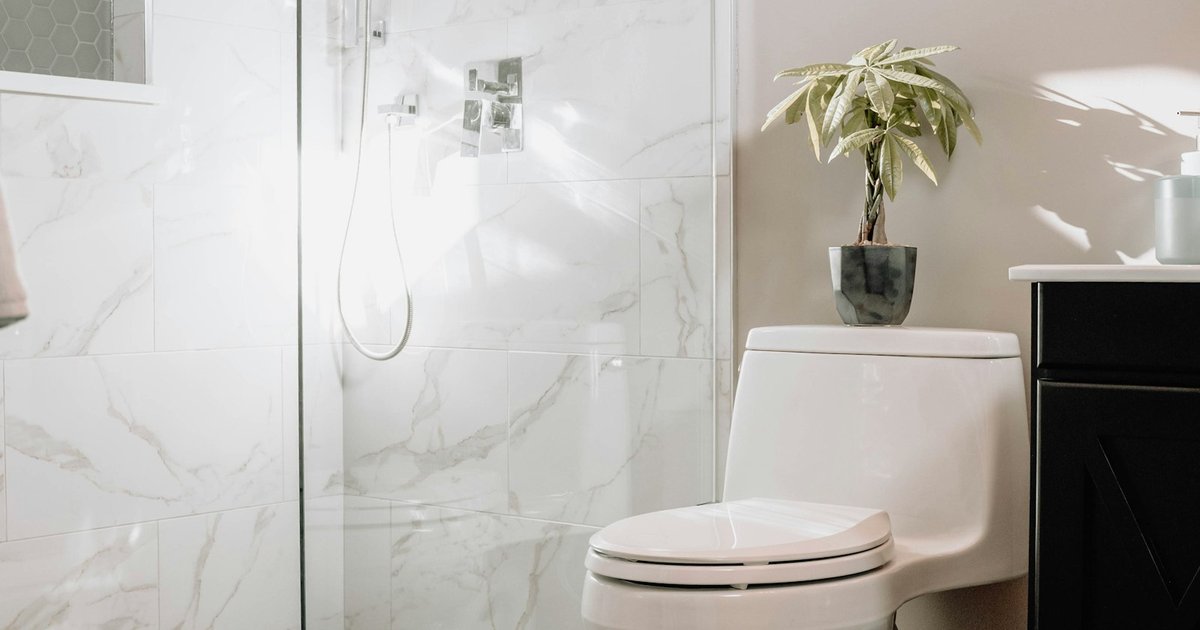
A hiss between flushes, a trickle you can hear at midnight, or a cistern that never quite goes quiet usually means the flapper or the fill valve. The flapper is the rubber seal that drops back onto the outlet at the bottom of the cistern. Once it hardens, warps or catches on the chain, it stops sealing and water leaks from the tank into the bowl continuously. A fill or inlet valve does the same when its washer ages or the float sits too high, so water spills into the overflow tube. Both are common, cheap parts. With the water off, lift the lid and look: a flapper that is warped, mineral-stained or sitting crooked is a strong candidate, and water running into the overflow points at the float setting. Replacing the flapper or adjusting the fill valve is an easy fix that saves a lot of water. The waste is constant rather than occasional: the tank keeps draining into the bowl and refilling all day, so the cost climbs while nobody is in the room. If it still runs after a new flapper and a float adjustment, the cause may be further back in the supply, which is worth a professional check.
A weak or lazy flush
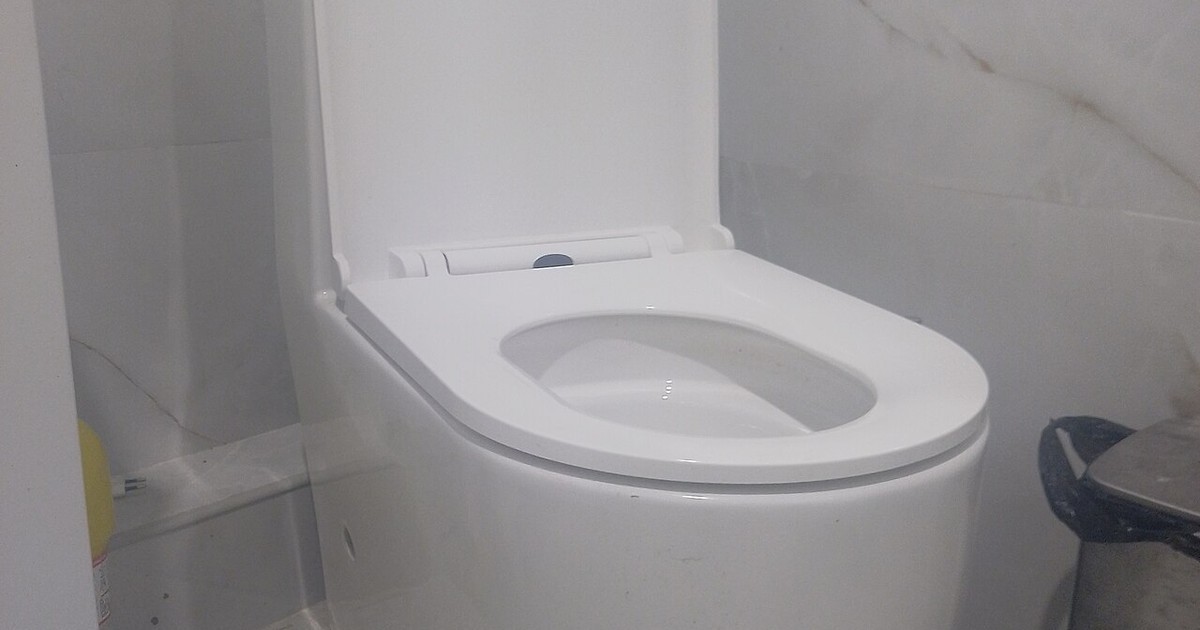
If the flush dribbles rather than whooshes, start with the water level in the tank. A cistern that fills only partway has less water to push through the bowl, so the flush looks lazy even when nothing is fully blocked. With the water off, check where the float stops and compare it with the marked water line moulded inside the tank. A partial blockage is the other common cause, and it can sit in the trapway without stopping the toilet completely. The rim holes under the bowl rim are a third suspect: when they are crusted with scale, most of the water misses the bowl and the flush loses its force. Cleaning them with a small brush and a mild descaler, water off, often restores a strong flush, and adjusting the fill height can too. If the flush stays weak after all three checks, the fault is probably upstream in the supply or downstream in the drain, and that calls for a licensed plumber rather than another cistern part.
The cistern fills but the toilet will not flush
When the tank refills properly and nothing happens at the handle or button, the fault sits in the flush mechanism rather than the water supply. With the water off and the lid off, press the handle and watch what moves. The chain or linkage that lifts the flapper may be disconnected, too long, or too slack to pull the seal clear of the outlet. A worn flush mechanism, a stiff lever or a broken arm all leave the cistern full and the bowl untouched. Hook the chain back on and take up the slack a link at a time, which costs nothing and revives a lot of dead flushes. If the mechanism is cracked or the seal has perished, the cistern has to come apart for the flush valve to be replaced, and that is licensed plumbing work. Do not keep forcing a handle that feels jammed, because the arm or the lever inside can snap and leave you with a tank you cannot empty at all.
A handle that sticks or has to be held down
A handle you have to hold until the bowl clears, or one that stays down after you let go, usually means the flush mechanism is wearing out. The handle arm, the lever inside the cistern and the chain rub against each other, and slack builds up over time. Hold the handle down and watch: if the flush only completes while your hand is there, the flapper is lifting partway and dropping back too early. With the water off, shorten the chain by a link or two and check that the arm swings freely without binding on the lid or the cistern wall. A sticking handle is often scale on the spindle rather than a broken part, and it can be cleaned. If the handle returns properly and the flush still stops early, the flapper or its seating is the likely culprit and the cistern needs work. A handle that has gone soft, snapped, or will not move under hand pressure is the point to stop and call someone.
The clog that will not clear
For a blocked toilet, a flange plunger is the first move. The flange is the extra rubber cup that folds out to seal the outlet, which gives the plunger something to push against instead of splashing. Seat it firmly and work it with short, steady strokes rather than violent ones, and keep the bowl half full of water so the pressure has somewhere to go. If it will not clear, do not keep flushing and do not keep forcing it, because repeated flushing adds water to a blocked drain and can push waste onto the floor. A plumber with a snake or an auger can clear the blockage without damaging the bowl, and can see whether the problem sits in the toilet itself or further along the drain. Chemical drain cleaners are worth avoiding on a toilet, since the chemicals sit against the pan and the seal while they work. If every flush in the house is slow or gurgling, the blockage is in the main line, not the bowl.
Water pooling at the base of the pan
Water around the foot of the toilet is the symptom to take seriously. Very often it means the pan seal, the wax ring that joins the pan to the drain, has failed, so water escapes where the toilet meets the floor instead of travelling down the drain. It can also mean a crack in the pan or bowl. Either way the water is not clean, and it soaks into grout, tiles and the subfloor, where the damage stays invisible until boards soften or the ceiling below stains. Turn off the water, stop using the toilet, mop up what you can, and ring a plumber rather than letting it sit. Do not run silicone around the base to hide it, because the leak continues underneath and the repair only grows. This is not a weekend job: a failed seal means the toilet comes up, the old seal is removed and the pan is reseated on a new one. If the pan seal has gone, an independent plumber can reseat the pan and check the drain connection while it is open. A crack means replacement rather than repair.
A cistern that wobbles or leaks
A cistern that shifts when you touch it, or drips down the back of the pan, is usually loose or perished where it meets the pan or the wall. The cistern sits on bolts or a bracket, and the seals and washers at the outlet and the inlet connection harden with age. A small drip at the inlet often runs down the pipe and pools at the base of the pan, which makes the leak look like it is coming from somewhere else. With the water off, dry the area and hunt for the highest wet point rather than the lowest, because water only travels downhill. Tightening a loose cistern bolt is within reach on a close-coupled suite with accessible fixings. Replacing the seals, the inlet washer or the cistern-to-pan gasket is a different matter, because the cistern comes off the pan and the supply is disconnected, which is licensed plumbing work. Where the source is not obvious, leak detection with the right gear beats opening a wall to look. A cracked cistern gets worse with tightening.
A toilet that rocks when you sit on it
Movement underfoot is a warning, not a quirk. A toilet that rocks is usually loose on its floor fixings, or the floor beneath it has softened. The pan is held down by bolts through the base, and those bolts work loose, rust through, or pull out of timber that has been wet. Rocking also works against the pan seal, so a toilet that has been shifting for a while often starts leaking at the base soon after. With the water off and the area dry, press gently and work out whether the movement is at the pan, at the cistern, or in the floor itself, then look for cracked tiles or a soft patch around the base. Do not simply lean on the bolts until they feel tight, because overtightening cracks pans and turns a small repair into a replacement. If the floor has moved or the bolts will not hold, the pan comes up, the floor gets checked and the seal is renewed, which is a licensed plumber's job.
Sewer smell in the bathroom
A drain smell in a bathroom is worth chasing, because the causes are few and none of them fix themselves. A dry floor waste is the simplest: the trap in the floor drain relies on a water seal, and in a bathroom that is rarely hosed out the seal can evaporate, letting sewer gas rise. Pour a jug of water down the floor waste and see whether the smell comes back. A perished pan seal lets gas up from the toilet in the same way. A blocked drain or a blocked vent pipe is the third candidate, and that is the one needing a machine and an experienced hand. If more than one fixture in the house drains slowly or gurgles, or the smell is stronger near another room, treat it as a drain problem rather than a bathroom problem. Persistent sewer gas deserves a licensed plumber who can trace the cause instead of masking the smell.
When it is a licensed plumber's job
Some toilet work in Australia is notifiable, and all of it has to be done by a licensed plumber. Replacing a toilet, changing the pan, working on the seals between the pan and the drain, and any connection to the water supply sit in that category, and unlicensed work can cause problems with insurance and with a future sale. Simple cistern fittings such as a flapper or a float valve are commonly swapped by homeowners, but if the job involves the supply, the pan, a seal or the drain, book a plumber. Expect the price to move with the diagnosis: a callout and travel, the time on site, the parts, whether the toilet has to come up, whether the drain needs a machine, and whether the booking is after hours. Ask for a written quote so the figure is clear before work starts. A clear diagnosis turns a repeating fault into a one-visit toilet repair.
Common questions
Why does my toilet keep running?
Usually the flapper no longer seals, so water leaks from the cistern into the bowl and the tank refills again and again. A fill valve or a float set too high does the same. Turn the water off and check the flapper for warping or mineral staining. If it still runs, ask a plumber.
How do I know if my toilet is leaking?
Listen for a hiss between flushes, then add a few drops of food colouring to the cistern. If colour appears in the bowl without flushing, water is passing through. Dry the outside of the pan and the cistern and watch for a fresh drip. Water at the base or a moving cistern needs a plumber.
Can I clear a blocked toilet myself?
A flange plunger clears many blockages if you seat it properly and use short, steady strokes with the bowl half full. If it will not budge, call a plumber rather than flushing again or forcing it, because a snake or auger clears the line without damaging the bowl and shows where the blockage sits.
Is leaving a running toilet expensive?
The waste is water rather than parts. A running cistern refills all day and all night while the tank keeps draining into the bowl, so the meter keeps turning whether anyone is home or not, and the fault never improves on its own. The repair is usually a cheap part.
Need a licensed plumber in Sydney?
Tell us what's going on and a local plumber will get back to you fast.
Get my free quoteGet a free quote
Tell us what you need and a local, licensed plumber in Sydney will call you back. No obligation.
- Local, licensed plumbers
- Fast response — incl. emergencies
- Free quote, you choose who to hire