Tankless vs Tank Water Heater: Which Is Right for You?
Tankless and storage systems both make hot water, but they suit different homes and budgets. This comparison weights what matters most: purchase and install cost, running cost, lifespan and space. Along the way it covers how each system actually works, how sizing is decided for a household that runs two showers, what installation really involves, and the questions worth asking before you sign anything. Neither option wins everywhere, and the honest answer depends on your household rather than on what a salesperson stocks.
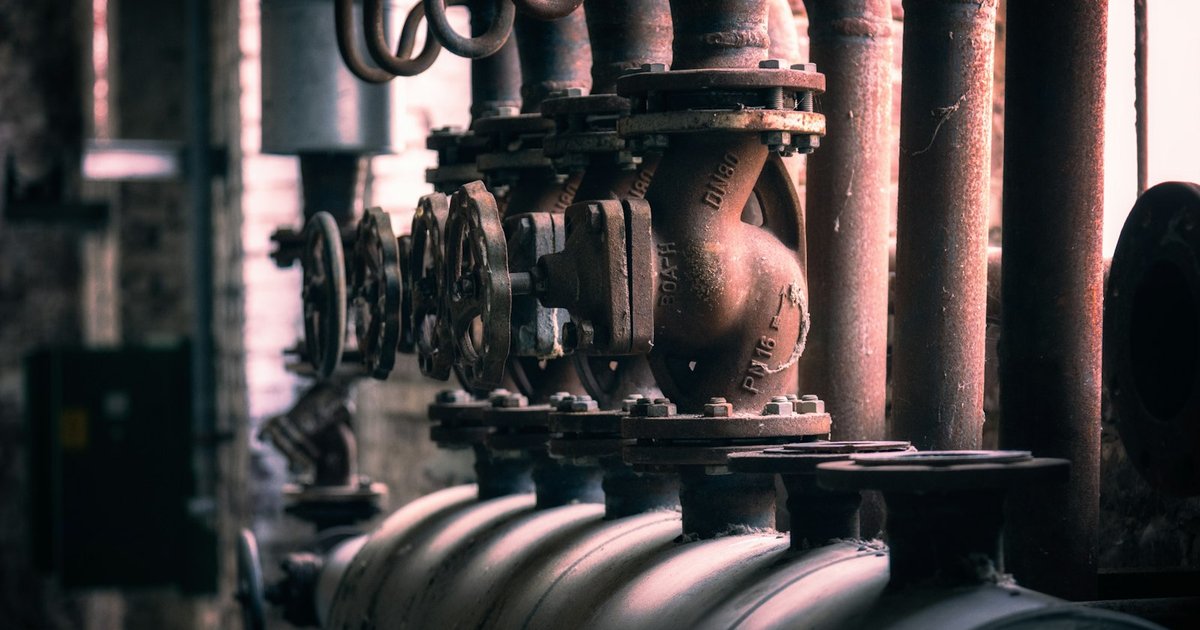
How storage and continuous-flow heaters work
A storage heater is a tank with a heating element or a gas burner underneath. It keeps a full body of water hot and ready, so hot water is available the moment you turn a tap, and it reheats as you draw water out. Storage is cheaper to buy and simple to replace, but it loses some heat over time through the tank walls and pipework, and it runs out under heavy demand. A continuous-flow unit, also called tankless or instantaneous, holds no stored water at all. It heats water as it passes through a heat exchanger, so hot water arrives only while a tap or shower is running. That design is pricier up front and often needs a larger gas or electrical supply, but it never runs out the way a tank does, and it is generally more energy-efficient over time because there is no standing heat loss. Both give you a hot shower. The practical difference shows up on a cold morning when three people want hot water at once. Neither design is complicated, but the choice gets easier once you know whether you value stored volume or endless flow at a set rate.
Heat pumps and solar hot water
Two more options sit alongside those, and both are worth understanding before you choose. A heat pump is an electric system that does not make heat directly. It moves warmth from the surrounding air into the tank, the way a refrigerator moves heat out of its cabinet, which makes it far more efficient than a plain electric element. It costs more to install than a standard tank and needs airflow around the unit. A solar hot water system uses rooftop collectors to heat water directly on sunny days, with an electric or gas booster for cloudy weather and heavy demand. It needs suitable roof space and orientation, and its installation is more involved than a straight tank swap. Both change the running cost picture, because both let you heat water differently from a standard electric tank. If you already have rooftop solar panels, a heat pump can be timed to run while your panels are generating, which is often where the deepest savings sit. Sizing, siting and controls decide more about the outcome than the brochure does. Get the controls right on either option and the gap between one household's running cost and the next can be wider than the gap between the systems themselves.
How sizing works for a household running two showers
Sizing a storage tank is about volume and recovery. A family of four typically wants a 170L or larger storage unit, and that figure assumes the tank can reheat between busy periods. If two showers run back to back, the second person is drawing on what the first left behind plus whatever the element or burner has recovered in the meantime. A tank that is too small for the household works harder, recovers more often, and runs out at exactly the wrong moment. Sizing a continuous-flow unit is different. It is sized by flow rate, not storage volume, because there is no body of water to draw down. What matters is how much water can pass through the heat exchanger per minute at a useful temperature, and whether that keeps up when a shower, a dishwasher and a laundry tap all run at once. Household size, the number of bathrooms, how many people shower in the same window, and the temperature of the incoming water all feed into it. An independent plumber can size the unit to your household rather than a generic average.
Recovery time, waiting time and peak demand
Two different waits get confused, so it is worth separating them. Recovery is how long a storage tank takes to bring its contents back to temperature after you have used the hot water. It depends on the size of the tank, the power of the element or burner, and the temperature of the cold water coming in. A tank that recovers slowly will feel small even if its litre rating looks generous. Waiting time is how long you stand at the tap before hot water arrives. That is mostly about distance: the further the outlet sits from the heater, and the more cold water is stranded in the pipe between them, the longer the wait. Continuous-flow units can add a short ignition delay as they fire, and a long pipe run still has to be cleared. Peak demand is where the two designs separate. A storage tank serves several outlets from its stored volume until that volume runs down. A continuous-flow unit serves them live, so its limit is flow rate and supply rather than tank size. Ask what recovery time the unit is rated at, and how far the furthest outlet sits from where the heater will go, before you compare two models on price alone.
Space, ventilation and noise
Where a system goes often decides how straightforward the job is. A storage tank is heavy once full, so it needs a solid base and enough access for delivery now and removal later. It also takes up floor or wall space, which is why a house tight on space often looks at continuous-flow instead. A continuous-flow unit is compact and frees up wall or floor space, and it is usually mounted on an external wall close to the outlets it serves. Ventilation matters for anything that burns gas. Gas storage and continuous-flow units normally sit outside, with clearances from windows, doors and openings so flue gases do not draw back inside. Heat pumps have requirements of their own, because they need air moving around the unit, and a cramped cupboard or a walled-in corner hurts performance and running cost. Heat pumps are also not silent, since the fan and compressor run while the unit works, and most noise complaints come from siting rather than the machine. Gas tanks are quieter, and continuous-flow units quieter again. If solar is on the table, the collectors need unshaded roof space with reasonable orientation, and that constraint can rule the option out long before cost enters the conversation.
Installation differences: gas line, circuit, flue and condensate
This is where the two options diverge most, and it is the part a quote should explain rather than assume. A storage swap is often the simplest job when the pipework, valves and relief drain are already in the right place. Continuous-flow units more often need a larger gas line or electrical circuit, and sometimes upgraded venting, which is a big part of why installation is more involved. Gas work must be done by a qualified gas fitter and comply with local requirements, including flueing and clearances. Heat pumps add their own needs: a larger electrical circuit, adequate airflow around the unit, and a condensate drain to carry away the water they pull from the air, which has to go somewhere compliant rather than onto a path. Solar systems need collectors mounted, oriented and connected to the tank. Any of these can mean new pipe sizes, a new position, or making good to a wall, roof or path. If the unit moves, the job grows with it.
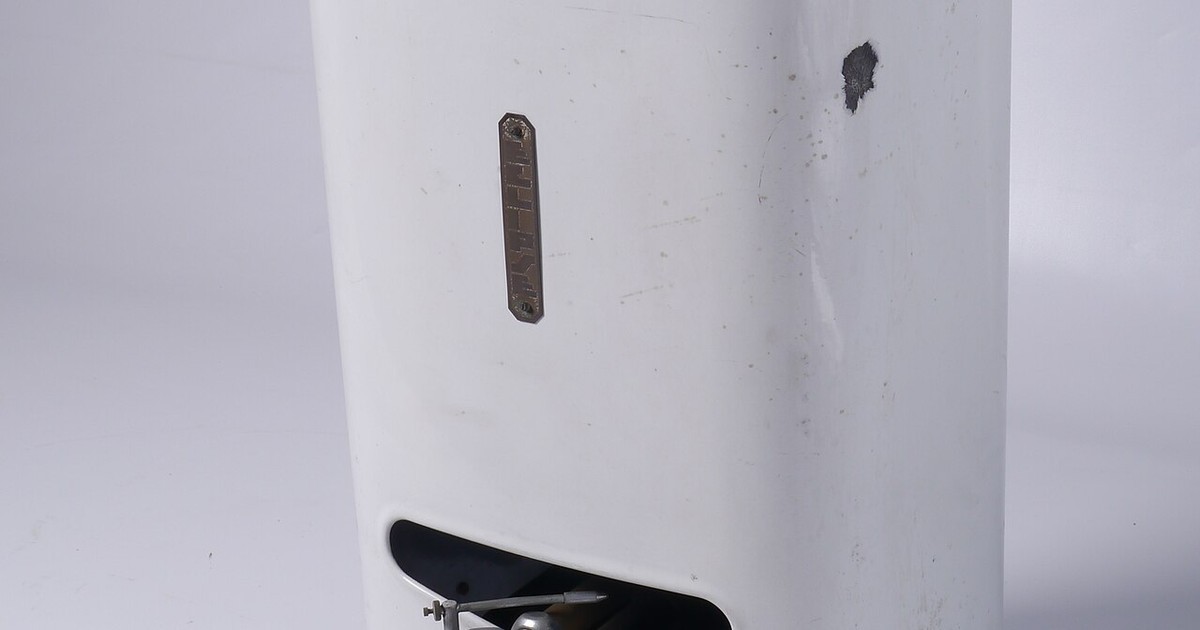
Lifespan, servicing and what changes at replacement time
The two designs age differently. A storage tank is a pressure vessel sitting full of water. Its typical lifespan is 8 to 12 years, and it lasts longer when the water is kind to it and the relief valve is maintained. A continuous-flow unit carries no standing water, but it has a heat exchanger that can scale up and electronics that can fail, and it is generally more energy-efficient over time. Its typical lifespan is 15 to 20 years. Manufacturer warranties vary by brand and model, so read what is covered and for how long: some cover the tank only, some cover parts but not labour, and most assume the unit was installed by a licensed plumber and serviced as specified. At replacement time, note that a like-for-like change is the cheap path, because the pipework and drain already suit the old unit. Changing type or size usually means new pipe sizes, a new position, and sometimes new supply, flueing or electrical work. Ask about removal and disposal of the old system before you compare prices, because that cost belongs in the comparison. Servicing is straightforward on either type, and an annual check of the relief valve and pipework catches most problems while they are still cheap to fix.
Where each option genuinely wins
For a smaller household that wants the lowest up-front cost, a storage tank is a sensible pick. It is cheaper to buy, simple to replace, and the running cost penalty stays modest when hot water use is light and predictable. For a busy household, a house tight on space, or a long-term owner, a continuous-flow unit usually pays off over its life, because it is more energy-efficient over time and lasts longer, even though it costs more to install. That is not a recommendation to trade up. The honest position is that a storage tank can be the better system for a quiet two-person home, and a continuous-flow unit can be a poor fit for a rental where the owner will not recoup the installation cost. Two things often decide it: your energy tariff, and whether gas is available at your address. A household moving to a heat pump on a cheaper controlled load, or with rooftop solar, may beat both on running cost. Look at your own use before you look at the price tag. A storage tank matched to a household's peak will beat a continuous-flow unit that is oversized for its needs, and the reverse holds just as true.
Questions to ask before you sign a written quote
Make the call with facts. List your household size, how much hot water you use at peak, including showers, the dishwasher and the laundry, your fuel type, and how long you plan to stay. Then ask for a written quote for both options, so the difference between the two installations is clear rather than guessed. An independent plumber can walk you through it. Before you sign, work through the details. Which model and size is being supplied, and where will it sit? Does the quote include removal and disposal of the old unit, valves, the relief drain, and any pipe repair or new pipework? Is the gas line or electrical circuit sufficient, and is venting or a condensate drain in the scope? Who lodges the compliance certificate, and what does the warranty cover, parts only or labour as well? Who returns for servicing? If a drain is running slowly or a toilet repair is overdue, ask for it to be looked at in the same visit, because a second call-out costs more. If a pressure drop hints at a hidden leak, ask for leak detection while the plumber is on site.
Common questions
Which is cheaper to run?
A continuous-flow unit is generally more energy-efficient and cheaper to run, because it does not keep heating stored water. The catch sits up front: the unit costs more and the installation usually costs more. Exact running costs depend on your tariff, gas availability, household size and how much hot water you use at peak.
Does tankless need special plumbing?
Often yes. Many continuous-flow units need a larger gas line or electrical circuit, and sometimes upgraded venting when the existing flue does not suit. That is a big part of why the installation is more involved. Get a written quote that states exactly what supply and venting work is included.
How big a tank do I need?
It depends on the household. A family of four typically wants a 170L or larger storage unit, and a continuous-flow unit is sized by flow rate rather than storage volume, so the two are not compared in litres at all. Tell the plumber how many people shower and when.
Is a tank or tankless better for a small household?
For a small household that wants the lowest up-front cost, a storage tank is usually the sensible pick, and it stays simple to replace. A continuous-flow unit costs more to install but frees up space and lasts longer. The honest answer depends on your tariff, gas availability and how long you will stay.
Need a licensed plumber in Sydney?
Tell us what's going on and a local plumber will get back to you fast.
Get my free quoteGet a free quote
Tell us what you need and a local, licensed plumber in Sydney will call you back. No obligation.
- Local, licensed plumbers
- Fast response — incl. emergencies
- Free quote, you choose who to hire