Stormwater Drain Cost in Sydney 2026: What Affects the Quote
A stormwater problem usually shows itself on the wettest day of the year. Water spills from gutters, pools near the slab, bubbles from a grate or runs across the driveway instead of leaving the property. This guide explains how a licensed plumber works through the fault, why quotes vary, and what to ask before any digging, jetting or pipe replacement starts.
Start with the symptom, not the tool
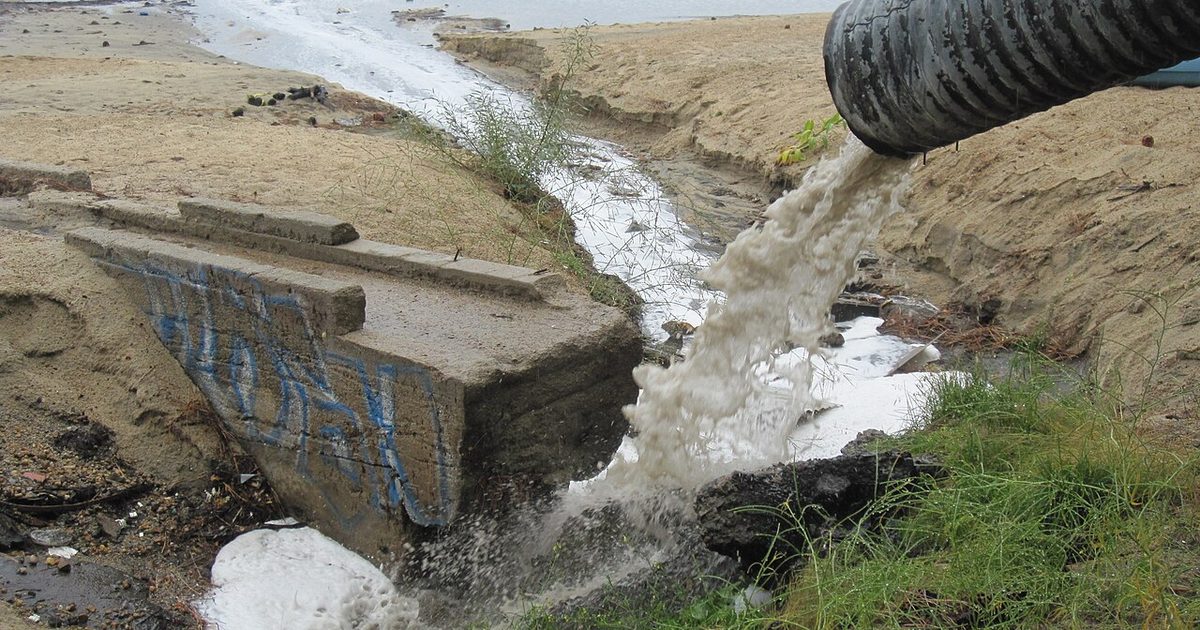
Stormwater drain cost in Sydney depends on the cause, access and risk, not on a single menu price. A surface puddle beside a path is different from a cracked line under a concrete driveway. An overflowing downpipe after heavy rain is different from a blocked pit full of roots and silt. Before asking for a fixed repair price, describe what happens, where the water appears, and whether it only happens during storms or keeps seeping after rain stops. A good plumber will use that symptom list to decide whether the first step is clearing, camera inspection, pit cleaning, downpipe testing or excavation. If a quote jumps straight to replacement without checking the line, slow the job down. Paying for diagnosis can feel annoying, but it is cheaper than replacing a pipe that was blocked by leaves, crushed by a tree root, or overloaded by a poorly connected roof system.
What plumbers check during the first visit
The first visit should map the system. The plumber looks at downpipes, surface grates, stormwater pits, driveway drains, outlet points, roof area and any low spots around the house. They may run water through a downpipe, lift pit lids, check whether debris is sitting above the outlet, and listen for gurgling that suggests a partial blockage. On sloping Sydney blocks, the outlet could be near the kerb, a lawful discharge point, a charged line, or an older connection that is hard to trace. A licensed PlumbnShine plumber can also check whether the visible drainage matches the age and layout of the home. The quote should separate investigation from repair, especially if the pipe route is unknown. Ask what the plumber has confirmed, what is still assumed, and what would change if the camera finds a break, root mass or collapsed section.
Blocked pits and downpipes are often the cheaper end
The simplest jobs are usually blockages close to the surface. Leaves, roof grit, mud, mulch, tennis balls and small stones can collect in a pit or at the base of a downpipe. If the pit is accessible and the line beyond it is sound, the repair may be limited to cleaning, flushing and checking the fall. That does not mean every quick clearance is a complete fix. If the same pit blocks every few months, there may be a pipe belly, a low outlet, root entry, poor fall or too much roof area feeding a small line. Ask the plumber to show you what came out and explain why it collected there. If the answer is only leaves, a gutter clean and grate check may help. If the answer is silt, roots or gravel, the pipe may need a camera inspection before you spend more on repeat stormwater drain cleaning.
Gutters and downpipes change the stormwater quote
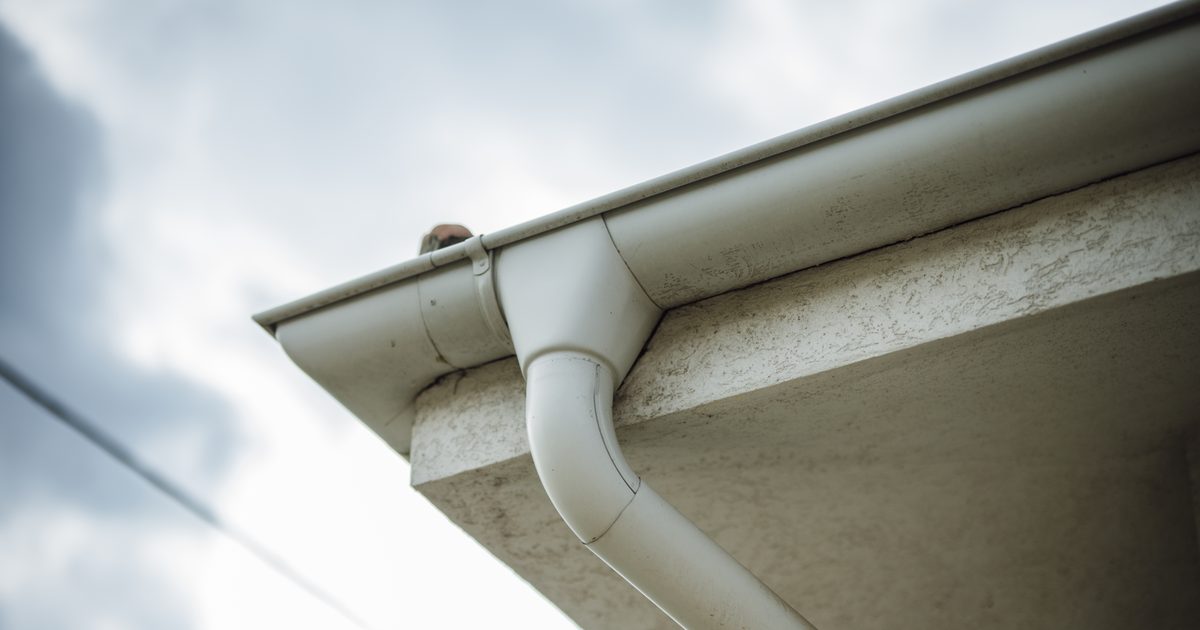
A drainage quote can change once the roof system is checked. If gutters overflow because they are full, sagging or feeding undersized downpipes, a stormwater drain may be blamed for a roof water problem. The same goes for a downpipe that is disconnected at ground level, crushed near the shoe, or emptying into a garden bed instead of a legal stormwater line. Sydney homes with extensions often have mixed systems: old clay or earthenware sections, newer PVC, extra roof area and a driveway drain added later. The plumber needs to know where each downpipe goes before quoting pipe work. If a roof plumber or gutter trade is also needed, get that written clearly so the stormwater scope does not pretend to solve the whole water path.
Jetting, camera inspection and locating each do a different job
High pressure water jetting clears many blockages, but it does not tell the full story by itself. A camera inspection shows pipe condition, root entry, broken joints, silt build-up, displaced sections and standing water. A locator helps mark the pipe route and depth so digging is targeted. These tools often work together. For example, the plumber may jet the line first so the camera can pass through, then locate the damaged section before quoting excavation. If the quote includes camera work, ask whether you will receive images or notes, where the fault sits, and whether the plumber can show you the depth and surface above it. That record matters if the next step is cutting concrete, digging beside landscaping or deciding whether repair is cheaper than replacement.
Access is the cost driver homeowners forget
Two homes can have the same fault and very different quotes because access is different. A broken section in an open garden bed is not the same job as a broken section under a tiled path, a concrete driveway or a retaining wall. Depth matters too. Shallow stormwater pipes are easier to expose, while deeper lines may need more labour, shoring, careful digging around services, or a second trade to reinstate the surface. Tight side passages, steep blocks, limited parking, shared driveways and strata rules can also affect how the work is staged. When you compare quotes, compare the reinstatement details as well as the plumbing line. Does the price include backfill, compaction, concrete cutting, disposal, patching and cleanup, or only the pipe repair? A cheap quote can become expensive if every finish is excluded.
Pipe material and age affect the repair choice
Older Sydney homes may have clay, earthenware or ageing PVC in parts of the stormwater system. Clay can crack, move at joints and admit roots. PVC can sag if it was laid poorly, crushed by later work, or damaged by ground movement. Metal grates and pits can rust or break down, while old brick pits can collect silt and leak. A small break in an otherwise sound line may be repairable. A line with several faults, poor fall and repeat root entry may be better replaced in sections. The plumber should explain the trade-off: short repair with a risk of future faults, or a larger replacement that costs more now but removes the weak run. For a lead-gen quote, that discussion is often more useful than hunting for a generic stormwater drain cost.
When excavation is worth pricing carefully
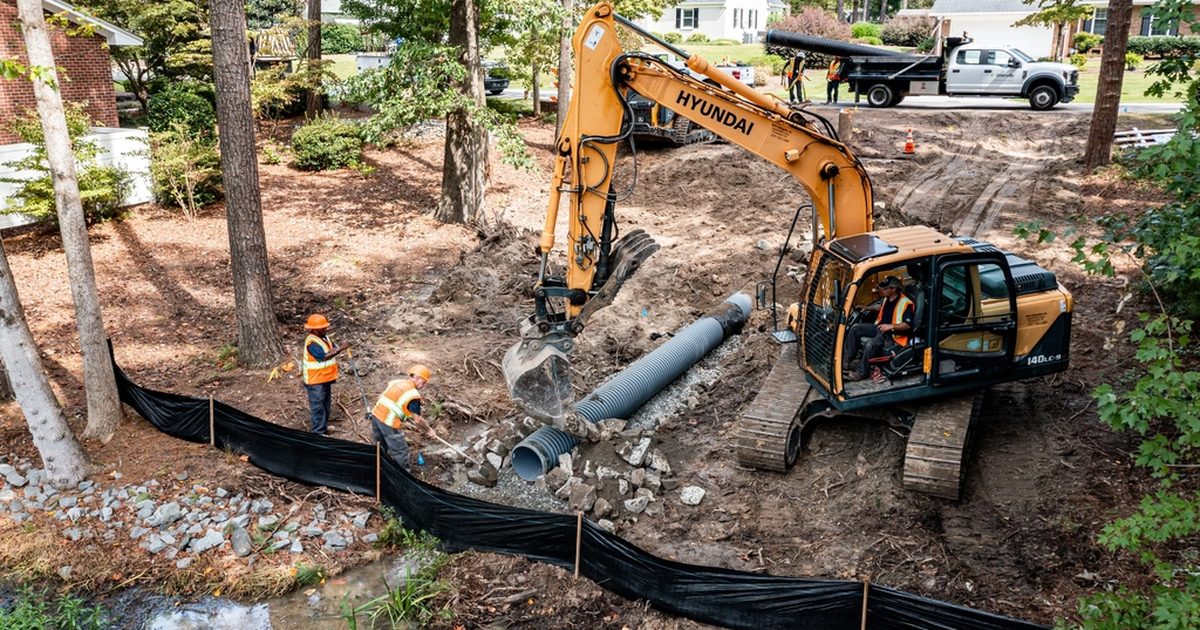
Excavation should be quoted with care because it is where plumbing, site access and surface repair meet. A clear quote should state the section being exposed, the likely pipe material, the new pipe size or type where known, how the connection will be made, what surfaces will be disturbed, and what reinstatement is included. If concrete cutting is needed, ask whether dust control and removal are included. If the pipe runs near trees, ask whether roots will be cut and whether the line will be protected from future entry. If the fault is near the boundary or street, ask whether council or utility rules may affect the job. PlumbnShine can give a written quote after inspection so you know whether you are approving a small dig, a staged repair or a larger stormwater drainage repair.
Stormwater pipe work can look messy before it gets better
Stormwater repair is not always neat while it is underway. Trenches, exposed pipe, wet soil and temporary water diversion may be part of the job. Good planning reduces the mess. The plumber should protect usable paths, keep open pits safe, stop water entering the house during the work, and explain how the site will be left at the end of each day. If rain is forecast, the order of work matters. It may be safer to clear the line and create a temporary flow path before opening a large trench. For families, tenants or shared properties, ask how long water needs to be redirected, whether driveway access will be blocked, and what happens if the camera reveals extra faults after the first section is exposed.
How to compare Sydney stormwater quotes
Compare quotes by scope, not just the bottom line. A useful quote says what has been diagnosed, what remains uncertain, what equipment is included, what repair is proposed, what surfaces are affected, what cleanup is included, and what would trigger a variation. Ask whether the plumber is licensed and insured, whether the work suits Sydney stormwater rules, and whether the quote includes GST. For strata, rental or shared-boundary properties, ask who must approve the work before it starts. If you are unsure, request a staged quote: investigate first, then price the repair once the fault is confirmed. That keeps the first spend focused and reduces the chance of approving the wrong fix under pressure during heavy rain. Also ask whether the plumber has allowed for testing after the repair. A stormwater line can look fixed when the trench is open, then fail again when roof water is added from every downpipe. A simple hose test, pit check and photo record gives you better proof than a verbal promise, especially if the repaired section sits under concrete or near a boundary.
Verdict: pay for clarity before pipe work
Stormwater problems reward careful diagnosis. If the issue is leaves in a pit, you want a simple clean and prevention plan. If the line is broken under concrete, you want proof, a marked location and a written quote before anyone cuts the surface. The best next step is to gather photos of the flooding, note when it happens, then book a licensed plumber to inspect the roof-water path, pits and pipe condition. That gives you a quote based on the property, not a guess.
Common questions
How much does stormwater drain repair cost in Sydney?
The cost depends on diagnosis, access, pipe depth, surface reinstatement and whether the fix is cleaning, jetting, camera inspection, pit repair or pipe replacement. Ask for a written quote after the plumber has checked the system rather than relying on a generic price.
Can a plumber fix stormwater drains or do I need council?
A licensed plumber can handle private stormwater drainage on your property. Council rules may matter near the kerb, street outlet or shared drainage point, so ask the plumber to explain where private responsibility ends.
Should I get a camera inspection before stormwater excavation?
For repeat blockages, unknown pipe routes, suspected roots, collapsed sections or work under concrete, a camera inspection and locator can prevent guesswork. For a simple blocked pit, cleaning may be enough first.
What can I do before calling a plumber?
Take photos during rain, clear safe surface debris from grates, note which downpipes overflow, and avoid lifting heavy pit lids or using chemicals. Good photos help the plumber trace the water path faster.
Need a licensed plumber in Sydney?
Tell us what's going on and a local plumber will get back to you fast.
Get my free quoteGet a free quote
Tell us what you need and a local, licensed plumber in Sydney will call you back. No obligation.
- Local, licensed plumbers
- Fast response — incl. emergencies
- Free quote, you choose who to hire