Sewer Smell in the Bathroom: Sydney Causes, Checks and Fixes
A bathroom should not smell like a drain. If the odour returns after cleaning, the problem is usually water seal, ventilation, a leak, a blocked drain or a failed connection somewhere in the plumbing. This guide shows how to narrow the cause without guesswork and when to get a licensed plumber involved before the smell becomes a health, moisture or wastewater problem.
First work out which smell you have
A sewer smell in the bathroom can come from several places, so start by describing it. A rotten-egg odour often points to sewer gas or a dry trap. A musty smell may mean moisture under a vanity, behind a wall or around a leaking shower. A sharp chemical smell may be cleaning product reacting with drain residue. Note when it appears: after rain, after the shower runs, when the exhaust fan is on, when the toilet flushes, or after a bathroom has not been used for weeks. The timing helps separate a simple dry floor waste from a blocked drain, faulty vent or hidden leak. Clean the room once, then track whether the smell returns from the basin, shower, floor waste, toilet base or vanity. That saves time when the plumber arrives.
Dry traps are common in guest bathrooms
Every basin, shower and floor waste should have a water seal that stops sewer gas coming back into the room. If a bathroom sits unused, that water can evaporate. This is common in guest bathrooms, laundry bathrooms, granny flats and homes left empty during travel. The safe check is simple: run water through the basin and shower, pour water into the floor waste if it has one, then air the room and see whether the smell fades. If it does, set a reminder to run water through unused fixtures. If the odour returns quickly, the trap may be cracked, siphoned dry by poor venting, or connected in a way that lets air pull the seal out. That is when a licensed plumber should inspect the trap and venting rather than masking the smell with cleaners. In some bathrooms the floor waste is the missing clue. It may look unused, sit behind the door, or hide under a removable grate, yet it still needs water in the trap. Pour water slowly so it does not splash, then check again the next day. If the smell disappears for only a short time, ask the plumber whether the trap is being siphoned, cracked or connected to a line with poor airflow.
A basin can smell even when it drains normally
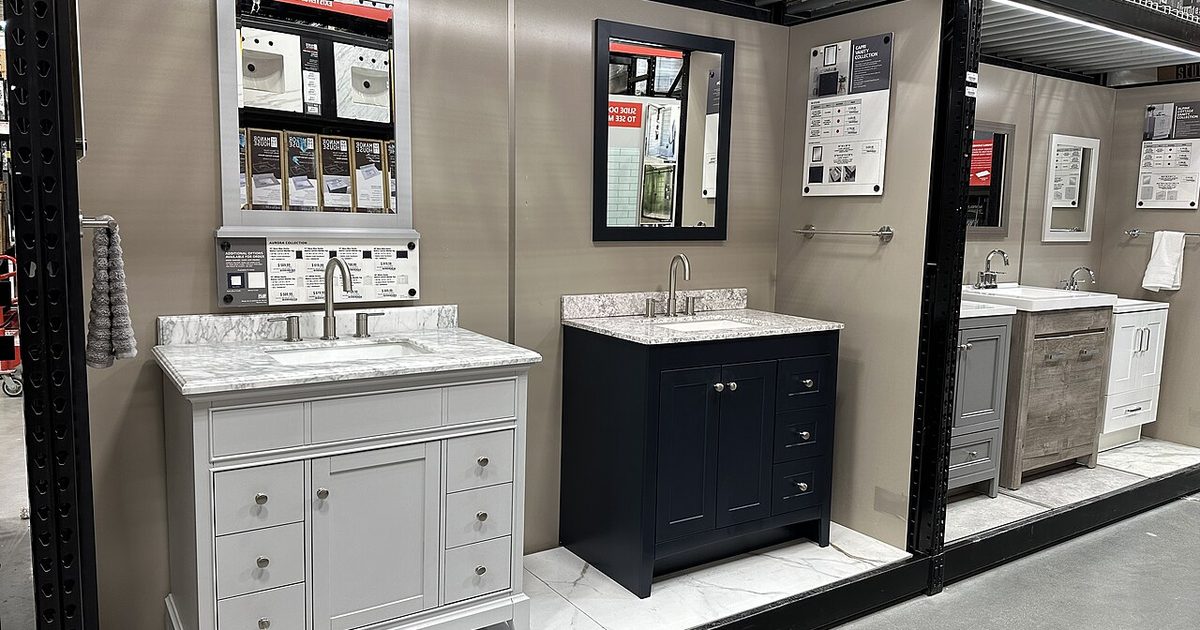
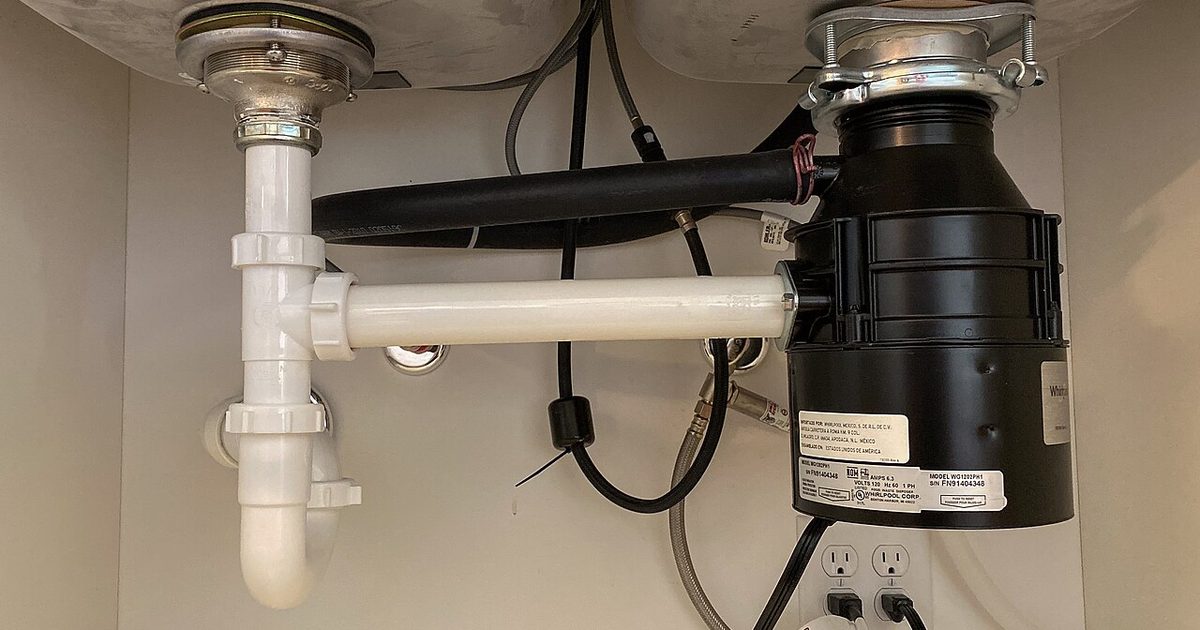
Bathroom basins collect toothpaste, soap, shaving residue, hair and skin oils. The drain may still empty, but the build-up inside the waste can smell whenever warm water or airflow moves through it. Remove the pop-up plug if it is designed to lift out, clean visible residue, then flush with warm water. Avoid harsh chemical drain cleaners, especially if you do not know the pipe material or have recently used another product. If the basin gurgles, drains slowly or smells worse after another fixture runs, the issue may be deeper than the waste fitting. A plumber can remove and clean the trap, check the fall, and confirm whether the basin line is partly blocked or being affected by a shared bathroom drain.
The toilet base tells its own story
A sewer odour near the toilet may point to the pan connector, wax or rubber seal, a loose pan, a failed floor flange, or movement that has opened a small gap. Do not ignore stains, wobbling, damp grout, swollen skirting or a smell that gets worse after flushing. Those signs suggest wastewater or sewer gas may be escaping where the toilet connects to the drain. Tightening visible screws is not a full repair if the seal has failed, and sealing around the base with silicone can trap moisture while hiding the symptom. A licensed plumber should lift, inspect and reseal the toilet if the connection is suspect. This is also a good time to check whether the toilet repair is minor or whether old fittings make replacement more sensible.
Vent problems can pull water from traps
Plumbing vents let air move through the drainage system so water can flow without sucking traps dry. When a vent is blocked, missing, undersized or poorly connected, one fixture can affect another. You might hear gurgling in the shower when the toilet flushes, see bubbles in a floor waste, or smell sewer gas after a basin empties. Vent faults are not a good DIY target because the cause may sit in the roof space, wall, stack or a shared line. In Sydney apartments and terraces, access can also be limited by strata or older layouts. A licensed PlumbnShine plumber can test the fixtures together, inspect likely vent paths and explain whether the fix is clearing, repairing or correcting the connection.
Slow drains and odour often share a cause
If the bathroom smell comes with slow drainage, gurgling, water rising in the shower, or a toilet that does not flush cleanly, treat it as a blocked drain warning. Hair and soap can block a shower waste, but a deeper bathroom group blockage may affect several fixtures at once. Tree roots, pipe scale, sagging lines and wet wipes can also trap waste and create odour. Plunging may shift a small local blockage, but repeated plunging without diagnosis can push the problem further down the line. Ask for drain cleaning, jetting or camera inspection based on the symptoms. The quote should state whether the plumber is clearing a single fixture, a bathroom branch line or a main sewer line. A camera inspection is most useful when the same smell comes back after cleaning or more than one fixture reacts at once. It can show whether there is soft blockage, roots, broken pipe, standing water or a junction fault. That evidence helps you decide whether the next spend should be jetting, a local repair, toilet work or a wider sewer line check.
Moisture leaks can smell like drains
Not every bathroom smell is sewer gas. A slow leak under a vanity, around a shower screen, behind a tap body or beneath a toilet can create a damp, stale odour that gets mistaken for drains. Look for swollen cabinet panels, dark silicone, peeling paint, soft flooring, insects, mould spots or a patch that stays damp after cleaning. Do not cut into walls or floors just to check. Take photos, stop using the suspect fixture if water is spreading, and get a written quote for leak detection or plumbing repair. If a moisture leak is left alone, the repair can spread from a simple fitting or seal issue to cabinetry, flooring and plaster damage.
Rough-in and renovation mistakes show up later
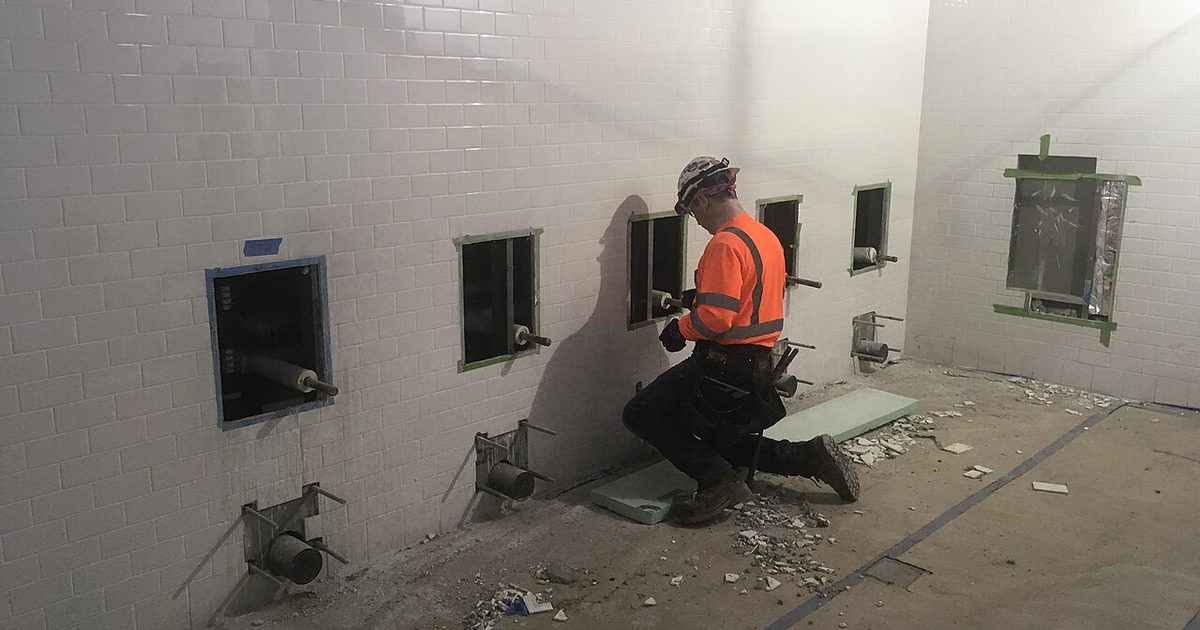
Bathroom renovations can leave smell problems that only appear after the room is used for a while. Common issues include poor trap access, incorrect fall, fixtures tied into the wrong line, floor wastes that are not charged, venting shortcuts, or a toilet set over a connection that was never aligned properly. A polished bathroom can still have a plumbing fault hidden behind it. If the smell started after renovation, gather the plans, invoices and photos if you have them. Ask the plumber to inspect fixture by fixture instead of treating the room as one vague smell. The goal is to find the failed connection without pulling apart finished surfaces unless the evidence points there.
What not to do while you wait
Avoid pouring multiple drain chemicals into the bathroom. They can damage fittings, create fumes, make the job less safe, and still miss the cause if the problem is a dry trap, vent fault or toilet seal. Do not seal a smelly floor waste, tape over vents, or silicone around a leaking toilet base as a permanent fix. Those shortcuts hide warning signs. Keep the room ventilated, run water through unused traps, stop using any fixture that leaks, and keep children and pets away from suspect wastewater. If the smell is strong, appears with wastewater backing up, or affects more than one room, treat it as urgent and call an emergency plumber.
How to brief a plumber for a faster quote
A clear brief helps the plumber quote the right first step. Tell them where the smell is strongest, when it started, whether any fixture drains slowly, whether the toilet moves, whether renovations were done recently, and whether rain changes the smell. Send photos of the basin waste, floor waste, toilet base and any damp area. Ask for a written quote that separates diagnosis, drain cleaning, toilet resealing, trap repair, leak detection and any follow-up work. If the fault is uncertain, a staged quote is fair: inspect first, then price the repair once the cause is confirmed. That protects you from paying for drain cleaning when the actual problem is a toilet seal or dry trap. If the home is rented or in strata, keep the notes factual: date, room, fixture, smell strength, slow drains and photos. That makes approval easier because the owner, strata manager or plumber can see a pattern instead of a one-off complaint. It also protects you if the fault worsens before the inspection.
Verdict: smell is a symptom, not the diagnosis
The right fix depends on where the odour enters the room. A dry trap may take minutes to solve. A failed toilet seal, blocked bathroom branch, vent problem or leak needs a licensed plumber and a written scope. Start with safe checks, avoid chemical shortcuts, then book an inspection if the smell returns, spreads or appears with slow drains. The sooner the cause is named, the easier it is to keep the repair small.
Common questions
Is sewer smell in a bathroom dangerous?
A faint smell from a dry trap may clear after water is run through the fixture. A strong, recurring or spreading odour should be checked because it may involve sewer gas, wastewater leakage, a blocked drain or failed toilet connection.
Can I fix a sewer smell myself?
You can run water through unused traps, clean accessible plug fittings and note where the smell is strongest. Do not use harsh chemicals or seal fixtures shut. If the smell returns, get a licensed plumber to inspect the trap, toilet seal, venting and drains.
Why does my bathroom smell after rain?
Rain can expose drainage faults, overloaded lines, poor venting or water entering areas it should not. Record when it happens and whether any fixtures gurgle or drain slowly, then ask for a plumber's inspection.
Should I ask for drain cleaning or leak detection?
Ask for the first step that matches the symptom. Slow drains and gurgling point toward blockage checks. Damp cabinets, swollen flooring or musty smells point toward leak detection. A plumber can confirm which path fits.
Need a licensed plumber in Sydney?
Tell us what's going on and a local plumber will get back to you fast.
Get my free quoteGet a free quote
Tell us what you need and a local, licensed plumber in Sydney will call you back. No obligation.
- Local, licensed plumbers
- Fast response — incl. emergencies
- Free quote, you choose who to hire