Pre-Purchase Plumbing Inspection 2026: What Sydney Buyers Should Check Before Exchange
A building inspection can miss plumbing problems that sit underground, behind walls or under a slow-draining bathroom floor. A pre-purchase plumbing inspection gives buyers a clearer view of drains, hot water, leaks and water pressure before they commit. It will not make an older home perfect, but it can show which risks need a written quote before exchange or settlement.
What a pre-purchase plumbing inspection covers
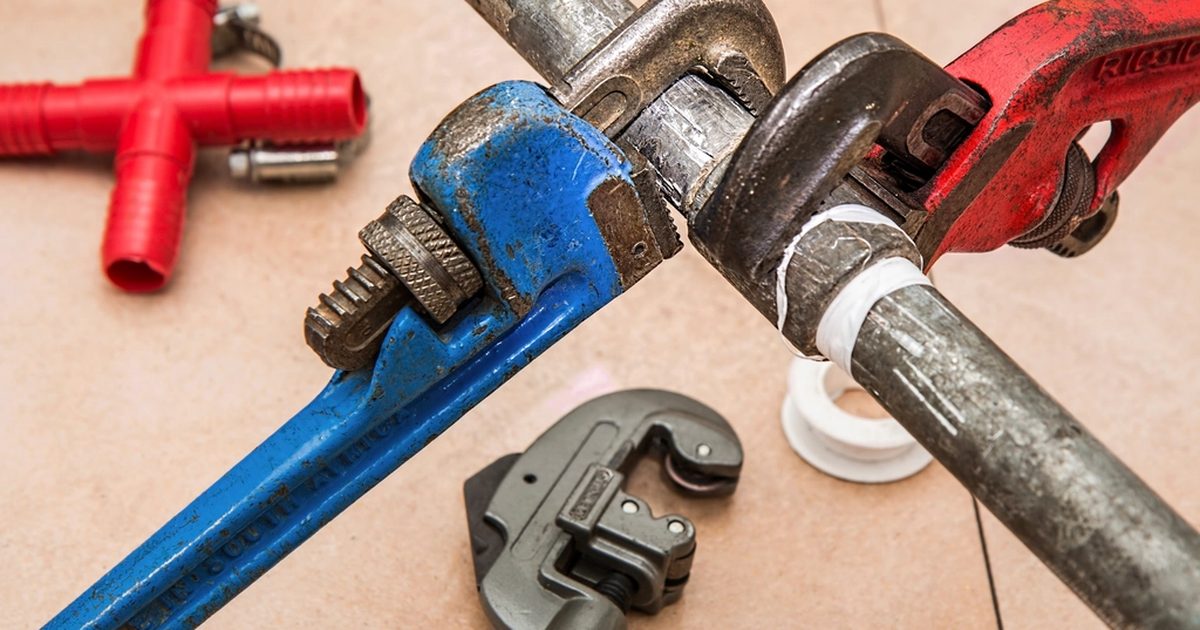
A pre-purchase plumbing inspection checks the systems that affect water, waste, hot water and daily reliability. The plumber looks at visible pipework, taps, toilets, floor wastes, hot water equipment, pressure, drainage behaviour and signs of damp or previous leaks. Where access allows, they may also inspect the meter, isolation valves, stormwater points, sewer boundary trap and garden taps. The aim is to find plumbing risks that could cost money after you move in, hold up a renovation, or change the price you are willing to pay. In Sydney, older terraces, post-war brick homes, apartments and renovated houses can all hide different risks. A neat bathroom does not prove the drains are healthy, and a freshly painted laundry can still have old pipework behind it. Ask for a written scope so you know whether the quote includes camera inspection, pressure testing, roof drainage checks or only a visual walk-through.
Why Sydney buyers ask for plumbing checks
Sydney buyers often move quickly, especially when an auction date is close. That speed can make plumbing feel like a detail, but water damage and blocked drains are not minor once the keys are yours. A plumbing inspection is most useful when the home is older, has big trees near sewer lines, shows patch repairs, has slow drains during the open home, or has a hot water system near the end of its service life. It also helps when the buyer plans a bathroom, kitchen or laundry renovation after settlement. Renovation budgets can change if the existing waste line is too shallow, the hot water capacity is wrong, or the pipework cannot support the new layout. The value is knowing whether you are looking at a simple tap repair, blocked drain cleaning, pipe relining, hot water replacement, or a bigger access problem.
Camera inspections and drain condition
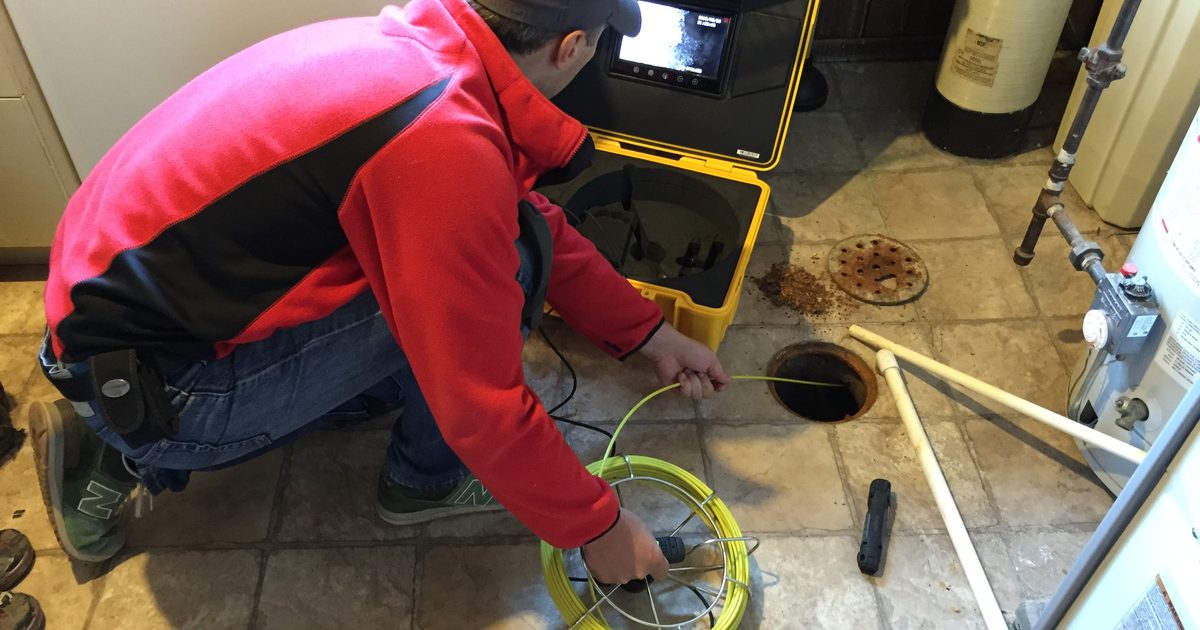
Drains are one of the main reasons buyers order a dedicated plumbing inspection. A drain can pass a quick tap test at an open home and still have tree-root intrusion, cracks, heavy scale, poor fall or a partially collapsed section. A CCTV drain camera inspection gives the plumber a better look inside the sewer or stormwater line, provided there is safe access through an inspection opening or boundary point. The footage can show where a blockage starts, whether the line is holding water, and whether the issue looks local or runs further along the pipe. If a defect appears, ask for the approximate location, likely repair options and whether excavation, pipe relining or further investigation might be needed. Get the finding in writing, with enough detail to request a quote or discuss the issue with your conveyancer. A licensed PlumbnShine plumber can also explain whether the drain concern looks urgent or worth budgeting for after settlement.
Hot water checks before you buy
Hot water problems are easy to underestimate because the system might work during a short inspection. The buyer should still check the unit type, approximate age, location, ventilation, visible corrosion, relief valve discharge, noise, safe access and whether the capacity suits the household. Gas, electric, continuous-flow and storage systems each have different replacement considerations. In apartments, strata rules and access can matter as much as the unit itself. In houses, the location of the heater, pipe run and drainage point can change the replacement quote. Avoid treating any specific lifespan as guaranteed. Usage, water quality, maintenance history and installation quality all affect how long a system lasts. A plumber can tell you whether the visible setup looks serviceable, whether there are signs of unsafe work, and whether a written hot water replacement quote is sensible before you make a final decision. If the seller cannot provide paperwork, build more caution into your budget.
Leaks, pressure and water meter clues
Some leaks announce themselves with stained ceilings or swollen skirting boards. Others hide in walls, under slabs or below garden beds. During a pre-purchase plumbing inspection, simple clues can help decide whether more leak detection is needed. The plumber may check visible fixtures, flexi hoses, isolation valves, outdoor taps, toilet cistern behaviour and damp areas around wet rooms. A water meter check can also be useful when conditions allow, although it is not proof on its own. If all taps are off and the meter still moves, further investigation may be needed. Low water pressure has its own list of possible causes, from blocked aerators and old galvanised pipe to pressure-limiting valves, shared supply issues or a partly closed valve. High pressure can also damage fixtures and hot water parts over time. The practical question for buyers is whether the issue is isolated and cheap to address, or a sign of broader pipe repair work. Ask for that distinction in the written report.
Older pipes, renovations and hidden shortcuts
Older Sydney homes may have a mix of pipe materials and repair eras. A house can look renovated while still carrying older supply lines, patched wastes or stormwater routes that were never upgraded. Renovations also create risk when work was done without proper access, drainage fall or licensed trade involvement. Look for uneven floor falls, silicone-heavy repairs, new tiles over suspicious damp patches, exposed pipework that disappears into awkward spots, and laundries or bathrooms moved far from their original location. None of those signs proves poor work, but they give the plumber a reason to look closer. Buyers should be careful with homes marketed as newly renovated when there is no evidence of the plumbing work behind the finishes. Fresh tapware and a modern vanity do not show what sits behind the wall. If you plan to renovate after purchase, ask whether the existing pipe positions support the future layout or whether you should budget for more opening, chasing, concrete cutting or drainage changes.
Stormwater, yards and heavy-rain problems
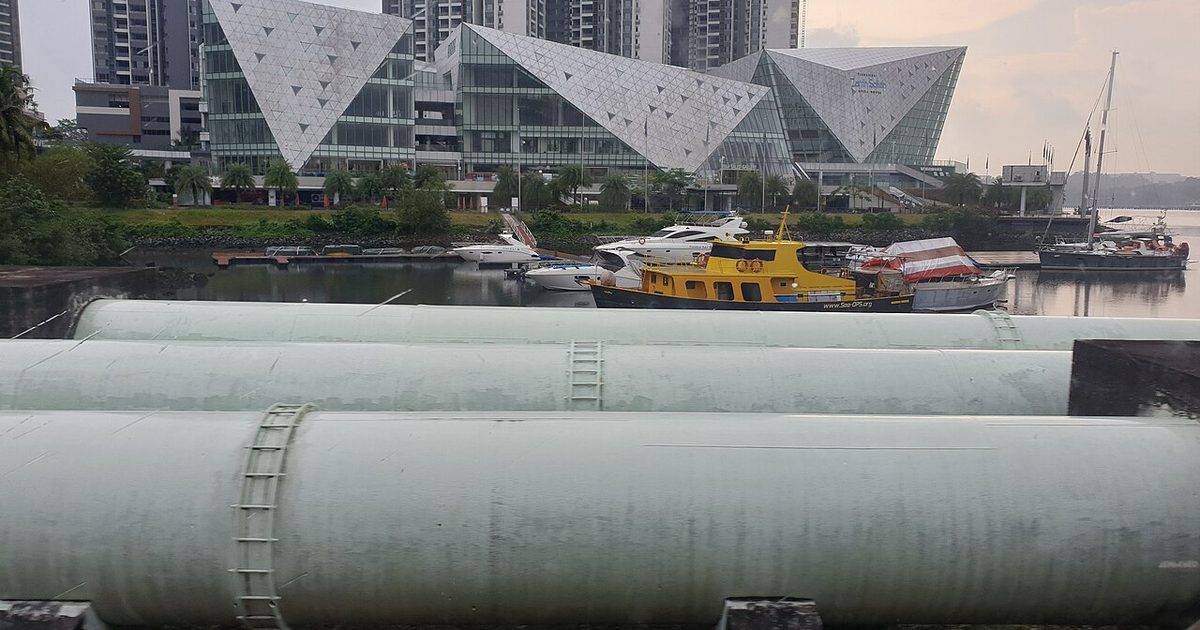
Stormwater is often left out of casual buyer checks because it may look fine on a dry day. Sydney homes can still have ponding yards, undersized pits, blocked grated drains, broken stormwater pipe or downpipes that discharge poorly. After heavy rain, these faults can show up as damp subfloors, water running toward the house, overflowing gutters, wet garage edges or garden areas that stay boggy for days. A plumber cannot promise how a property behaves in every storm from a short inspection, but they can identify visible drainage concerns and explain what needs further testing. This matters for sloping blocks, paved courtyards, homes with retaining walls, and properties where extensions have changed the roof area. If stormwater work might be needed, ask for a separate written quote or a note on likely investigation steps.
What to ask before you book
Before booking, ask exactly what the plumber will inspect, how long the site visit usually takes, whether a CCTV drain camera is included, what access is required, and what written report or notes you will receive. If you need the result before auction, say so upfront. Give the plumber the property type, suburb, age if known, agent access details, and any concerns from the building report. If the building inspector noticed damp, slow drains, hot water concerns or unusual pipework, share those notes. You should also ask whether the plumber is licensed and insured for the work being discussed. The cheapest quote is not automatically poor and the highest quote is not automatically thorough. Compare what is included, what is excluded, and whether the report gives you enough detail to make a decision.
How to use the report in negotiations
A plumbing report is most useful when it turns vague risk into a practical next step. If the plumber finds a likely blocked drain, failing hot water unit or leak concern, ask whether you need a repair quote, further investigation, or a simple maintenance allowance after settlement. Then discuss the finding with your conveyancer or buyer agent before making any negotiation move. The report may help you ask for access to investigate further, seek a price adjustment, request that the seller fixes a specific issue, or decide the risk is acceptable. Keep the language measured. A defect is not always a deal-breaker, and some sellers will not negotiate. The benefit is that you are not buying blind. For serious plumbing risks, a written quote gives you a clearer basis than a rough phone estimate. PlumbnShine can help Sydney buyers separate urgent plumbing issues from normal maintenance items so the next step is proportionate.
Common mistakes buyers make
The first mistake is assuming the building inspection covers every plumbing concern. It may note visible defects, but it may not include camera inspection, leak tracing or a detailed hot water assessment. The second is trusting a renovated bathroom without asking what was replaced behind the tiles. The third is ignoring slow drains because the property otherwise looks clean. The fourth is waiting until after exchange, when options may be limited. Buyers should also avoid treating online averages as a quote. Plumbing inspection cost depends on access, property type, drain camera inclusion, reporting detail and urgency. Use online ranges only as a planning prompt, then get a written quote for the actual property. Most plumbing defects have repair paths. The aim is to know the likely path before you own the problem.
Buyer checklist before exchange
Use a short checklist so the inspection produces decisions, not loose worry. Confirm the property address, access window, age and type of home. Share the building report and any damp, drain or hot water notes. Ask whether CCTV drain inspection is included or should be added. Check visible hot water details, pressure concerns, leaking taps, toilet behaviour, stormwater points and signs of past repairs. Ask the plumber to separate urgent safety or damage risks from future maintenance. Request written notes that identify the issue, likely next step and any exclusions. If further work is recommended, ask for a written quote or a clear reason why pricing needs more investigation first. For apartments, compare the plumbing notes with strata records. For houses, pay closer attention to trees, yard drainage and sewer access. Apartment buyers should also compare plumbing notes with strata records for repeated leaks, blocked drains, shared hot water issues and special levies.
Common questions
How much does a pre-purchase plumbing inspection cost in Sydney?
It depends on the property, access, urgency, reporting detail and whether CCTV drain camera inspection is included. Do not rely on a generic online price as the final number. Ask for a written quote that lists inclusions, exclusions and any extra cost for camera work or return visits.
Is a plumbing inspection different from a building inspection?
Yes. A building inspection may note visible plumbing defects, damp areas or drainage concerns, but it usually does not replace a licensed plumber checking drains, hot water, pressure, leaks and pipe access. If the building report mentions plumbing risk, a dedicated plumbing inspection can give more detail.
Should I get a drain camera inspection before buying?
Consider it for older homes, homes with big trees near sewer lines, slow drains, repeated blockage history, or properties where the sewer route is important to a renovation. Camera access is not always available, so confirm what the plumber can inspect before booking.
Can the seller refuse access for plumbing checks?
Access depends on the selling process and the agent or seller. Ask early, keep the requested time reasonable, and explain what needs to be checked. If access is refused, treat that as part of your risk assessment and discuss the next step with your conveyancer or buyer agent.
Need a licensed plumber in Sydney?
Tell us what's going on and a local plumber will get back to you fast.
Get my free quoteGet a free quote
Tell us what you need and a local, licensed plumber in Sydney will call you back. No obligation.
- Local, licensed plumbers
- Fast response — incl. emergencies
- Free quote, you choose who to hire