How Much Does a Plumber Cost in Sydney? 2026 Price Guide
Few home repairs are as hard to budget for as plumbing, because the price depends on the job, the time of day and what is hidden behind the wall. This guide sets out what Sydney plumbers typically charge in 2026, what pushes a bill up, how a written quote is put together, and what to check before you sign. Use it to read quotes with confidence and ask better questions.

What you are actually paying for
A plumber's bill is rarely just time on the tools. It bundles a callout or attendance fee (getting a licensed tradesperson and a stocked van to your door), the labour rate for however long the job takes, parts and materials, and the overheads of running a licensed business - insurance, licensing and registration, tools, testing gear and compliance paperwork. Labour is usually the biggest line, because it covers time on site plus the travel, ordering and paperwork around the job. In NSW, anyone doing plumbing or draining work for others must hold a current licence, and that requirement is a large part of why a general handyman cannot legally take the job on. When you compare two quotes, compare the full scope: what sits inside the fee, what is billed on top, and whether GST is in or out of the number you were given. Ask a plumber to break the price into those parts, and you will quickly see whether you are looking at a price built for your job or a number designed to win the phone call. Time is the part of the bill you have the most control over. A clear description of the problem, easy access to the fixture and a booking outside the evening rush all cut down the hours the plumber needs to be there.
Indicative Sydney prices for 2026
As a rough guide for metro Sydney: a standard-hours attendance or callout commonly lands somewhere between about $90 and $180 before work starts; general plumbing labour typically runs in the region of $100 to $180 an hour; and a small, well-defined job - a tap washer, a toilet cistern valve, a leaking mixer - is often quoted as a fixed price of a few hundred dollars. After-hours, weekend and public holiday work usually attracts a surcharge, often somewhere between 1.5 and 2 times the standard rate, because the plumber is giving up an evening or a day off and is on call. Same-day emergency work, gas fitting, confined access and anything that means cutting into walls or floors sit at the higher end. Treat every figure here as indicative: the number that matters is the written quote for your job, in your home. Two homes on the same street can be quoted differently for the same symptom, because the pipe run, the access and the condition of the fittings are never identical. Use these ranges to sanity-check a quote, not to argue one down.
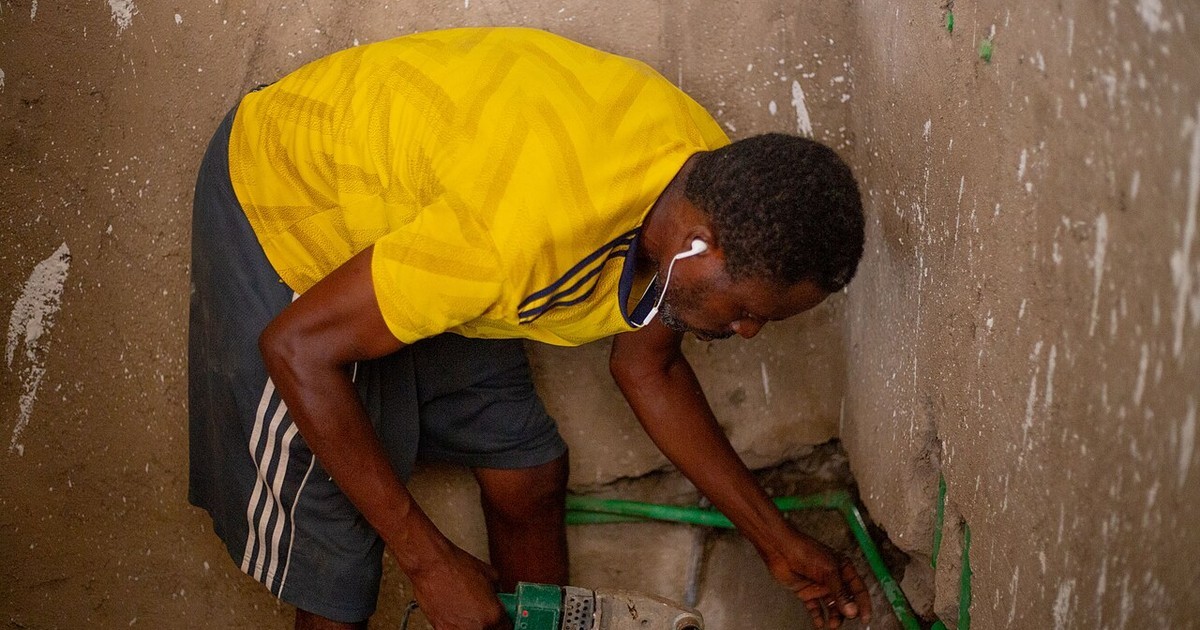
How plumbers price a job: call-out fees, hourly rates and fixed quotes
How a bill is structured matters as much as the headline rate. A callout or attendance fee covers the trip to your address and the first part of the visit, and many businesses absorb it into the job price if you go ahead, so ask which applies to you. Hourly work is billed for time on site, often in minimum blocks rather than by the exact minute, which is worth knowing if the job turns out to be a ten-minute fix. A fixed quote is priced from the scope: the plumber works out what is involved, allows for parts and time, and carries the risk if it runs long. After-hours work is priced for being on call. Where your home sits also shows up in the total - an apartment with a lift booking, a basement car park or a street with no parking adds time before any plumbing starts, and travel across Sydney at peak hour is time somebody pays for. A larger firm with office staff, apprentices and a fleet carries more overhead than a one-person operation, and that difference lands in the rate you are quoted.
What a written quote should contain
A written quote is the document you fall back on if the job goes sideways, so read it before you agree to anything. It should carry the business name, ABN and the plumber's licence number, a description of the work in plain words, the price, and a clear list of what is excluded - making good, tiling, painting, waste removal and compliance certificates are the usual ones to check. Confirm whether GST is included in the figure, how long the quote stays valid, what deposit is expected and when the balance is due, and how the plumber prices a variation if the job turns out to be bigger than the original scope. Ask for variations to be approved in writing before the work continues, agree what happens if a part has to be ordered and a second visit is needed, and get the warranty terms for both the workmanship and the fittings in the quote itself. If a plumber will not put any of that in writing, treat it as information about how the job is likely to go. Ask for the quote by email so you keep a dated copy, and check it against the invoice when the work is finished.
The jobs that cost more than people expect
Some jobs surprise homeowners because most of the cost is access and making good, not the plumbing itself. A concealed leak under a slab or behind tiles usually needs leak detection equipment before anyone can quote a repair. Replacing a corroded section of galvanised pipe in an older Sydney home can mean opening a wall, and a new sewer or water line may need trenching through a garden or driveway, with the repair to the surface charged on top. Roof and gutter work, working at height, strata and compliance certificates, and any job that needs an electrician or a licensed gas fitter alongside the plumber all add to the total. If your home was built before the 1980s, ask specifically about pipe material early in the conversation - it is the single biggest swing factor in many quotes. A running toilet shows how fast scope changes: a worn valve or washer is a small toilet repair, while a failed seal or cracked cistern usually means replacement, and only an inspection tells you which one you have. Where a leak or blockage sits matters as much as what it is, so expect the diagnosis to be priced separately from the repair itself.
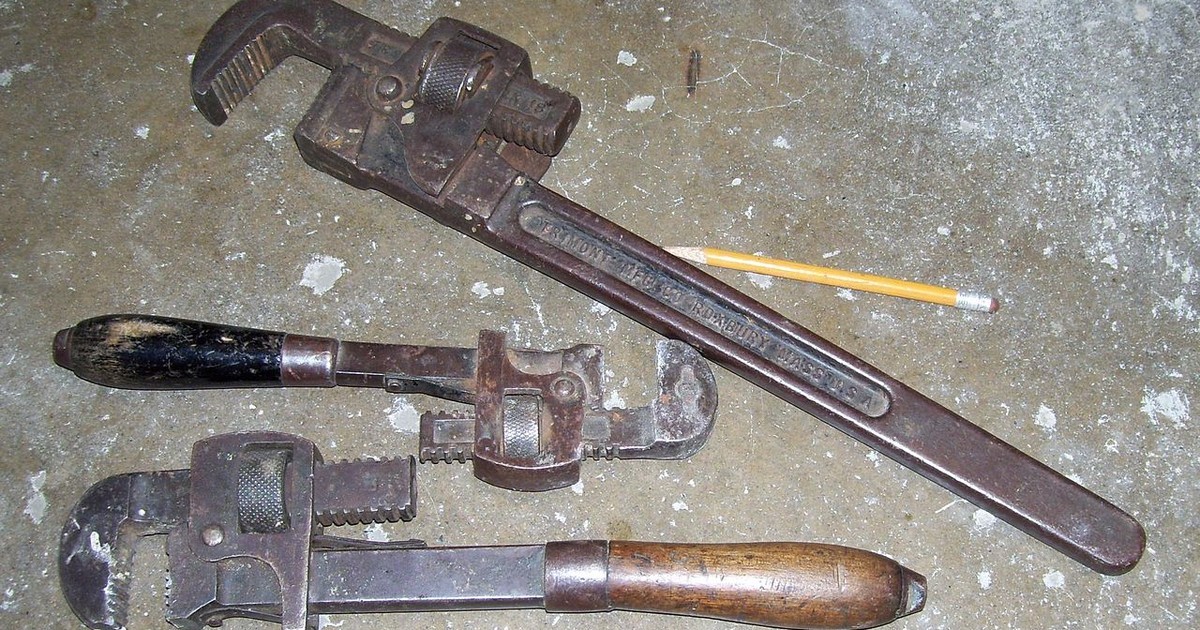
Access, home age and parts: what changes the price
Two quotes for the same symptom can differ because the homes are different. Access is the first variable. A leaking tap under a laundry sink that you can reach is a different job from the same tap behind a tiled wall, under a slab, or in a ceiling space that needs a ladder and a torch. The age of the home matters just as much. Older Sydney houses may still have galvanised water pipes or clay and earthenware drains, and pipe material decides whether a pipe repair is a clean swap or a section replacement that needs a wall or floor opened. Some older materials need a licensed removalist before a plumber can start, and that is a separate line on the job. Parts come next: a standard fitting off the van is quick, while a specialty or imported part has to be ordered and may need a return visit. Compliance adds cost to any job that needs a certificate, a strata approval or an inspection by the water utility, because that paperwork and the wait for sign-off take time. You can reduce some of this before anyone arrives: clear the cupboard under the sink, move whatever blocks the meter or the manhole, and tell the plumber upfront about a slab, a tiled floor or a tight subfloor crawl.
Hourly rate or fixed price - which protects you?
Both models are legitimate, and the right one depends on how well the scope is known. Fixed price works best when the job is diagnosable: you know what needs replacing and roughly where it is, so you get certainty and the risk of the job running long sits with the plumber. Hourly is usually fairer for diagnosis - finding a leak, tracing a blockage, working out why pressure has dropped - because nobody can honestly know in advance how long the search will take. The traps run both ways. Agreeing to hourly work on something with an obvious, known scope can cost you more than a fixed job would have. Agreeing to a fixed price on a vague scope tends to produce variations, and the final bill drifts past the original number. Ask which model the quote uses, and why. Then ask what would turn the job into a variation and how that extra work would be priced and approved, because that one question separates a firm number from an opening offer. Whatever the model, ask for the quote in writing and for the price to be confirmed again once the plumber has seen the problem in person.
How to compare quotes fairly
The cheapest number is often not the cheapest job, because quotes hide their inclusions. Give every plumber the same information: describe the symptom, the fixture, the room and the access, and mention any earlier repairs in the same area. Then check each quote against the same list - callout and labour, parts (and whether they are at cost or marked up), GST, compliance certificates, waste removal, and making good. Ask for the licence number to appear on the quote, confirm the business carries insurance, and ask what happens if the job turns out to be bigger than expected. A plumber who can explain the price clearly and stand behind the work in writing is usually worth more than one who simply shaves fifty dollars off a vague figure. Line-by-line comparison is the only fair test, and it takes about ten minutes before you decide. If two quotes cover the same scope, a small gap in price is not worth agonising over. A large gap usually points to a difference in the scope itself, so find out what that difference is before you choose.
How to get a more accurate quote
The quality of the quote you get depends on the information you give. Describe the symptom in plain words rather than your guess at the cause - a slow drain and a drain that gurgles and backs up are not the same job, and the second one usually needs different equipment. Name the fixture and the room, say how long the problem has been there, and mention any earlier repair or blocked line in the same spot. Photos help more than paragraphs: a shot of the fixture, of the area around it, and of anything you can see behind a cupboard door or under the house lets a plumber narrow the likely scope before turning up. Tell them about access as well - a slab floor, a tiled bathroom, a steep block or a shared driveway changes how the job has to be done. Mention if the property is a unit or a rental, because strata approval and landlord sign-off affect both timing and price. Booking a second small job while a plumber is already at your home usually costs less than paying a fresh attendance fee later, so keep a list of the minor things you have been putting off. A plumber who asks a few questions before quoting is doing the work that makes the number on the page reliable.
Red flags that lead to overpaying
Be cautious with anyone who quotes a large sum over the phone without seeing the job, asks for a big cash deposit up front, refuses to put the price in writing, or pressures you to decide on the spot. A written quote should show the business name, licence number, ABN, scope of work, the price, and any exclusions. Keep it. If the final bill does not match the agreed scope, ask for a written explanation before you pay. For genuinely urgent work a good plumber will still give you a price range before starting, and confirm it once they have actually seen the problem - a rough range up front is normal, a number that mysteriously grows afterwards is not. Trust the pattern as much as the price: clear answers early are a better signal than a discount offered under pressure. Keep the invoice and any compliance certificate with the quote, because both matter if you sell the property or need to make a claim later.
Licence, insurance and Sydney-specific factors
Before you book, check that you are hiring a licensed plumber rather than a logo on a van. In NSW you can look up a plumber's licence number on the public register maintained by NSW Fair Trading, and the number should appear on the quote and the invoice as well. Ask whether the business holds public liability insurance and workers compensation cover for anyone it sends to your home, and whether you can see a certificate of currency. If a pipe is damaged or a worker is injured on your property, that cover is the difference between an insurance claim and a dispute with a tradesperson who cannot pay. Ask whether the person quoting the job is the person doing it, or whether it goes to a subcontractor, because that decides who you call if something goes wrong later. Sydney adds its own factors: terraces, units and apartments bring strata rules and shared services, inner city jobs bring parking and lift bookings, storm season brings a rush of emergency callouts, and how quickly you need the work done shapes the price as much as the work itself.
Common questions
Do Sydney plumbers charge a callout fee?
Most do, and it is normal. The fee covers getting a licensed tradesperson to your door with a stocked van, and it is charged whether or not you go ahead with the work. Ask what it includes, how much of the visit it covers, and whether it is absorbed into the job price if you approve the quote, because policies differ from one business to the next.
Why is an emergency plumber so much more expensive?
After-hours and weekend work is priced for being on call. The plumber is giving up an evening or a day off, may need a second person, and the job cannot wait until business hours. Expect a surcharge, commonly around 1.5 to 2 times the standard rate, and ask for it to be confirmed before any work starts. If the job can safely wait until morning, a standard-hours booking costs you less.
Should I pay a deposit before the work starts?
A deposit for materials on a large job is reasonable when it is written into the quote. Large up-front cash payments, or paying in full before work begins, are not. Pay by a traceable method where you can, and keep the receipt with the quote. If a plumber asks for a deposit, ask what it covers, how it is applied to the final bill, and what happens to it if the job changes or does not go ahead.
Is a cheaper quote ever the better choice?
Only if the scope matches. A lower price often comes with fewer inclusions - no certificate, no waste removal, cheaper fittings - and that usually costs more over the life of the job. Compare quotes line by line rather than on the total alone, and check that each covers the same work, the same parts and the same compliance paperwork. If one quote is far lower, ask that plumber what they have left out.
Need a licensed plumber in Sydney?
Tell us what's going on and a local plumber will get back to you fast.
Get my free quoteGet a free quote
Tell us what you need and a local, licensed plumber in Sydney will call you back. No obligation.
- Local, licensed plumbers
- Fast response — incl. emergencies
- Free quote, you choose who to hire