Pipe Repair vs Full Repipe: How to Decide
Leaking or corroded pipes can be patched or replaced, and knowing whether a targeted repair will do or whether it is time for a full repipe saves you from throwing money at a recurring problem. This guide is for Sydney homeowners holding a quote, or standing in a wet laundry working out what comes next. It covers the pipe materials common in older homes and how each one fails, the warning signs that point to a whole system rather than a single joint, and what a repair and a repipe actually involve on site. Access, concealment and strata ownership each change the answer, so the decision framework here is built around four questions you can answer yourself.
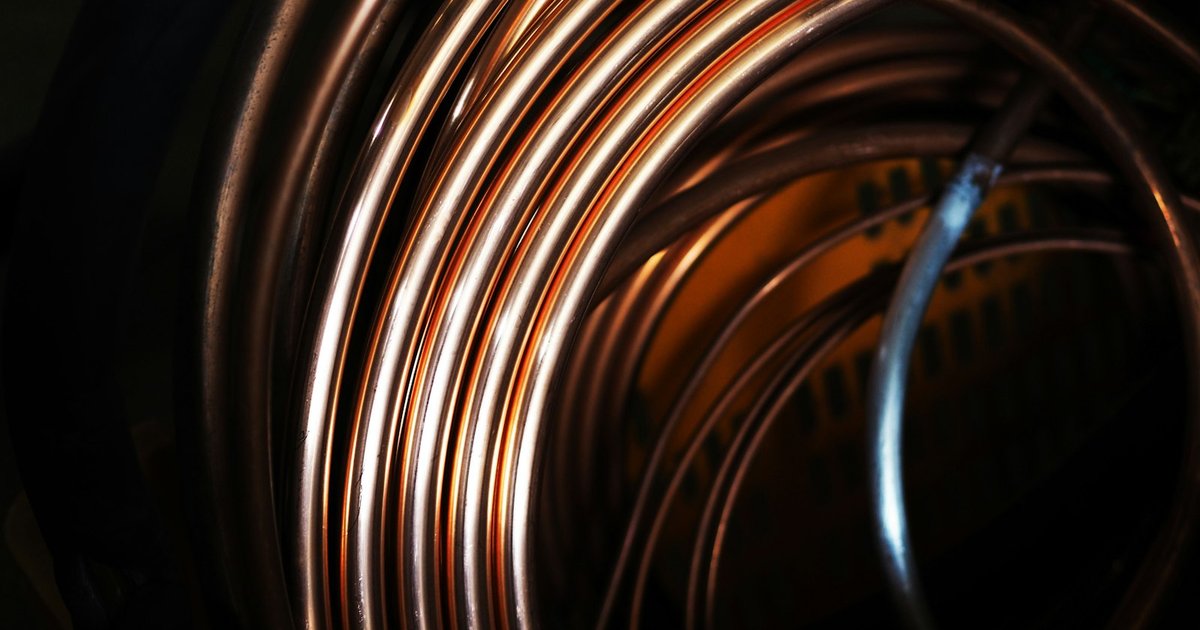
The pipe materials common in older Sydney homes
Water pipe in an older Sydney house is usually one of three things, and each one fails in its own way. Galvanised steel, the zinc-coated steel used in a lot of homes built through the mid-twentieth century, corrodes from the inside out. Scale builds on the wall of the pipe, the bore narrows, and the coating eventually gives way to rust that eats through to a pinhole. What starts as a weep at one point becomes a series of them along the same run. Copper came next and generally lasts well, but some early copper and thin-wall copper develops pitting where water chemistry has attacked the inside, and pinholes open at those pits. Older clay systems in the ground corrode and scale in the same gradual way. Poly pipe, the polyethylene usually sold as PEX, and PVC are the modern standard for water and waste lines. They resist corrosion, flex rather than crack, and use far fewer joints, so they generally last far longer than the materials they replaced. The material tells you what the pipe is likely to do next.
Warning signs that point to a system, not a joint
One leak is a repair. A pattern of them is a system telling you something. Watch for repeated leaks in different parts of the house rather than in the same spot, because the same spot usually means one failed joint or one damaged section. Pinholes appearing along a copper run, one after another over months, say the pipe wall is pitting generally. Poor pressure at every tap at once, particularly when nothing has changed at the meter, points to a supply problem rather than a fixture, and in a galvanised system it often means scale has built up through the line. Discoloured water, brown or cloudy on the first draw in the morning, is rust or scale being carried through. Noisy pipes are the other signal: a hammering thud when a tap shuts, a whistle or a rattle, or a ticking that continues after the water stops all suggest pipe that is loose, corroded or restricted. Original galvanised pipe that has never been repiped is the backdrop to all of these, and age plus more than one of these signs is usually a verdict.
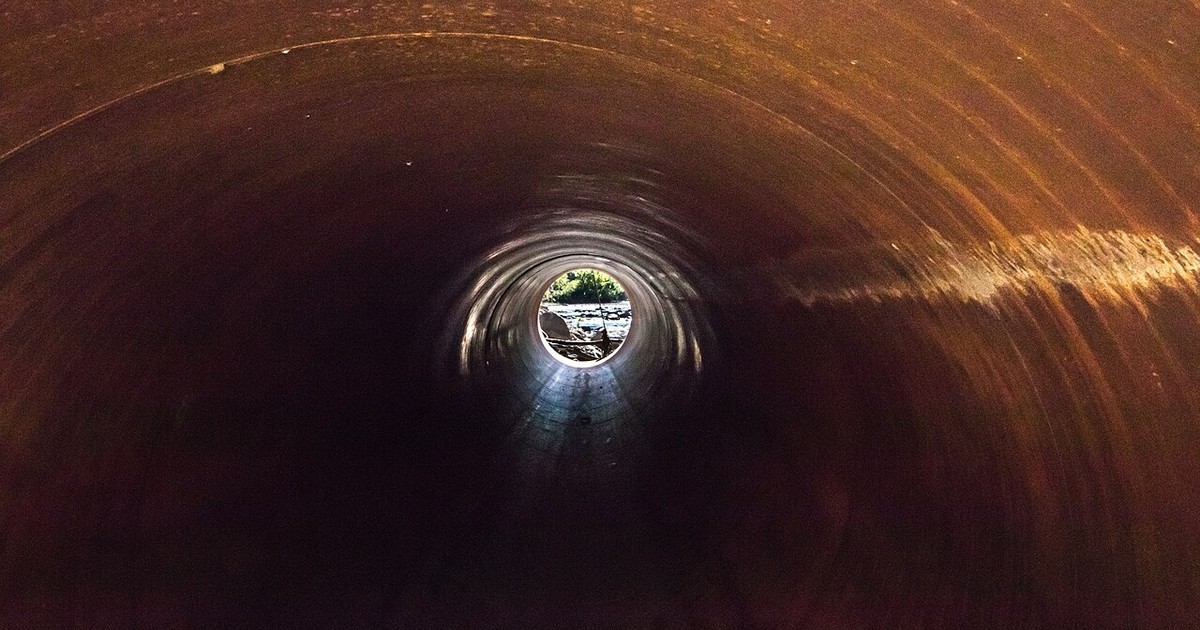
What a pipe repair actually involves
A pipe repair is targeted work on a known fault. The plumber isolates the water, drains the line, then gets to the failed section and opens enough of the surrounding surface to work. The damaged piece is cut out and replaced with new pipe and new fittings, or the joint is remade, and on copper that may mean brazing the new section in. A temporary clamp or repair coupling will stop a leak in the short term, but a permanent fix usually needs the section replaced, so treat a clamp as a stopgap while you plan. Once the new section is in, the line is returned to pressure and checked before anything is closed up. Repairs stay cheap and sensible when the pipe is accessible and the surrounding system is otherwise sound, because you are buying time on a system that still has life in it. They stop making sense when the fault is one of a series. A repair is also the moment to have the rest of the line checked, since the plumber is on site and the water is off.
What a full repipe actually involves
A repipe replaces the water line rather than the failure. In practice that means running new pipe, usually in poly or copper, through the same routes the old pipe used or a new route where that is simpler, and connecting it to the fixtures and the supply. The old line is abandoned or removed. A whole-home repipe can take a few days depending on the size of the house and how easy the pipe is to get at, and it is usually done with minimal disruption rather than the whole house being out of action. It is a big one-off cost. What you get for it is the end of the cycle, with no more pinholes six months apart and no more pressure complaints, plus a system with a known history. A repipe can also add value at sale, because a buyer and their inspector can see that the water line has been renewed rather than patched. Where a house has been extended over the years, the new line can also sort out pipework that was added in stages and never matched the original.
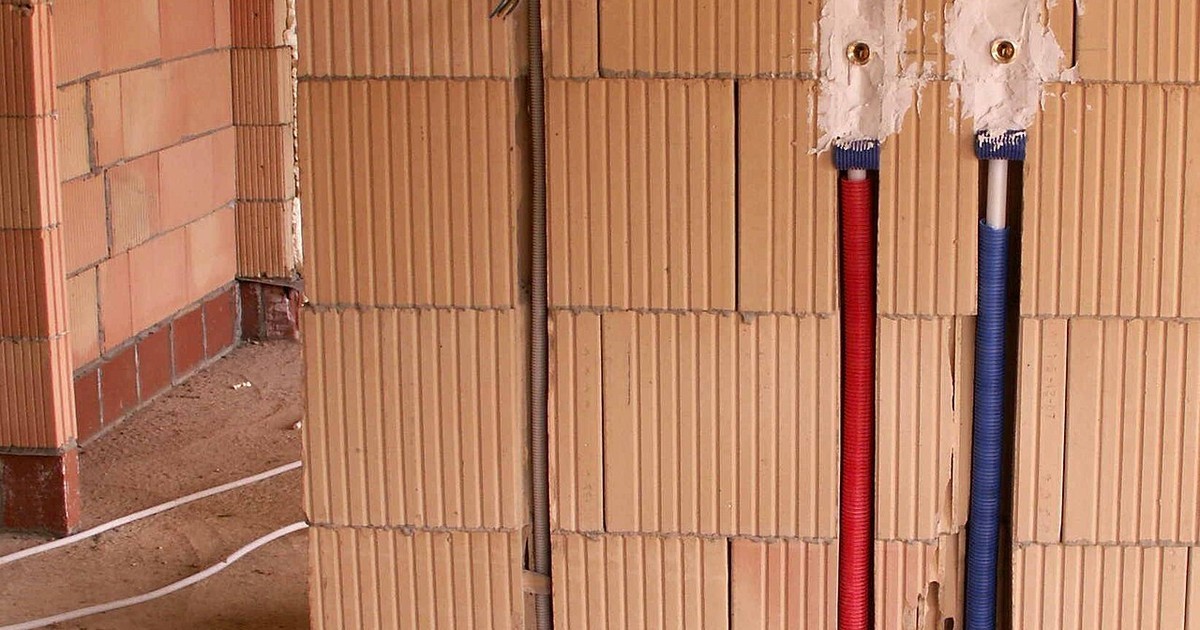
Access, disruption, and what making good involves
Access is where the difference between the two options shows up most clearly. A repair on an exposed pipe in a garage is a short job. The same repair behind a tiled bathroom wall means cutting the tiles, opening the sheet behind them and putting it all back afterwards. Replacing a line that runs through a ceiling may mean lifting and relaying plaster. Under a timber floor, boards come up and go back down, and under tiles or a concrete slab the arithmetic changes again. Outside, a buried main may need a trench dug through a garden bed, a lawn or a paved driveway, then backfilled and compacted. Restorative work is often a separate line in the price, because plastering, tiling, painting and paving sit outside the plumbing trade. Ask who is making good each surface, and whether the quote includes it. A cheaper repair that leaves three holes in the house is not cheaper once the making good is added.
Concealed pipework and slab work
Most of the pipe in a house is concealed, and concealment changes the equation twice over, once in diagnosis and once in repair. Water appearing on a ceiling or at the base of a wall rarely means the leak is there; water travels along a joist or a pipe before it shows. Leak detection is how that gap is closed, using a pressure test, acoustic listening for the sound of escaping water, and sometimes thermal imaging, so the plumber can locate the fault before cutting anything open. On a slab-on-ground home, the supply may run through or under the concrete, and repairing a section there can mean cutting the slab. That is a serious job in a finished floor, and for many slab houses the more sensible answer is to reroute the new line through the ceiling or the walls instead of breaking concrete. Neither option is decided by preference. It is decided by where the pipe actually is.
Strata and shared property
If you live in a unit or a townhouse, part of the pipework is very likely not yours. Risers, lines in shared walls and pipework serving more than one lot are usually common property, and the run of the pipe decides who has to approve the work and who pays for it. That is why the first step in a strata property is a question to the owners corporation or the strata manager about where the pipe sits and what the by-laws require, not a quote. Expect to need written approval before work starts, and expect access to be arranged with neighbours rather than taken. The building's age and material matter just as much here as in a freestanding house, because a block with original galvanised risers has the same failure pattern as an old house, multiplied by the number of units drawing from it. Where the fault sits inside your own lot the work is yours to arrange, but the approvals and the notice to the building still apply.
A practical decision framework
Four questions do most of the work. How many failures have there been, and how close together? A single leak years apart is a repair, while leaks arriving within months of each other point to a system failing. How accessible is the pipe? A run you can reach from a subfloor or a manhole is cheap to renew, while one buried in a slab or behind tiles is expensive to reach, and that cost lands on both options. How long do you plan to stay? A repipe is a long-term investment, and if you are selling in a year, a sound repair with full disclosure may be the sensible call. How widespread is the deterioration? Confined to one run, repair it. Across the whole supply, replace it. Set the cost of repeat callouts against the one-off figure with a written quote that names the scope, the inclusions and what is excluded. Comparing a repair price against a repipe price only means something when both quotes cover the same work.
What a plumber inspects before advising
An inspection is about evidence, not opinion. A licensed plumber looks at the material and the age of the line, the condition of the joints and fittings, and whether the visible pipe matches what the house was built with or has been partly replaced already. Then comes the testing, a pressure test on the water line, flow and pressure readings at the fixtures, and leak detection where water is showing up away from its source. On the waste side, a camera down the line shows whether a recurring problem is the pipe itself or what is going into it, and a blocked drain can be traced the same way. What comes back is a straight answer about whether a repair is genuinely fine or whether the system has reached the end of its useful life. An independent plumber can pressure-test the line before you commit to anything, and will say so when a repair is the right call.
Warranty, insurance and compliance
Water and drainage work in Australia has to be done by a licensed plumber, and some of it has to be certified and notified when it is complete. That is the plumber's obligation, and it is the reason you want the paperwork, not just the invoice. Ask what warranty applies to the parts and to the workmanship, and how long it runs, because those are the terms you rely on if a repaired section fails again. If a leak has caused damage, tell your insurer early and keep the plumber's report, since the cause matters to the claim. For a repipe, keep the record of what was replaced and when. It is useful at a future sale, and it is what an inspection will ask about. An independent plumber will tell you what is covered, for how long, and which parts of the job need certifying. If a job needs certification and you sell later, the buyer's inspector will look for it, and a record that cannot be produced becomes a problem in the negotiation.
Common questions
Which pipe materials most often need a repipe?
Old galvanised steel and some early copper and clay systems corrode and scale over time, and that is when full replacement becomes the economical choice. PEX, modern copper and PVC generally last far longer, so a house already running them is unlikely to need a repipe on material grounds alone.
How long does a whole-home repipe take?
A whole-home repipe can take a few days, depending on the size of the house and how easy the pipe is to reach, and it is usually done with minimal disruption. Concealed runs and awkward access add time, while an exposed run in a subfloor or a garage is quicker to renew.
Can a leaking pipe just be patched?
A temporary clamp or repair coupling can stop a leak in the short term, but a permanent fix usually needs the section replaced. A plumber can advise whether that section is the whole problem or one of several failures, which decides whether patching it is worth doing.
Is a repipe always the better option?
No. A single accessible leak on pipe that is otherwise sound is a repair, and an honest plumber will say so rather than sell a full replacement. A repipe makes more sense when leaks keep returning, pressure is poor throughout, or the material is original and deteriorating.
Need a licensed plumber in Sydney?
Tell us what's going on and a local plumber will get back to you fast.
Get my free quoteGet a free quote
Tell us what you need and a local, licensed plumber in Sydney will call you back. No obligation.
- Local, licensed plumbers
- Fast response — incl. emergencies
- Free quote, you choose who to hire