Pipe Relining Cost Sydney 2026: When It Beats Digging Up the Yard
Pipe relining sounds simple: keep the old pipe in the ground and build a new lining inside it. In a Sydney home, the quote depends on access, pipe length, bends, tree roots, pipe collapse and whether the plumber can prove the line is suitable first. This guide explains what changes the price, what a licensed plumber should check, and when excavation is still the safer call.
What pipe relining does
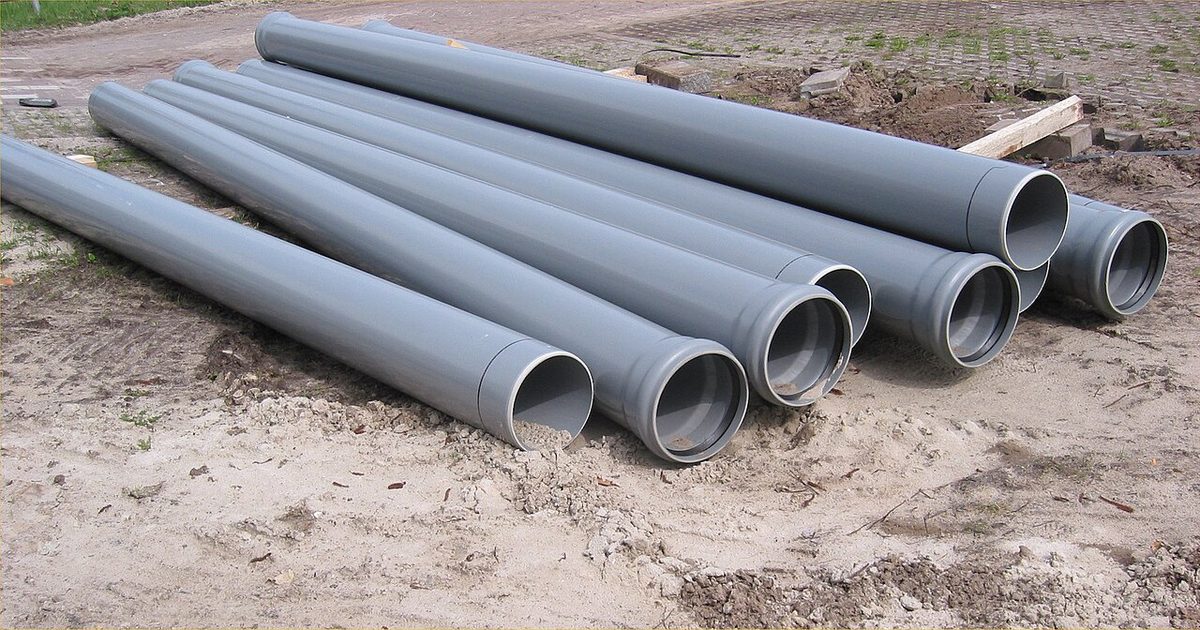
Pipe relining repairs a damaged drain from the inside. A licensed plumber cleans the line, checks the pipe with CCTV, prepares the damaged section and installs a liner that cures inside the old pipe. The result is a new internal surface without opening a long trench through paving, garden beds or a driveway. It is often discussed for cracked earthenware drains, root entry, small displaced joints and repeated blocked drain problems. It is not a magic fix for every pipe. If a section has collapsed, has heavy belly, has missing pipe, or cannot be cleaned properly, the lining may not bond or sit correctly. That is why a proper pipe inspection comes before the quote. Ask for the diagnosis in plain English, not only the relining recommendation. You want to know where the fault is, how long the affected run is, and whether the plumber has ruled out a cheaper drain cleaning or spot repair first.
Why Sydney quotes vary so much
There is no useful one-size price for pipe relining because the job is priced around risk and access. A short, straight section near an inspection opening is very different from a long run under a concrete driveway with several bends. The quote may change with pipe diameter, depth, cleaning time, the number of access points, the length being lined, curing method, traffic control, disposal, and whether the crew needs to remove thick tree roots before lining. Sydney homes also vary by age and suburb. Older clay or earthenware drains are common in established streets with mature trees, while renovated homes may have mixed materials joined over decades. A fair written quote should explain the fault, the proposed length, the access plan, what is included, and what could change once the pipe is cleaned or exposed. Treat a quick phone estimate as a starting point only.
Start with CCTV, not a sales pitch
A CCTV drain inspection gives the quote its basis. The camera should show the location of cracks, root entry, offsets, bellies, junctions and any collapse. If the plumber cannot show what they are lining, you are being asked to buy blind. Ask whether the quote includes CCTV before and after the work. The first camera pass explains the problem; the second confirms the liner has cured in the right place and that the drain flows. A licensed PlumbnShine plumber can also explain whether the issue is in a private house drain, a boundary area, or a section that may need different approval or coordination. Keep a copy of the camera findings where possible. It helps if you want a second quote, and it gives you a record if the blockage returns later.
When relining is a strong option
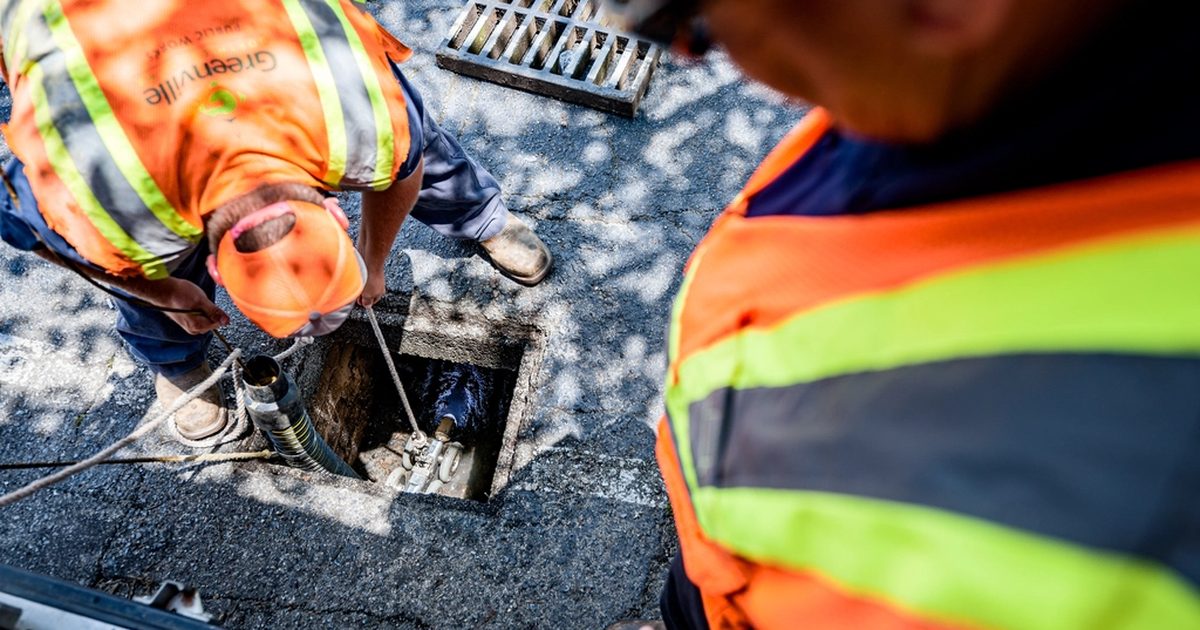
Relining is strongest when the pipe shape is still mostly intact but the internal surface has failed. Common examples include recurring tree-root entry at joints, small cracks in a section under paving, and drains that block in the same spot after repeated clearing. It also makes sense when digging would destroy expensive surfaces or create extra disruption, such as tiled paths, landscaped courtyards, driveways or tight side passages. The saving is not only the plumbing work. It may be the avoided cost of cutting concrete, removing plants, restoring paving and managing a muddy excavation beside the house. That said, the avoided mess should not be the only reason to choose it. If the camera shows a severe sag where water sits, a crushed pipe, or a badly misaligned run, lining may leave the underlying drainage problem in place.
When digging may be the better choice
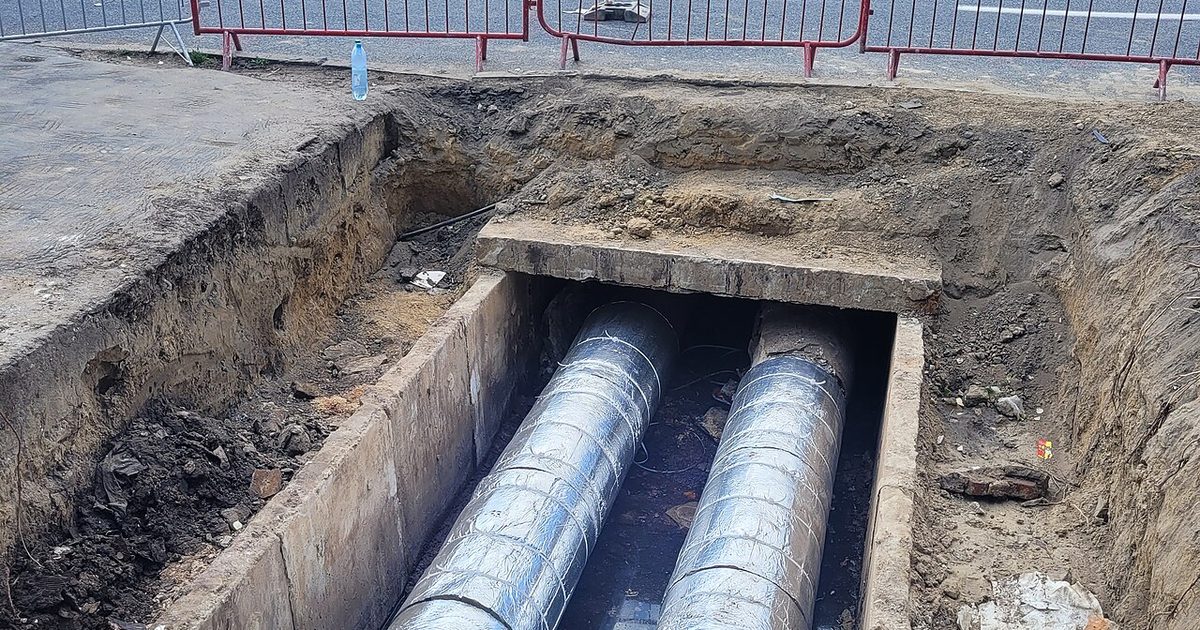
Excavation can be the better repair when the pipe has collapsed, moved badly, or lost fall. A liner follows the path of the existing pipe, so it cannot turn a sagging drain into a properly graded drain. Digging may also be cleaner when the damaged section is short, shallow and easy to reach. For example, a small break in a garden bed near an inspection opening may be cheaper to expose and replace than to set up a relining job. Digging also lets the plumber replace junctions, repair surrounding fittings and confirm the condition of the trench. The downside is surface damage and reinstatement. Before you decide, compare the full cost of both options, not just the plumbing line on the quote. Include concrete cutting, soil removal, paving repair, garden repair and the time your bathroom or kitchen drain may be out of action.
What a good written quote should include
A useful written quote should name the drain section, the pipe size if known, the approximate length to be lined, the access points, the preparation work, the liner system, the expected curing approach and the clean-up. It should also state whether jetting, root cutting, CCTV footage, after-work inspection and any certificates or reports are included. Ask what happens if the pipe condition changes once cleaning starts. A fair plumber will explain the limits before work begins, rather than using vague wording that turns every discovery into a variation. For larger work, written scope matters because plumbing and drainage work in NSW sits within a licensed trade framework and may involve compliance documents for regulated work. Do not rely on a verbal quote for a drain repair that could affect floors, paving, landscaping or neighbouring services.
Questions to ask before approving relining
Before you approve the job, ask five direct questions. What defect did the camera find? Where is it located? Why is relining better than a spot excavation here? What could make the quote change? What proof will I receive when the job is finished? If the answer is full of trade language, ask the plumber to point to the camera image and explain it like a householder would describe it. You should also ask how long the drain will be out of service, whether toilets, showers or the kitchen sink can be used during curing, and what to avoid for the first day after the job. Good planning prevents the common household problem: someone books a drain repair, then discovers the only toilet is unavailable while everyone is home.
Red flags in a relining quote
Be careful with any quote that promises relining before seeing the pipe, refuses to show camera evidence, or gives a single lump sum with no scope. Also watch for pressure tactics such as same-day discounts, claims that every cracked pipe needs relining, or a refusal to discuss excavation as an option. Another red flag is a quote that ignores the cause of the damage. If roots entered the drain, where did they enter, and has the affected section been addressed? If the pipe has moved, why did it move, and will lining solve that? A cheap quote may also exclude reinstatement, after-work CCTV or extra cleaning passes. Ask for exclusions in writing. A higher quote with a clear scope can be safer than a lower quote that leaves the hard parts undefined.
How to compare two Sydney quotes
Line up the quotes by scope rather than total price. Compare the length of pipe included, the access method, whether CCTV is included before and after, whether cleaning is included, what warranty language covers, and what each plumber excludes. If one quote is much cheaper, check whether it covers only a small patch while the other covers a longer damaged section. If one quote is much higher, ask whether it includes excavation, reinstatement, traffic control, reports or extra access work the other plumber left out. You can also ask each plumber what they would do if it were their home and why. The best answer is not always the cheapest or the most technical. It is the option that fixes the cause with the least unnecessary damage and leaves you with proof of the finished repair.
Pros and cons of pipe relining
Pros: relining can reduce excavation, protect paving and gardens, shorten disruption and repair difficult-to-reach drain sections. It can be a strong option for recurring root entry or cracks where the pipe still has the right shape. It also gives the homeowner before-and-after camera evidence when the plumber documents the job properly. Cons: it is not suitable for every damaged drain, and it can be poor value if a short shallow repair would do the job. It cannot fix bad fall, severe bellies or a collapsed section. The quote may also look higher than a basic drain clear because it includes specialised preparation, materials and inspection. The right decision comes from the CCTV findings, not from the label on the service.
What to do after the repair
Keep the report, invoice and any camera footage with your home records. Ask the plumber what habits will reduce the chance of another blocked drain, such as limiting fats and wipes, checking tree-root pressure near the line, and booking maintenance if the property has a known root problem. If the repair was near an old section, ask whether the rest of the line needs future monitoring or whether the fault was isolated. A licensed PlumbnShine plumber can help you separate urgent defects from watch-list items, so you do not replace more pipe than needed. If you are renovating later, keep the drain information handy. Knowing where past repairs sit can save time when new bathrooms, laundries or outdoor drainage are planned.
Bottom line for Sydney homeowners
Pipe relining is worth pricing when the drain keeps blocking in the same place, the pipe is cracked but not collapsed, and excavation would damage expensive surfaces. It is less convincing when the fault is shallow, short, collapsed or caused by poor pipe fall. The safest next step is a clear inspection, an itemised written quote and a plain comparison against excavation. Do not approve relining because it sounds modern, and do not reject it because digging feels more traditional. Choose the repair that matches the pipe condition, the access and the long-term risk to the home.
Common questions
Is pipe relining cheaper than digging up a drain?
Sometimes. It can be cheaper once you include concrete cutting, paving repair, landscaping and disruption, but a short shallow repair may cost less to excavate. Compare written quotes with the same scope.
Do I need CCTV before pipe relining?
Yes. CCTV shows whether the pipe is suitable, where the defect sits and how much line needs repair. It also helps you compare quotes fairly.
Can relining fix tree roots in drains?
It can repair sections where roots enter through cracks or joints, provided the pipe is still structurally suitable. The line needs cleaning and inspection first.
Should I get more than one quote?
For a larger drain repair, yes. Ask each plumber for the camera findings, scope, exclusions, warranty wording and whether excavation is a realistic alternative.
Need a licensed plumber in Sydney?
Tell us what's going on and a local plumber will get back to you fast.
Get my free quoteGet a free quote
Tell us what you need and a local, licensed plumber in Sydney will call you back. No obligation.
- Local, licensed plumbers
- Fast response — incl. emergencies
- Free quote, you choose who to hire