How to Unblock a Drain (DIY Steps Before You Call)
A slow or blocked drain is one of the most common callouts a plumber gets, and plenty of them are fixable with basic steps and tools you already own. This guide walks the safe DIY options in the order that works, explains how to read what the blockage is telling you, and flags the signs that mean you should stop and call a licensed professional. It is written for Sydney homes with standard PVC or copper waste pipe, and for the older properties still running clay and earthenware drainage.
Work out which fixture is blocked, and how many
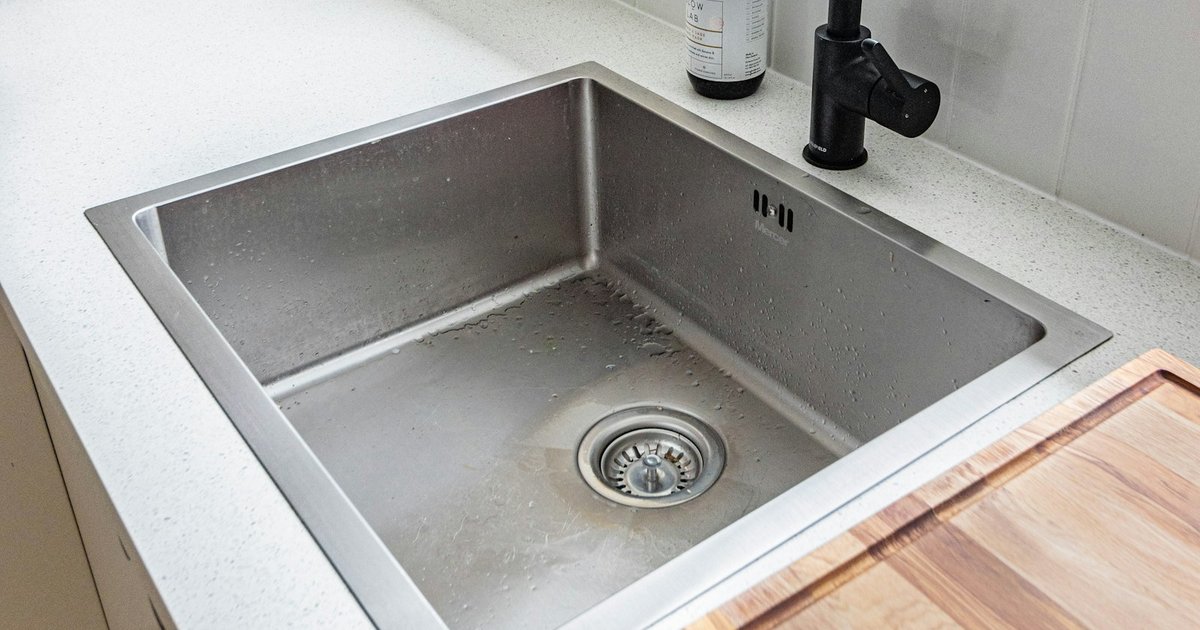
Diagnosis comes before tools. Find out which fixture is blocked and whether anything else is affected, because that one observation tells you most of what you need to know. If one sink, basin, shower, laundry tub or toilet is slow on its own, the blockage is usually close to that fixture, in its trap or the branch line immediately behind it, and it is often something you can clear from the fixture itself. If two or more fixtures are slow or backing up at once, the problem is further down, on a shared branch or on the main drain, and clearing from one fixture will not fix it. A laundry tub and a nearby floor waste rising at the same time points to the line those two share. Every fixture in the house reacting when you flush a toilet, or water rising in a shower while the washing machine drains, means the main. Note which fixtures are affected and in what order, so you can describe it later.
Gurgling, slow drains and the smell test
Gurgling and slow drains are the early warning signs, and they are worth acting on before a drain blocks completely. A gurgle is air being pulled through water that should be running freely, which usually means the line is partly blocked or the vent is not drawing as it should. A drain that takes longer than it used to, or a toilet that no longer clears first time, says the same thing. Then there is the smell test. A sewer smell coming up through a fixture or a floor waste means the water seal in that trap has been lost or pulled out, and that gas is getting past it. A drain odour in a kitchen often marks the start of a grease and food build-up in that line. If the smell is strong, if it only appears when you run water somewhere else, or if it arrives together with gurgling, the blockage is in the line rather than at the fixture. Keep that as evidence for the next step.
P-traps, floor wastes and why they matter
Two parts of your drainage matter most in a domestic blockage, and knowing them tells you what to clear. A P-trap is the curved section of pipe under a sink or basin that holds a small amount of water after each use. That water seal stops sewer gas coming back into the room, and the curve is also where many blockages sit, because hair, soap scum, food and grease collect in the dip. When one sink drains slowly and nothing else does, the P-trap is the first place to look, and you can often reach it by unscrewing the trap below the sink with a bucket underneath. The blockage is frequently visible there. A floor waste is the grated drain set into a bathroom, laundry or balcony floor, connected into the same system. A floor waste that gurgles, smells or backs up is usually telling you about the line below the floor, not that room. If a fixture and its nearby floor waste are both misbehaving, the problem is past the fixture and into the branch.
Try the plunger first
A plunger is the cheapest first move, and it is the right one for most blockages where you can see water sitting in the fixture. For a sink, basin, bath or laundry tub, block the overflow first, then cover the drain with the cup and pump firmly and evenly. Blocking the overflow matters, because without it the plunger pushes air back up through the overflow instead of moving water down the pipe. Keep a seal of water over the cup as you work. Several firm strokes are usually enough to shift a surface blockage without any chemicals, and you can repeat the sequence a few times. For a toilet, use a dedicated flange plunger, because the shape of the bowl and the trapway needs the folding skirt to seal properly rather than the flat cup used on a sink. Do not use a toilet plunger in a sink, or the other way around. If a basin is full to the brim, bail some water out first.
Hot water, baking soda and vinegar
A common version of this home remedy calls for a kettle of boiling water poured straight down the drain, then half a cup of baking soda followed by a cup of vinegar. The fizz that follows can help break down soap scum and light grease. The one change we would make is the water temperature. Use hot water, as hot as it comes from the tap, rather than boiling. Boiling water can soften and deform PVC waste pipe and the solvent joints holding it together, crack an older ceramic fixture, and disturb the wax seal under a toilet. So pour the hot water down first, then the half cup of baking soda, then the cup of vinegar. Leave it for 15 minutes, then flush with more hot water to carry the loosened material away. This method works on grease, soap and soft food residue. It will not clear hair, a solid object or anything further down the line, and it is no treatment for a main drain.
A drain snake, a wet/dry vacuum, and where chemicals fit
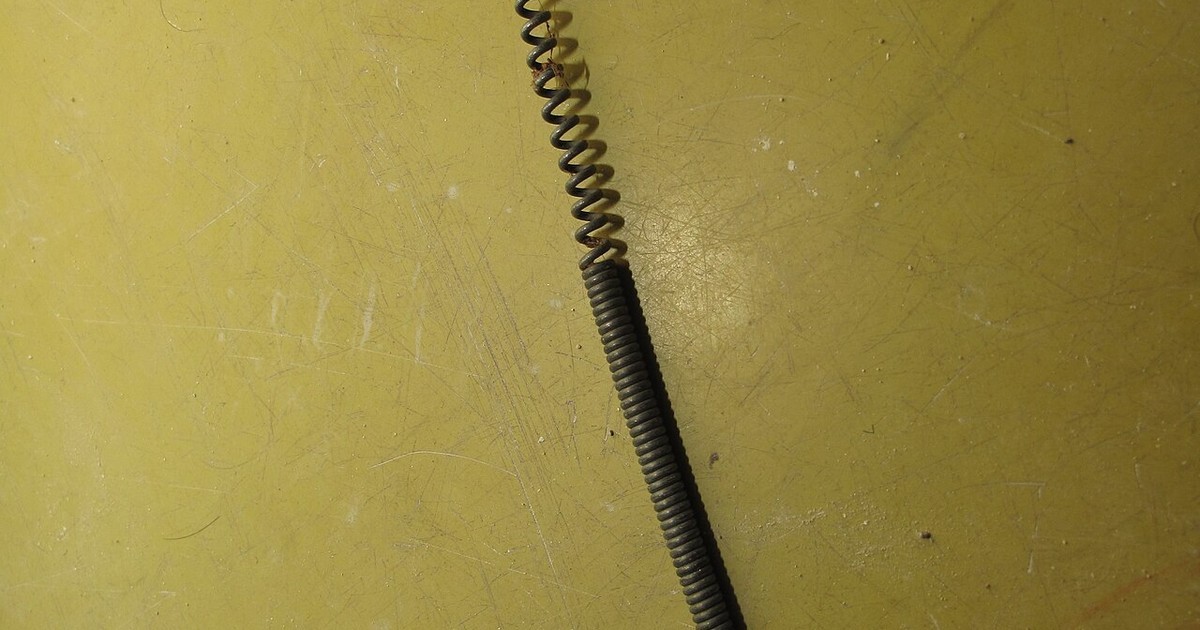
A drain snake is the next step up, and it is the tool for a blockage you can feel but cannot shift. A hand-operated snake is a flexible steel cable you feed in and turn, so the head hooks or breaks up what is there instead of pushing it further along. Use the smallest head first, feed slowly, and stop at solid resistance, because forcing a snake can damage the pipe or pack the blockage tighter. A wet/dry vacuum works from the other direction. Remove the strainer, cover the overflow, hold the hose tight over the drain and pull the blockage back in short bursts. Chemicals come last, not first. Off-the-shelf cleaners can be effective, but they are harsh on pipes and on the environment, and they are genuinely dangerous to mix. Caustic and acidic products must never be combined, because the reaction can release dangerous fumes and violent heat. Never mix brands, never pour one product on top of another, and do not put a snake into a drain that has just had a chemical in it. Never run a garden hose or compressed air into a drain you cannot see the end of.
When to stop and call a licensed plumber
Some blockages are not a DIY job, and this list exists to stop you making things worse. Stop and call a licensed plumber if the blockage keeps coming back in the same drain, because a recurring clog usually means a partial blockage, a damaged pipe or roots rather than simple build-up. Stop if several fixtures are backing up at once, or if water is rising in other drains, since that points to the main line. Stop immediately if sewage is backing up into the house. That is a health issue rather than a plumbing inconvenience, so keep everyone clear of it and call a professional. Anything involving a toilet deserves a licensed plumber, particularly if the pan is backing up or the blockage keeps returning. Tree roots in a line need a camera and a cutter. And older clay or earthenware pipes, still common on older Sydney properties, crack and shift with ground movement, so they need assessment rather than force.
What a licensed plumber does
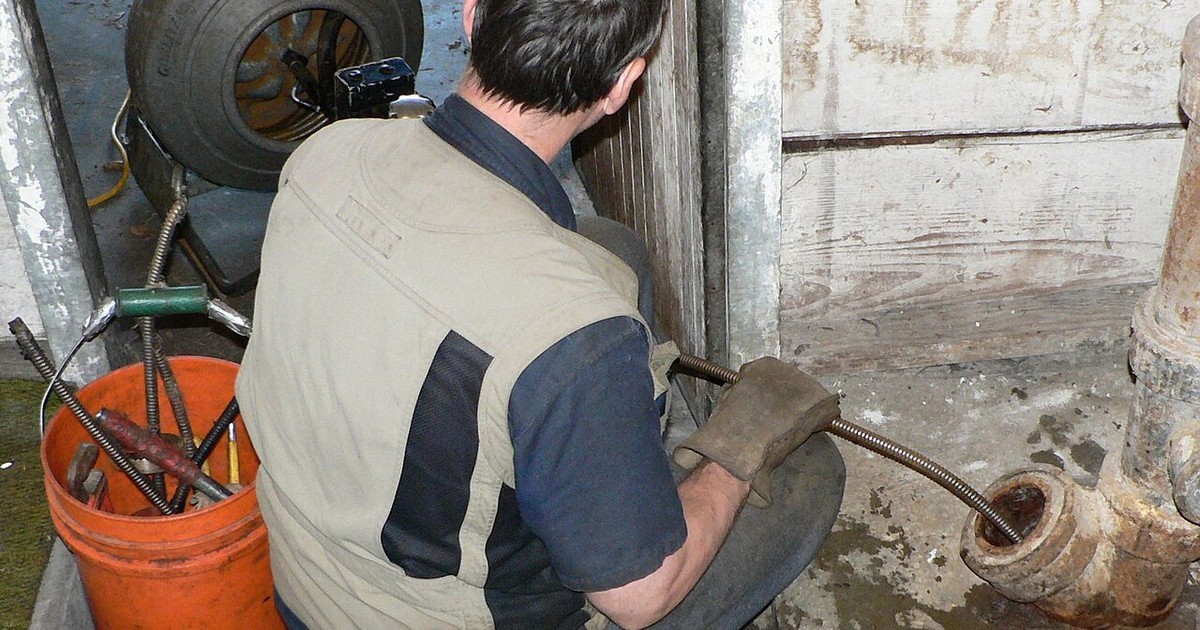
A plumber clears stubborn clogs with a drain snake, hydro-jetting, which is water delivered at high pressure, and a camera inspection to find the actual cause rather than the symptom. For a main-line back-up or recurring clogs, that is worth the cost compared with repeated DIY attempts. Hydro-jetting scours the full bore of the pipe, which is why it handles grease, scale and roots that a snake only punches through. A camera inspection shows what is really there: a rough patch of old pipe, an offset joint, a cracked section or roots pushing in at a connection. It is also how a plumber decides between clearing the line and repairing it, since a pipe repair is a different job from a drain clean. If the problem is not where anyone expected, leak detection narrows it down, and a toilet repair can be handled in the same visit. If it backs up again, an independent plumber can camera the line and tell you what it is.
What it costs, and what drives the price
For a simple sink clog, indicative pricing is around $120 to $400, and more for main-line work or a camera inspection. Beyond that, no two jobs are the same, and the figure depends on the job rather than the symptom. Whether the blockage sits at a fixture or in the main line is the first factor. Access is the second. A reachable trap under a sink is quick work, while a line that has to be found and opened somewhere in the yard takes considerably longer. Whether the cause has to be diagnosed with a camera, and whether the fix is a clean or a pipe repair, changes the time involved again. After-hours and weekend rates are usually charged differently from standard hours, which is the trade-off you are making when water will not stop. Disposal of what comes out of the line, and making good afterwards, can sit inside or outside the price. Ask for a written quote that names what is included. Our drain-cleaning cost guide has the fuller breakdown.
Keeping your drains clear
Most of the drains you clear today will block again unless you change what goes into them. Cooking fat is the main offender in a kitchen sink. Poured down hot, it looks like it behaves, then it cools, sets hard somewhere in the cooler part of the pipe and catches everything that follows it. Pour it into a container or the bin, wipe greasy pans before washing, and run hot water after cooking anything fatty. Coffee grounds, rice, pasta, flour, eggshell and food scraps settle and set in the same way, so a drain strainer is the cheapest plumbing you will ever buy. In the bathroom, a hair catcher over the basin and shower waste saves you a trap job. In the laundry, fit a lint filter on the washing machine hose. A toilet is not a bin, so no wipes, cotton buds, sanitary products, oils or food, including the ones labelled flushable. Then keep the line moving: a full kettle of hot water down the kitchen sink once a week carries grease along before it sets. If a drain is still playing up after that, a licensed plumber can check it properly.
Common questions
Can I use chemical drain cleaners?
They can be effective, but they are harsh on pipes and the environment, and they are dangerous to mix. Prefer mechanical methods such as the plunger or a snake. If you do use one, never mix brands, never combine a caustic with an acidic product, and rinse the drain thoroughly afterwards.
Why does the same drain keep clogging?
Often there is a partial blockage or a pipe issue deeper in the line, so the symptom clears while the cause stays. A camera inspection finds the cause rather than re-clearing the symptom, which is why repeated DIY attempts on the same clog are usually money spent twice.
How do I know it is a main-line blockage?
If several fixtures are backing up at once, or water rises in one drain when you use another, the blockage is downstream of them, on a shared branch or the main. Gurgling in multiple fixtures and a sewer smell are the same message. That is a professional job.
When should I call a licensed plumber?
Call one for repeated blockages, several fixtures backing up together, sewage coming back into the house, anything involving a toilet, tree roots in the line, or older clay and earthenware pipes. Sewage backing up is a health issue rather than a plumbing inconvenience, so keep everyone clear of it and ring straight away.
Need a licensed plumber in Sydney?
Tell us what's going on and a local plumber will get back to you fast.
Get my free quoteGet a free quote
Tell us what you need and a local, licensed plumber in Sydney will call you back. No obligation.
- Local, licensed plumbers
- Fast response — incl. emergencies
- Free quote, you choose who to hire