Hot Water System Warning Signs: When Replacement Makes Sense
How long does a hot water system last? Most Sydney homeowners ask only after the shower turns cold, the cylinder leaks, or a replacement turns out to be more involved than expected. The useful answer is not one fixed age. It depends on the system type, water quality, maintenance history, access, usage and whether the old unit is starting to fail in ways that make repair poor value.
The short answer
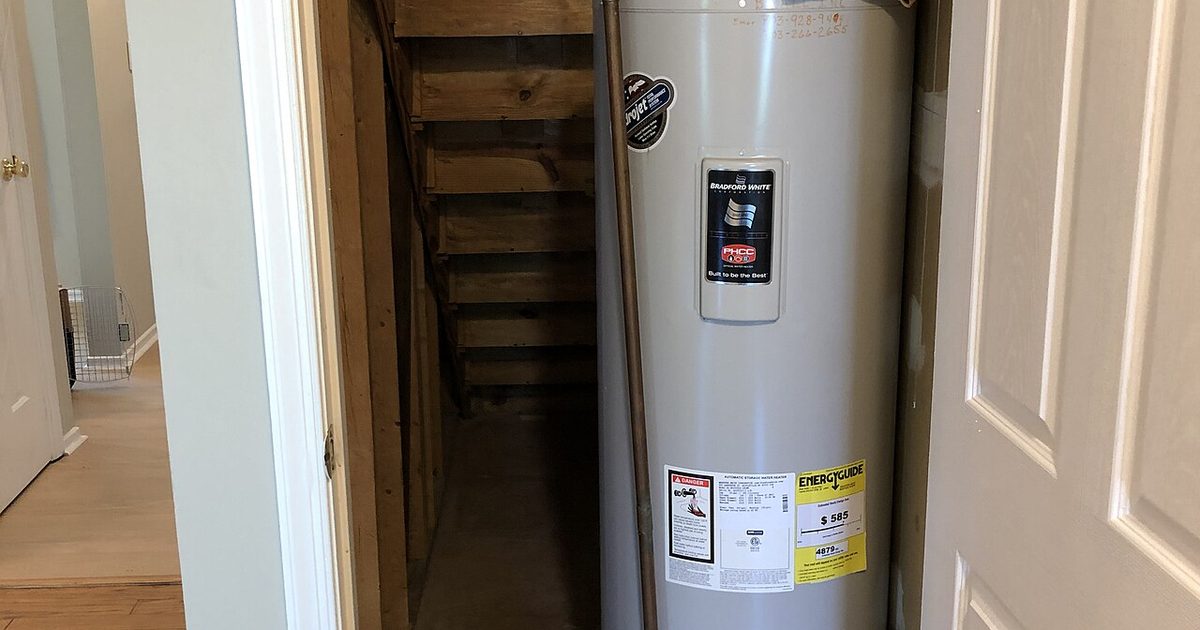
A hot water system's life is not set by a single number, and no honest answer is one figure that fits every home. What decides it is the type of unit, how hard it works, the water it heats, and whether small faults get fixed before they spread. A storage tank ages from the inside out as its lining and element or burner wear. A continuous-flow unit ages through its heat exchanger and controls. A heat pump adds a compressor and fan that wear like any refrigeration equipment. A solar system ages across its cylinder, panels, pump and controller. What you can act on is the pattern rather than a date: a unit that has started needing repairs, recovering slowly, or running longer to reach the same temperature is telling you its working life is shortening. The useful question is not how many years it should last, but whether it is still reliable enough to keep — or old enough, and costly enough to run, that another repair is money spent on borrowed time.
Why age alone is not enough
Age gives context, but condition decides the next step. Two systems installed in the same year can behave very differently. One may have clean pipework, easy access, sound valves and steady household demand. The other may sit in a cramped cupboard, serve a busy home, show rust at the base and leak from fittings that have been disturbed more than once. The second unit carries more risk even if it is not older on paper. When an independent plumber checks a hot water system, the useful signs are visible corrosion, leaks, noisy operation, recovery time, water temperature changes, error codes, valve condition and how safely the unit can be accessed. Those clues tell you whether a repair is likely to buy useful time or delay a replacement you will soon need anyway.
How each system type ages
Electric storage. The tank lining and the heating element age first. The early signs are slower recovery and a unit that needs an element or thermostat replaced more than once. Once the tank itself weeps, or the base stays damp, patching is usually short-lived. Gas storage. The same tank-age question applies, with the burner and flue on top of it. Watch for uneven heating, a yellowing flame, sooting, or a unit that keeps tripping. That work is trade work, so weigh it into the repair-or-replace decision. Continuous-flow gas. There is no stored tank, so the heat exchanger and controls carry the wear. Signs are temperature that fluctuates, error codes, or ignition that takes longer than it used to. In a hard-water area, a scaled heat exchanger is the usual cause. Heat pump. A compressor and fan sit on top of a storage tank, so these units age in two ways at once. Signs are longer run times, more noise, or a unit leaning on backup heating more often. Diagnosis is more specialised, so a specialist call-out belongs in the timing decision. Solar hot water. The cylinder ages as any storage tank does, while the panels, pump and controller add their own failure points. The clearest sign is a booster running far more often than it used to, or a pump that has gone quiet. Across every type the pattern is the same: the unit warns you before it fails outright, and the warning is a change in how it performs rather than a date stamped on the tank.
Warning signs the system is near the end
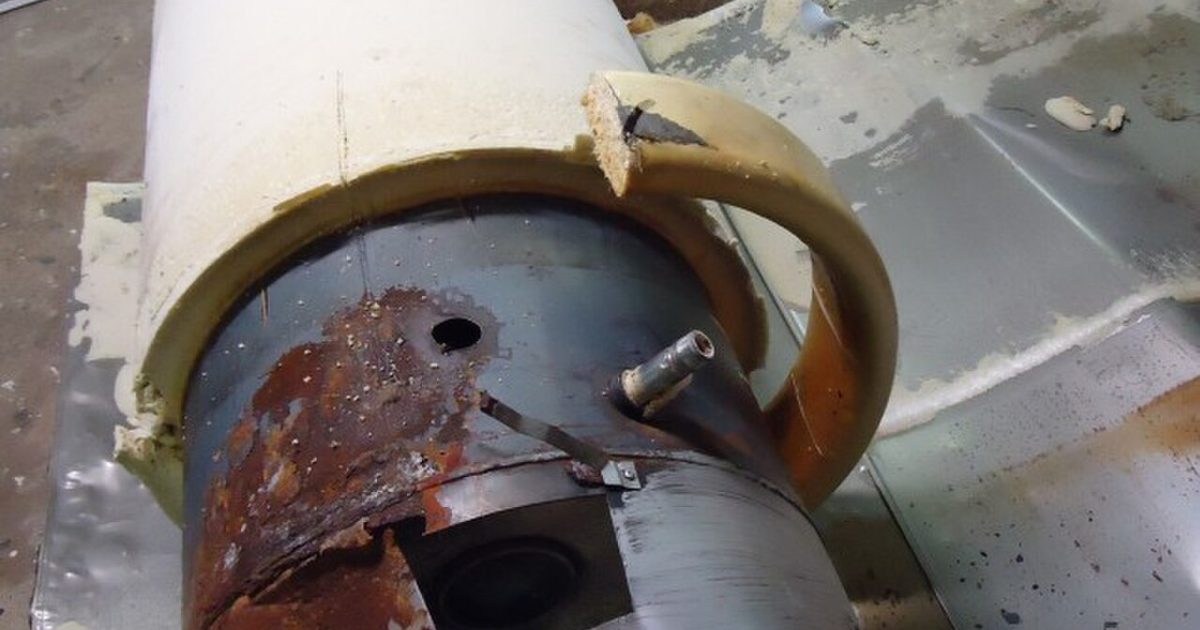
Watch for rusty water from hot taps, water pooling near the base, repeated pilot or ignition faults, tripping power, new banging or rumbling, long recovery times, pressure relief valve discharge, error codes that return after reset, and temperature swings during normal use. One symptom may have a simple cause. Several symptoms together are different. A leaking tank is usually a stronger replacement signal than a single failed valve, because the tank is the core of the unit. Rust around the base or seams also deserves quick attention. If you are using the boost, reset button or pilot relight as part of the weekly routine, the system is telling you it is no longer dependable. That is when a written replacement quote helps you compare the cost of acting now against another callout soon.
Repair or replace: the practical test
Start with three questions. How old is the system? What exactly failed? What would still be old after the repair? Replacing a valve on a relatively young, sound unit can make sense. Spending heavily on a very old tank with corrosion, poor recovery and awkward access often does not. Also consider the household impact. If the home has young children, guests, shift workers or only one bathroom, repeated hot water failures are more than an annoyance. Repair may still be the right call when the fault is minor and the system has been reliable. Replacement makes more sense when the unit is old, the failure affects the tank or burner assembly, parts are hard to source, or the quote approaches a meaningful share of a new installed system.
What a replacement quote includes
A hot water replacement quote should cover more than the unit box. Ask whether it includes removal and disposal of the old system, new valves if needed, tempering valve work, drain line changes, pipe alterations, gas or electrical coordination, wall brackets or base work, access issues, testing, cleanup and after-hours loading if the job is urgent. The same model can cost different amounts in two homes because access changes the labour. A garage unit with clear space is not the same as a tank boxed into a tight laundry cupboard. The written quote should also say whether the job is like-for-like or whether the fuel type, location, capacity or pipework changes. Those changes are often where the price moves.
Capacity matters as much as age
A system that is too small feels old before it is worn out. If the hot water runs cold every morning, the household may have outgrown the unit. More people, longer showers, a new ensuite, a dishwasher, frequent laundry or guests can change demand. Before you replace like-for-like, check whether the old size was ever right for the home. Bigger is not always better, because a larger storage unit can cost more to buy and may waste energy if demand is modest. Continuous-flow systems also need correct sizing so they can handle simultaneous use. A good quote asks about bathrooms, shower habits, peak use, available space and whether the current problem is failure, shortage or running cost.
Location and access change the cost
Where the system sits can affect both lifespan and replacement price. Outdoor units face weather, sun and coastal air. Indoor cupboards can trap heat or moisture if ventilation is poor. Roof-mounted and awkwardly placed solar components add access planning. Tight spaces slow removal, especially if the old unit was installed before cabinets, shelves or doors were changed. Stairs, narrow side paths, apartment parking and long carries also add time. If a quote looks higher than a neighbour's, access may be the reason. Send photos before booking: front of the unit, labels, valves, pipework, base, nearby power or gas points, and the path from the street. Clear photos help the plumber spot likely cost triggers before arriving.
Running cost is part of the timing decision
Replacement timing is not only about breakdown risk. Some homeowners replace earlier because the old system is expensive to run, slow to recover or no longer suits the household. Electric storage can be simple and familiar, but heat pump or gas options may suit some homes better depending on site conditions and energy preferences. Solar can make sense where roof position, storage and budget line up. The right answer is site-specific. Treat running cost claims carefully unless they are tied to your usage, tariff and system size. For a practical decision, compare installed cost, expected use, space, noise, recovery speed, household routine and the likelihood of needing extra trades. The cheapest unit on the day may not be the cheapest choice over years of use.
What to do before the plumber arrives
Write down the brand, model if visible, approximate age, fault symptoms and when they started. Note whether the issue affects every hot tap or only one fixture. Take photos of leaks, rust, valves, labels, the base, access path and any error code. Do not keep resetting a system that trips, smells odd, leaks heavily or behaves unpredictably. If water is near power points or appliances, keep clear and explain that when booking. Ask for the quote in writing and ask what could change the price once the old unit is disconnected. That conversation protects both sides: you know what you are approving, and the plumber knows what conditions might turn a simple replacement into a longer job.
How to avoid a panic replacement
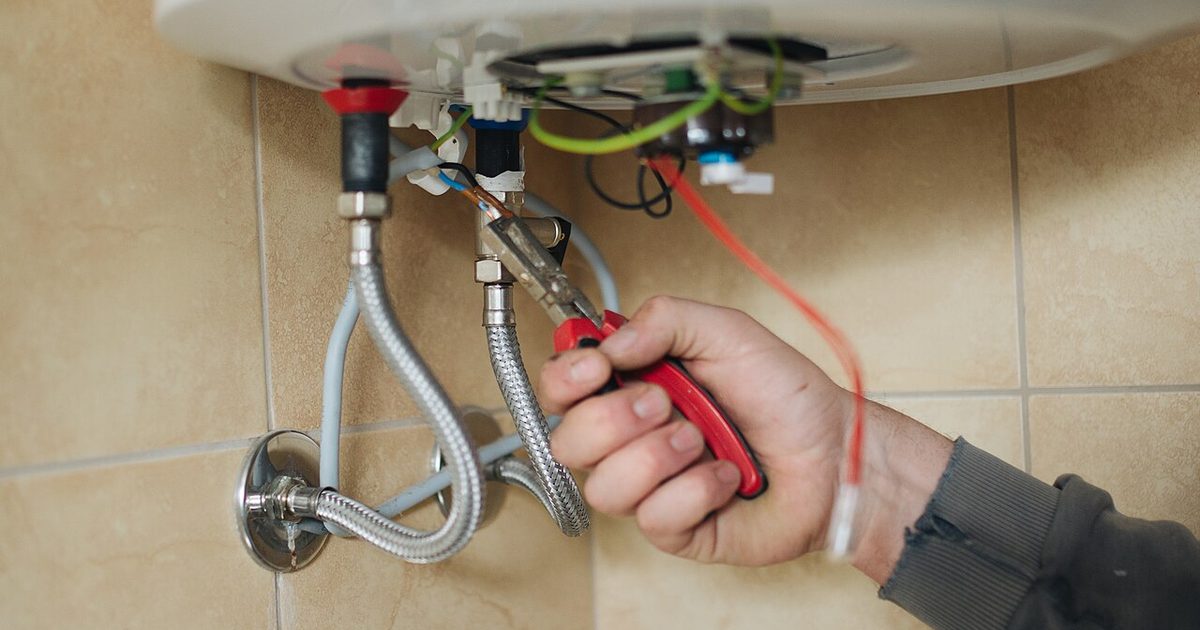
The best time to compare options is before the tank fails on a winter morning. If your system is in the later part of its expected life, book an inspection when it is still working. You can ask whether the valves, base, connections and access look sound, whether the capacity still fits the home, and what a likely replacement would involve. That gives you time to compare a like-for-like swap with a better-suited option. It also lets you budget for extras such as difficult removal, pipe changes or electrical work instead of finding out while the home has no hot water. A planned replacement is calmer, cleaner and easier to quote than an urgent failure.
What the replacement day involves
Most like-for-like replacements are finished within a day. The plumber isolates and drains the old unit, disconnects the water and the power or gas connection, removes the old system and checks the base and the surrounding pipework before the new unit goes in. New valves, flexible connections and a tempering valve are often fitted at the same time, because reusing old fittings is where call-backs start. The unit is then filled, purged, connected and commissioned, and the hot water is run until it reaches temperature. Before the van leaves, ask for the commissioning steps and any settings to be explained, and confirm how the old unit and its packaging will be taken away — settle that when you accept the quote, not on the day. If access is tight, ask where the old unit will be moved to before it is disconnected.
Common questions
How do I know the age of my hot water system?
Check the label or data plate for a manufacture date, serial number or installation sticker. If you cannot read it, send a clear photo to the plumber. They may be able to estimate the age from the model and condition.
Should I repair a ten-year-old hot water system?
It depends on the fault and condition. A small valve issue on a clean, reliable system may be worth repairing. A leaking, rusty or unreliable tank near that age is often better quoted for replacement.
What makes a hot water replacement quote higher?
Access, capacity changes, old-unit removal, new valves, gas or electrical coordination, pipe alterations, after-hours work and difficult locations can all move the quote. Ask for those items to be shown clearly.
Can I keep using a leaking hot water system?
A small drip may look harmless, but leaks can worsen and damage nearby surfaces. If the tank, valves or base are leaking, stop guessing, keep the area clear and arrange a prompt inspection.
Need a licensed plumber in Sydney?
Tell us what's going on and a local plumber will get back to you fast.
Get my free quoteGet a free quote
Tell us what you need and a local, licensed plumber in Sydney will call you back. No obligation.
- Local, licensed plumbers
- Fast response — incl. emergencies
- Free quote, you choose who to hire