Hot Water System Maintenance Checklist for Sydney Homes
Hot water failures rarely arrive at a convenient time. A tank may leak overnight, a tempering valve may start playing up before school, or the shower may run cold just as winter hits. This checklist shows what Sydney homeowners can safely watch, what belongs with a licensed plumber, and how to ask for a written quote before a small service turns into a rushed replacement.
Start with age, location and symptoms
Write down the system age, brand, model, fuel type and location before you book any hot water system service. A plumber can make better decisions when they know whether the unit is a gas storage tank, electric storage tank, heat pump, solar system or continuous-flow unit. Age matters because a small fault on a young unit can be worth repairing, while the same fault on an old tank may point toward replacement. Location matters too. A heater on a roof, in a tight laundry cupboard, beside a boundary fence or in a strata plant room changes access, safety and labour. Note the symptoms in plain terms: lukewarm water, no hot water, rusty water, a pilot light that will not stay on, water near the base, a noisy tank, or a relief valve that keeps discharging. Photos of the data plate, pipework and any puddle help turn a vague phone call into a more accurate first quote.
Monthly homeowner checks that are safe
Once a month, walk around the unit and look for early warning signs. Check for puddles, rusty streaks, green staining on copper, swollen timber nearby, damp plaster, loose insulation, insect nests around outdoor units and anything leaning against vents or valves. Listen for banging, hissing or boiling sounds when the unit reheats. Look at the hot taps inside the home and note whether the water colour changes after the system has been idle overnight. These checks do not require tools and do not require you to open electrical covers, gas fittings or sealed parts. If you see water from the tank body, turn the power or gas off if it is safe and call an emergency plumber. If the water is coming from a discharge pipe, do not block it. That pipe is part of the safety system. A licensed PlumbnShine plumber can check whether the valve is doing its job or whether pressure, heat or a failed part is causing waste.
Relief valves need respect, not guesswork
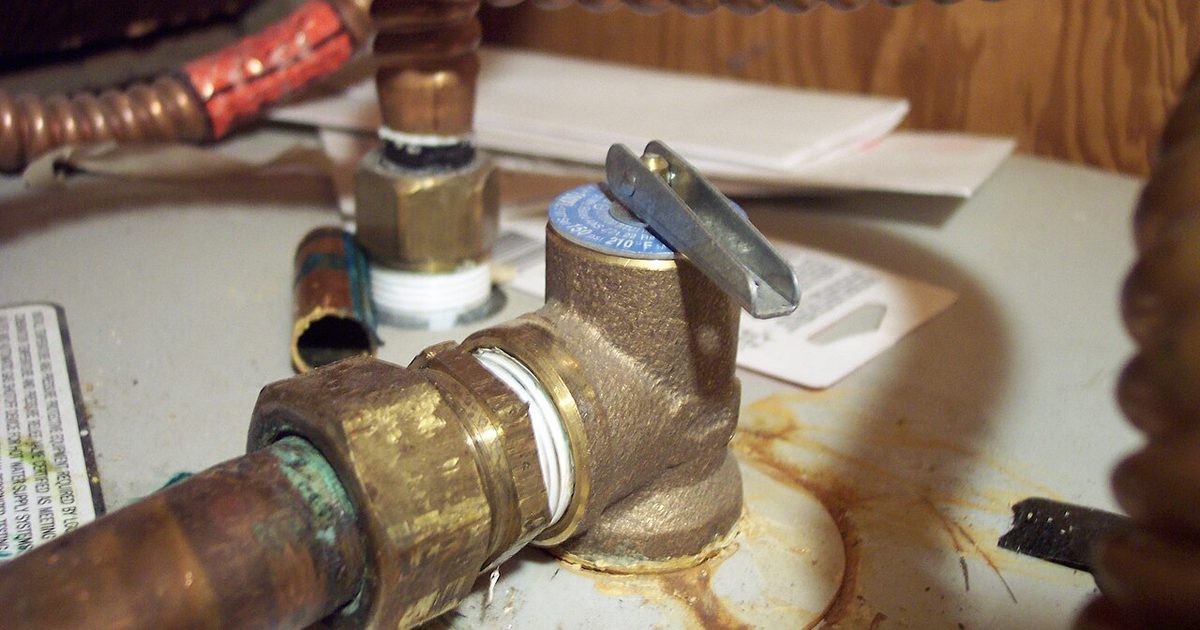
A temperature and pressure relief valve protects the tank from unsafe pressure. It may drip briefly as the unit heats, but a steady flow, regular spurts or water pouring from the discharge line needs attention. Some manufacturers recommend easing the valve lever on a service schedule, but many homeowners are better leaving that check to a plumber, especially on older valves that may not reseat cleanly once disturbed. Do not cap, plug or redirect the discharge line just because it makes a mess. If the pipe runs where water can damage a wall, path or garden bed, ask for the pipework to be corrected rather than defeating the safety feature. The written quote should state whether the plumber is replacing the relief valve, checking incoming pressure, fitting or testing a pressure-limiting valve, or investigating overheating. Those are different jobs. A valve change without checking pressure can leave the same symptom waiting to return.
Check the tempering valve signs at the taps
A tempering valve blends hot water down to a safer delivery temperature for bathrooms. When it fails, the symptom may feel like a weak heater even though the tank is working. You may get water that starts hot then turns warm, a shower that changes temperature when another tap runs, or hot water in the kitchen but not in the bathroom. Do not remove or bypass the valve. It is there to reduce scalding risk, and the repair belongs with a licensed plumber. Your job is to describe the pattern clearly. Tell the plumber which rooms are affected, whether the problem is constant or intermittent, and whether the kitchen tap behaves differently from the shower. If there are young children, older residents or anyone with limited mobility in the home, say so. A correct fix protects comfort, safe water temperature and compliant plumbing.
Gas systems need clear air and licensed checks
Gas storage and continuous-flow units need clean combustion, correct flue clearances and safe gas supply. Keep plants, storage boxes, bikes and building materials away from the unit and the flue. Do not paint over warning labels or cover vents to hide a draught. If you smell gas, hear a persistent clicking igniter, see soot around the casing, or the pilot light repeatedly goes out, stop using the unit and arrange a licensed gas fitter. A hot water repair is not the place for a handyman or a quick parts swap from a marketplace listing. Ask whether the business holds the plumbing and gas licences needed for the whole job, and ask for that licence number on the quote. If the plumber recommends replacement rather than repair, ask whether gas line sizing, flue position or meter capacity is part of the reason. Those details explain the cost more honestly than a single line saying supply and install.
Electric tanks and heat pumps have different service risks
Electric storage tanks look simple, but the heating element, thermostat and electrical connections should not be opened by a homeowner. If the safety switch trips, the water heats slowly, or the tank makes unusual noises, note the timing and call the right trade. Heat pumps add another layer because they rely on airflow. Keep the intake and discharge areas clear, keep leaves away from the base, and make sure condensate can drain. A heat pump pushed into a cramped corner may run poorly even when the unit itself is fine. If the system is loud, icing up, blowing cold air into a poor location, or struggling after a cold night, ask for a hot water system service that includes placement, airflow and condensate checks. For apartments and strata blocks, confirm access rules before the appointment. A technician losing an hour waiting for roof, cage or plant-room access can turn a simple inspection into a larger call-out.
Flushing, anodes and water quality
Storage tanks collect sediment over time. In some homes that shows up as rumbling, popping, dirty water at the first draw, or lower usable hot water. Flushing can help on some units, but it is not a universal homeowner task. The wrong method can disturb old fittings or leave a valve leaking. Many tanks also have sacrificial anodes that protect the tank lining from corrosion. Anode checks and replacement depend on the model, water quality and age. Ask the plumber whether your tank has an anode, whether it is accessible, and whether replacement makes sense given the tank age. If the unit is already near the end of its expected life, servicing every part may not be the best spend. Sydney water conditions vary by area and building, and older pipework can add its own rust or scale. A written quote should separate maintenance that extends life from repairs that only buy a short reprieve.
Winter and holiday checks for Sydney homes
Hot water faults hurt more in winter because every household member notices them at once. Before the colder months, check outdoor insulation, exposed pipework, valve discharge, clearance around the unit and whether the system is already struggling during evening showers. If you plan to travel, do a quick visual check before you leave and again when you return. Guest bathrooms and holiday absences can hide leaks because nobody is nearby to hear a valve, see a puddle or notice a damp cupboard. If the unit sits above living space, in a roof cavity, or near timber flooring, treat any water mark as urgent. The cost risk is often not the plumbing part. It is the ceiling, cabinetry, flooring or mould damage that follows a slow leak. Preventive maintenance is less about chasing perfect efficiency and more about catching water before it spreads.
How to decide between service, repair and replacement
Use three questions. How old is the system? How serious is the symptom? How much of the replacement cost would the repair consume? A young unit with a failed valve is usually a repair. An older tank with rust at the base, water from the shell, repeated faults or poor capacity is often a replacement conversation. A continuous-flow unit with an ignition fault may be repairable, but if the flue, gas line or parts availability are poor, the quote may not stack up. Ask for both options where it is not clear: repair now, replacement soon, or replace now. The quote should name the unit, model, labour, removal of the old unit, valves, pipe changes, warranty and exclusions. If a plumber can only give a cheap verbal number, keep asking until the scope is written down. That is how you compare quotes rather than guesses.
What a proper maintenance quote should include
A hot water maintenance quote should be plain enough to read without trade knowledge. It should list the inspection items, any parts to be replaced, whether pressure will be checked, whether valves will be tested or changed, whether gas or electrical work is included, and whether the price changes if the unit is unsafe or inaccessible. Ask whether the visit includes written findings and photos. That record helps if the unit fails later, if warranty is involved, or if a strata manager needs evidence. If the plumber recommends replacement, ask for a second line showing the replacement option rather than letting the service invoice blur into a sales pitch. PlumbnShine can inspect the symptoms, explain the likely cause and put the next step in writing, whether that is a small valve repair, a system service or a hot water replacement quote.

Verdict: maintenance buys time and clarity
A good checklist will not make an old tank new, and it will not turn unsafe work into a DIY job. It will help you notice leaks, valve trouble, temperature swings, access problems and replacement signs before the system fails at the worst time. Do the safe visual checks yourself, keep notes, and bring in a licensed plumber for valves, gas, electrical interfaces, leaks, corrosion and any hot water repair that involves opening the system. The bottom line is simple: maintain what is sound, repair what is modest, and replace what is leaking, unsafe or past sensible repair.
Common questions
How often should a hot water system be serviced in Sydney?
Many homes benefit from a licensed check every couple of years, sooner if the unit is old, leaking, noisy, discharging water or struggling to keep up. Follow the manufacturer schedule where you have it. If you do not, ask the plumber to base the service plan on the unit type, age, location and symptoms.
Can I replace a hot water relief valve myself?
No. Relief valves are safety parts and the work belongs with a licensed plumber. A dripping valve may be faulty, but it may also point to high pressure or overheating. The cause should be checked before a part is changed.
What are signs my hot water system needs replacement?
Water from the tank body, rusty staining, repeated faults, poor capacity, old age and repair quotes that approach replacement cost are all replacement signals. Get a written quote that shows repair and replacement options if the decision is close.
Should I book maintenance before selling or renting a property?
Yes, if the unit is old, hard to access, noisy, leaking or undocumented. A service record and written findings can reduce last-minute surprises during a sale, lease handover or strata approval.
Need a licensed plumber in Sydney?
Tell us what's going on and a local plumber will get back to you fast.
Get my free quoteGet a free quote
Tell us what you need and a local, licensed plumber in Sydney will call you back. No obligation.
- Local, licensed plumbers
- Fast response — incl. emergencies
- Free quote, you choose who to hire