Gas Water Heater Replacement: Is It Still Worth It?
When a gas water heater fails, the pressure to decide arrives with the cold shower. Under the urgency the question is narrower than it looks: does another gas unit still suit this household, or has this become the moment to price something else? Worth it, in this guide, means the shortest path back to hot water without new work the home does not otherwise need, and the answer comes from your own bills and quotes rather than a published average.
Start with the unit you already have
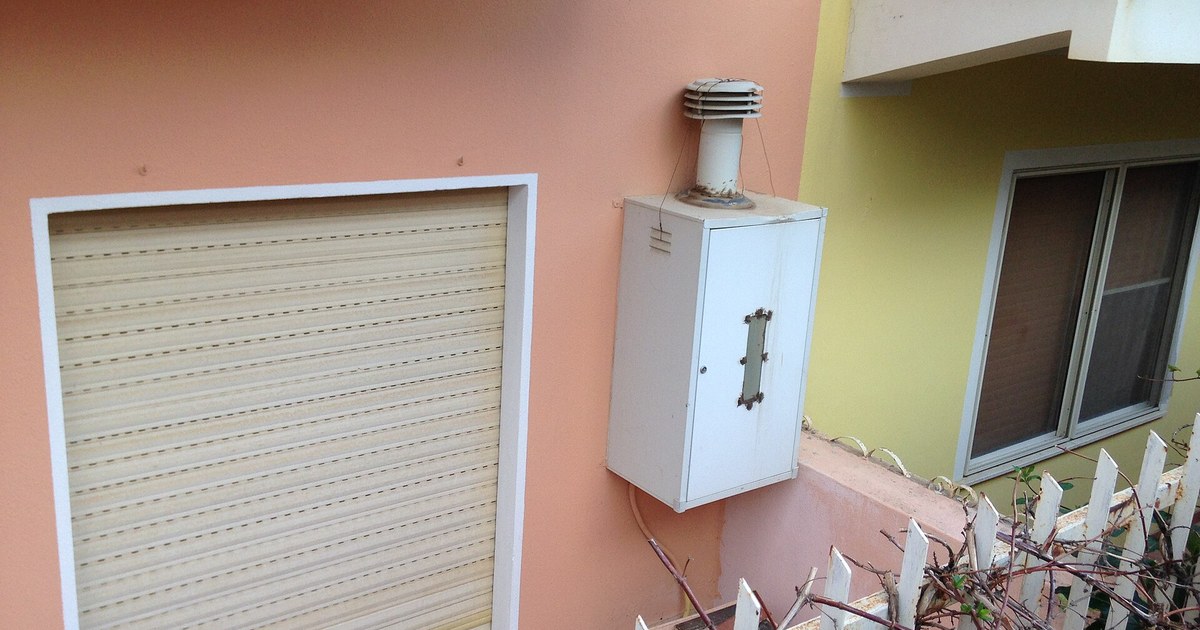
The decision starts at the heater itself, not at a brochure. Look at where the unit sits, how it has performed, and what would have to move to replace it in the same spot. Two ideas sound alike and should not be confused. How easy the job is to quote and perform is one thing, and it is genuinely secondary. Whether the position, capacity and use pattern suit the household is the thing a replacement has to satisfy, and that is what this guide calls fit. Then ask a question that often gets skipped: was the hot water always short, or did the shortfall arrive as the unit aged? Those two patterns point in different directions, and the next two sections take them in turn. Keep the two apart and the rest gets easier: a unit can be cheap and quick to swap and still leave the household with the same shortfall it had before.
Storage or continuous flow: the limits, not the labels
Gas water heaters work in one of two ways. A storage unit keeps a tank of hot water ready and refills it as it is drawn down. A continuous-flow unit heats water as it passes through and holds nothing ready. Each type has a limit that decides whether it suits a home. Storage is limited by the usable volume in the tank and by how quickly it recovers. Continuous flow is limited by its rated flow when several outlets run together, and by the minimum flow it needs before it fires. Both figures are quoted at a stated temperature rise, so ask for each at the coldest inlet condition your home sees and compare like with like. Then compare the minimum activation flow with the flow at your lowest-flow hot tap, measured with a timed bucket fill: a fixture that cannot deliver that flow will not trigger the heater.
Rule out the cheap causes of a shortfall
A permanent shortfall is not automatically a sizing problem or a failed unit. A thermostat set low, scale or sediment reducing the effective tank capacity, a failed dip tube, or a mixing valve holding the delivered temperature down will all make hot water run out sooner than it should, and none of them is a reason to change fuel. Ask whether each of those has been checked and what the check showed. Then price a repair where the fault is narrow: a fitting or connection leaking, a small part failed, or a control that can be serviced or replaced. Replacement becomes the stronger option when the tank itself is leaking, when the same fault keeps returning, when parts are hard to obtain, or when the repair cost sits close to what the unit has left in it. A thermostat is a setting, scale and sediment are a maintenance question, and a dip tube is a part, so each has a fix a plumber can price before anything is replaced.
Has the household outgrown the unit?
Before a shortfall is blamed on the unit, compare how the household uses hot water now with how it used it when the unit was installed. More people, a bathroom added, a bath or a spa now in regular use, or a change in working hours all raise the draw. A shortfall that tracks those changes suggests the demand outgrew the unit rather than the unit failing, and a like-for-like replacement would reproduce it. Ask when the shortfall started and what else changed in the house around then. That comparison is what separates a unit that has declined from a system sized for a smaller household, and it is worth making before either is assumed. The installation date is usually on the unit or in the paperwork from the last job, and it is worth having to hand when you describe the shortfall.
What a straight gas swap still does well
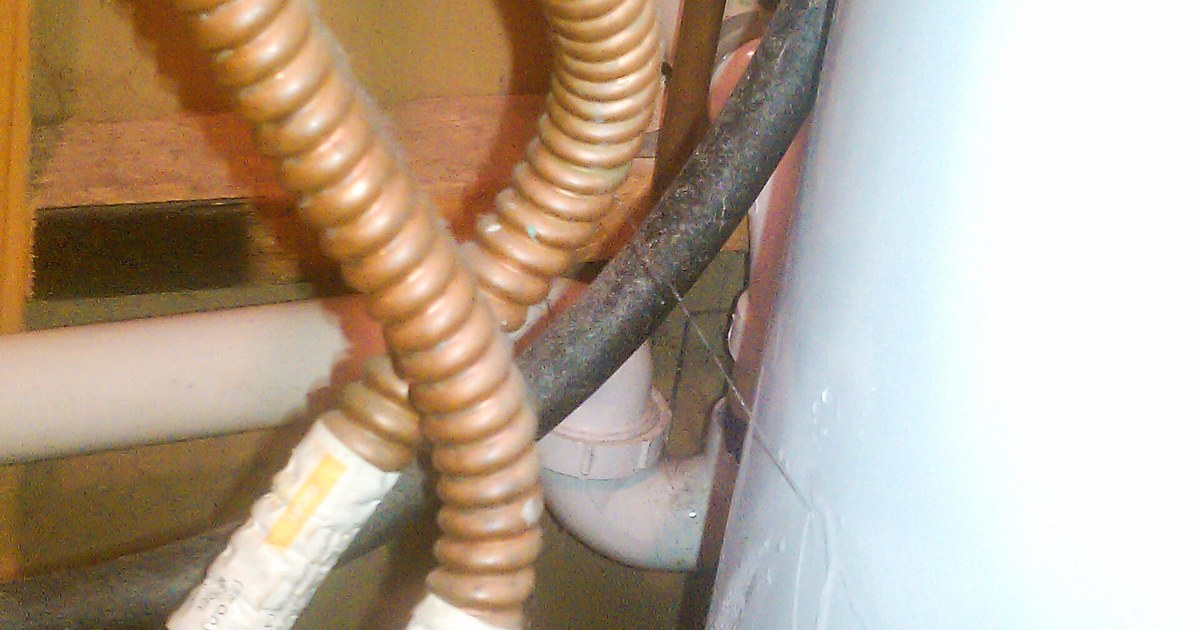
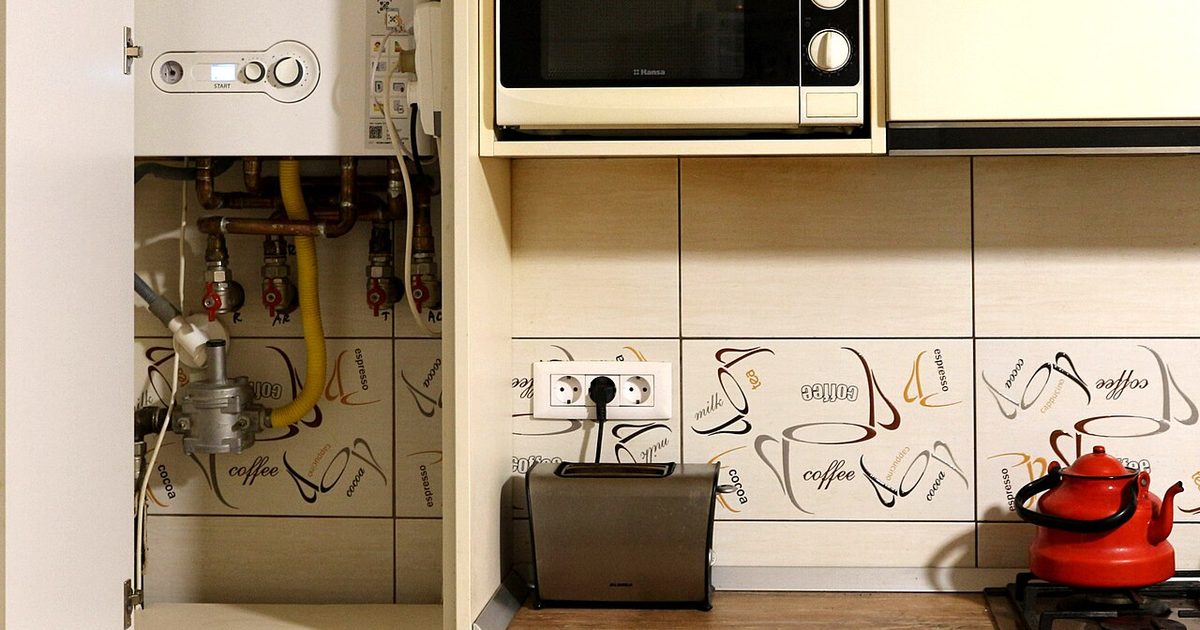
A like-for-like gas replacement changes fewer things. The gas point, the water connections, the flue or outlet, the position and the removal route all stay where they are, so there is less to design and less to surprise either side once the unit is out. Before you accept that a swap really is straight, check three things. Whether the flue or outlet route can be reused in the position the unit already occupies. Whether the isolating valves and the pipework at the unit will come apart, which is often where an older installation changes the job. And whether the removal route clears the doorway, the stair or the cupboard the new unit has to pass through. Photograph the unit's position, the pipework and the approach to it, because those views are what both quotes are written from.
What makes the fuel choice genuinely open
The fuel question opens in three situations. The first is work the home is already doing: a renovation, an extension, an appliance replacement or electrical work. Coincident work is what makes the comparison fair, because access, trades and preparation get paid for once instead of twice. The second is a unit that has to move anyway, because the space is wanted back, the position is awkward to service, or the placement no longer suits how the household lives. The third is a demand the unit has outgrown, on the comparison in the section before last. If none of the three applies, the like-for-like gas replacement is the sensible first price and the fuel comparison can wait. The third case is the easiest to miss, because nothing about the unit looks wrong when the household has simply grown.
How to compare two paths without predicting the future
A fuel comparison is a whole-job comparison rather than a unit against a unit, and four things decide it. What the household pays for each fuel now, which appears on your bill as the tariffs and supply charges that apply to the property. Where the alternative is bottled LPG rather than piped natural gas, the basis is different: there is no supply charge on the bill to compare, so ask how the cylinder or bottle arrangement is priced and refilled instead. What preparation each option needs, including the electrical supply an electric or heat-pump system would need and who would do that work. What each option leaves you with at the next replacement. And which lines in each quote are fixed and which are conditional, since a conditional line is the one that moves when the job opens up. Ask each tradesperson for the annual running figure they have assumed, and for the basis of that figure. Ask for each in writing rather than over the phone, because the comparison is only as good as the assumptions behind it.
Sizing: the demand pattern the quote assumes
Sizing is where a general quote stops being useful. Ask the plumber to describe the demand pattern the quote assumes in three parts: who draws hot water, how many outlets run at once, and how long the busiest window lasts. A useful answer names the household's own pattern, such as back-to-back showers in the morning with laundry and kitchen use overlapping them. For storage, ask what happens after the water is drawn down and who waits for the refill. For continuous flow, ask what happens when several outlets run at the required temperature at once. If the answer is a brand, a litre figure with no reasoning, or the phrase sized for a typical family, ask again. The unit you want covers your busiest half hour, plus the recovery that follows it. If the pattern the plumber describes does not match how your household uses hot water, say so and ask for the quote to be revised rather than accepting the standard answer.
When the fuel choice is open, get two written options
Ask for the fastest practical replacement in the existing position, and for the better long-term path if more preparation is allowed. Ask for both as totals broken into the same lines, so the difference is visible instead of implied. Unit, labour, fittings, removal of the old heater, preparation, access and conditional items should appear on both. If one option carries a conditional line, ask what the condition is and what it would add if it applies, then compare the two with that line included. The fast option is not automatically the cheaper decision over the years, and the slower one is not automatically the better one. Ask how long each option would take to book and complete, because a household without hot water is comparing time as well as cost.
What to ask before you book
Keep the questions plain and specific. What type is being installed, and does it stay in the same position? Which existing fittings and pipework are being reused? Which outlets has the unit been sized for, and what are its rated flow and minimum activation flow at the coldest inlet condition? What electrical supply would an alternative need, and who would do that work? What parts of the quote are fixed and what parts are conditional? Ask the tradesperson you hire for their licence details and a written quote, and ask them to explain what can be seen before the unit is removed and what can only be confirmed once it is out. Confirm how the old unit will be removed and whether its disposal is included, because that line is easy to assume. If you would rather have someone look at the position and the demand pattern in person, a licensed plumber from PlumbnShine can check both before you commit to a like-for-like swap.
The decision test
Apply the test in this order, and stop at the first question that fails. Is the fault narrow? Then repair is the first thing to price. If the shortfall is permanent, have the cheap causes ruled out, and compare the household's use now with its use when the unit was installed, so a grown demand is not read as the unit's decline. Only then does an always-short pattern point at sizing, and only then does short-as-it-aged point at the unit. Next, is the fuel choice open on any of the three conditions above, meaning work already planned, a unit that has to move, or a demand the unit has outgrown? If it is, price the alternative first, even when the gas case looks reasonable. If it is not, the like-for-like gas replacement is the option to price first. Write the answers beside the quotes, so the reasoning sits on one page when the household compares them.
Common questions
Does a gas water heater replacement have to be like-for-like?
No. A like-for-like gas replacement is the shortest path when the old setup met the household's needs and nothing else about the home is changing. If the hot water was always short, if the unit has to move, or if the household now draws more than the old unit was sized for, price the alternative first. Electric storage, electric continuous flow and heat-pump types are the usual candidates.
Storage or continuous flow: which suits a busy household?
It depends on the shape of your busiest half hour. A storage unit holds a ready volume and refills after it is drawn down, so it suits a home whose peak draw fits the tank plus the recovery time. A continuous-flow unit has no tank to run dry, but it is limited by its rated flow when several outlets run together and by the minimum flow it needs before it fires. Ask for both figures at the coldest inlet condition.
Can I repair instead and decide the fuel later?
Sometimes. Ask first whether a thermostat setting, scale or sediment, a failed dip tube or a mixing valve is producing the shortfall, because those are fixes rather than reasons to change fuel. Where the fault is narrow, a repair can buy time to compare options calmly. Where the tank itself is leaking or the same fault keeps returning, a repair tends to postpone the decision rather than settle it.
What should be ready before the plumber arrives?
Be able to describe the demand, not just the fault: who draws hot water, how many outlets run at once, and how long the busiest window lasts. Clear access to the unit, point out the position and the pipework, and mention any work already planned for the home, including electrical work. Those details decide which of the two written options is worth quoting.
Need a licensed plumber in Sydney?
Tell us what's going on and a local plumber will get back to you fast.
Get my free quoteGet a free quote
Tell us what you need and a local, licensed plumber in Sydney will call you back. No obligation.
- Local, licensed plumbers
- Fast response — incl. emergencies
- Free quote, you choose who to hire