How to Fix a Dripping Tap (and When to Replace It)
A single dripping tap can waste thousands of litres a year. Many drips are a simple washer or cartridge change you can do yourself — but some need a replacement or a pro. Here's how to tell which.
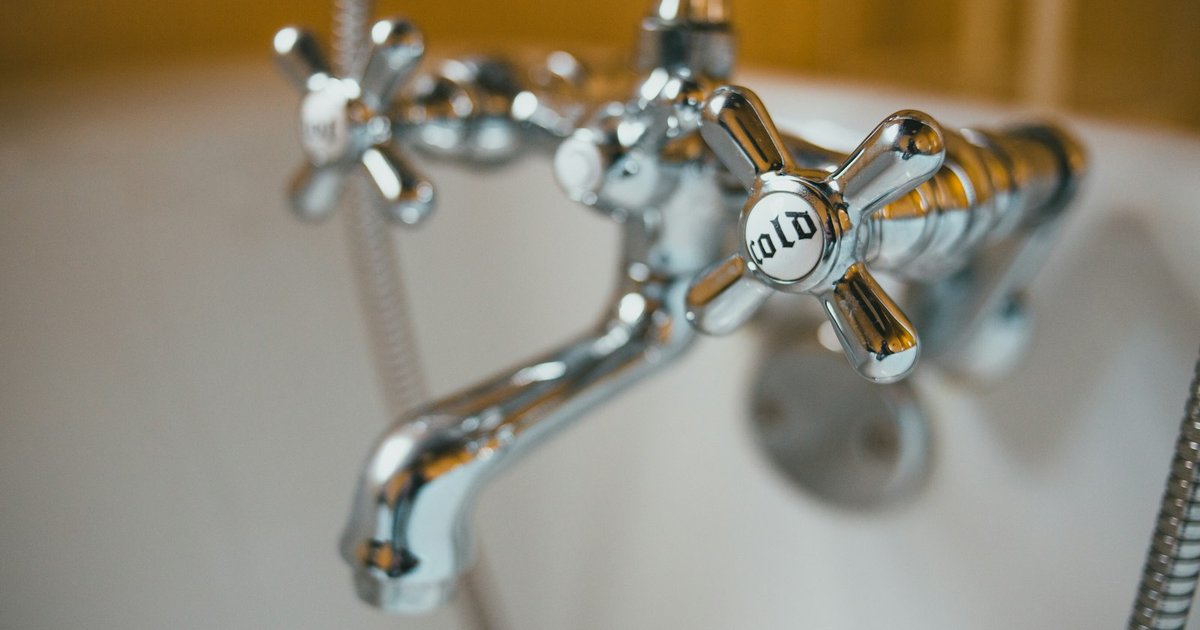
Turn off the water first
Close the isolating valve under the sink (or the mains) and open the tap to drain the line. Never start without shutting the water off.
Replace the washer or cartridge
Most kitchen and bathroom tap drips come from a worn washer or cartridge. Once the water is off, take the tap apart, note the part, and replace the washer/cartridge with the matching one from a hardware store.
When it's time to replace
If the tap body is corroded, leaking at the base, or you've changed the washer more than once and it still drips, a full tap replacement is often more economical. Older ceramic-disc taps can be hard to source parts for.
Know your limits
A washer swap is a reasonable DIY task. If the valve is stiff, the leak is at a joint, or you're unsure, stop and call a plumber — a small mistake can turn into a flooded kitchen.
Common questions
How much water does a dripping tap waste?
As little as a few litres a day to thousands of litres a year depending on the drip rate. Fixing it quickly saves water and money.
Do I need a plumber for a tap washer?
Usually not — a washer/cartridge swap is DIY. Call a plumber for leaks at joints or corroded valves.
Why does my tap still drip after a washer change?
Could be the valve seat or a worn cartridge rather than the washer. If it persists, a replacement tap or pro assessment is the fix.
Need a licensed plumber in Sydney?
Tell us what's going on and a local plumber will get back to you fast.
Get my free quoteGet a free quote
Tell us what you need and a local, licensed plumber in Sydney will call you back. No obligation.
- Local, licensed plumbers
- Fast response — incl. emergencies
- Free quote, you choose who to hire