When to Call an Emergency Plumber (and When to Wait)
Some plumbing problems need a callout at 2am; others are fine until the morning. Here's how to tell the difference so you don't pay an after-hours premium unnecessarily, or worse, wait when you shouldn't. This guide sorts the common faults into those that need someone tonight, those that need someone today, and those that can wait for a normal weekday booking, plus what to do in the meantime.
What actually counts as an emergency
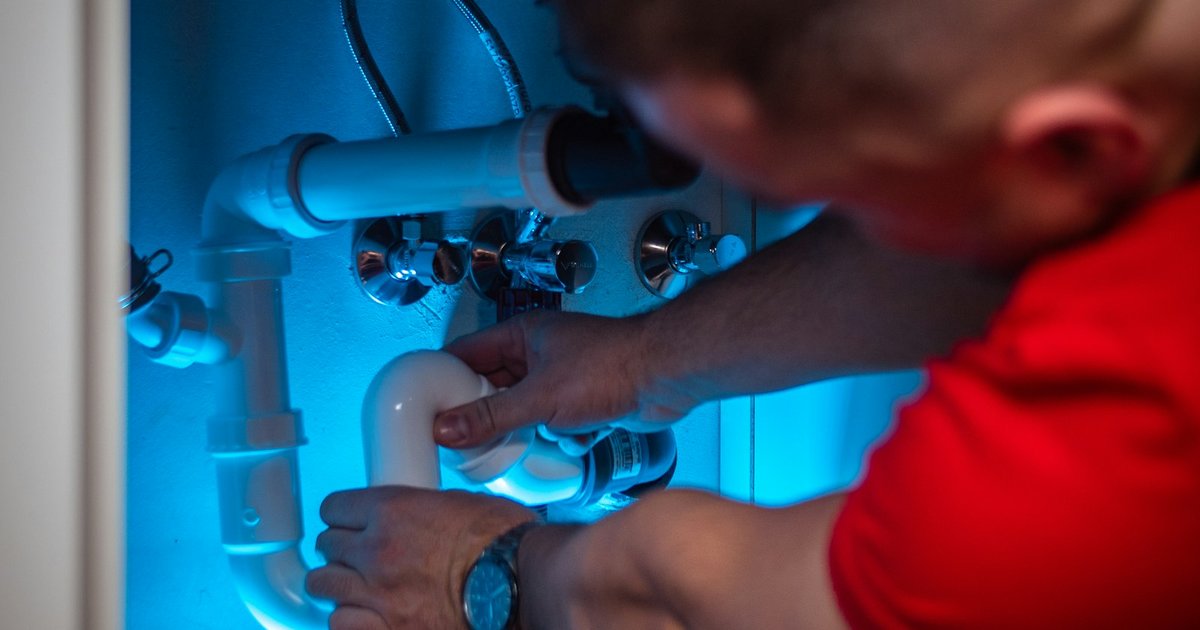
An emergency is not the same thing as an inconvenience. The practical test is whether the fault is causing damage right now, or putting someone's safety at risk, and whether it will get worse while the household sleeps. A burst pipe pushing water into a floor cavity passes that test. A tap that drips into a basin does not. Most faults sit somewhere in between, so it helps to sort them into three groups: problems that need someone tonight, problems that need someone today during business hours, and problems that can wait for a normal weekday booking. The after-hours premium you pay for the first group is money well spent. Paying it for a blocked sink is not. When you ring a licensed plumber, describe what you can see and hear rather than guessing at the cause, and ask directly whether the fault can wait. A reputable plumber will tell you to call back in the morning if that is the honest answer, because a customer who trusts the advice comes back the next time something goes wrong. It also helps to check what your home insurance policy says about sudden water damage, and to know where the document is kept.
True emergencies (call immediately)
Burst or leaking pipes, water pouring into the ceiling or walls, a major sewer backup or overflow, no hot water at all in cold weather, and any gas smell (call the gas network first). These can cause structural or health damage within hours, so a callout premium is worth it. Water already inside a ceiling or wall is the clearest signal that a leak cannot wait, because it travels sideways, soaks plaster and insulation, and can reach wiring before you see a drop. A sewer backup is a health risk from the moment it touches a floor you walk on, and it rarely clears on its own. Losing hot water completely during a cold snap matters most in a home with young children, older residents or anyone managing a medical condition. No water at all is urgent too, though the cause is often outside your boundary. Gas is a different kind of call: if you can smell it, leave the property, ring your gas network's emergency line, and let them make the site safe before any plumbing work begins. If you are genuinely unsure which side of the line your fault falls on, ring a plumber and ask, because a two-minute conversation is cheaper than a night of mopping.
Urgent, but not an emergency
Between the two extremes sits a group of faults that need fixing soon but not at midnight. A toilet that will not flush at all, a leak under a sink that you have isolated and caught in a bucket, a drain backing up slowly but still draining, or a single tap that has stopped working are uncomfortable rather than dangerous. The test is whether you have stopped the water or contained the mess. If you have isolated the supply and the damage is no longer growing, the fault can usually wait for a morning booking. If you cannot stop it, or cannot reach the isolation point, treat it as an emergency. Renting changes the calculation, because urgent repairs are generally the landlord's responsibility. Report the fault to your agent or landlord in writing, keep a record of what you sent and when, and follow up if nothing happens. Strata buildings add another step, since a fault inside a shared wall may sit with the owners corporation rather than your own unit. If the fault is inside your own unit and will not stop, tell the agent it is causing damage and ask for approval to call someone out.
Can wait until morning
A slow-dripping tap, running toilet, minor low-pressure issue, or a single blocked sink are rarely urgent. Fixing them during business hours avoids the after-hours callout fee and is just as effective. A running toilet is a good example of a fault that wastes water every hour but does no structural damage, so a morning appointment costs you less and delivers the same repair. Minor low pressure across the whole house may even be a network issue rather than anything on your side of the meter. Single blocked sinks usually clear with the right tools in daylight, and a weekday booking means more time on site instead of a rushed night visit. The catch is that later should mean a day or two, not a month. A slow drip under a cabinet softens the board it lands on, and a toilet that runs constantly wears out the cistern internals. Book the appointment, note anything that changes in the meantime, and move it up the list if the leak starts to spread or the drain stops draining completely. One exception is a leak you cannot see or reach, since damp that shows only as a stain on a wall or a soft patch of floor can have been running behind the surface for a long time.
When the water authority is the right call, not a plumber
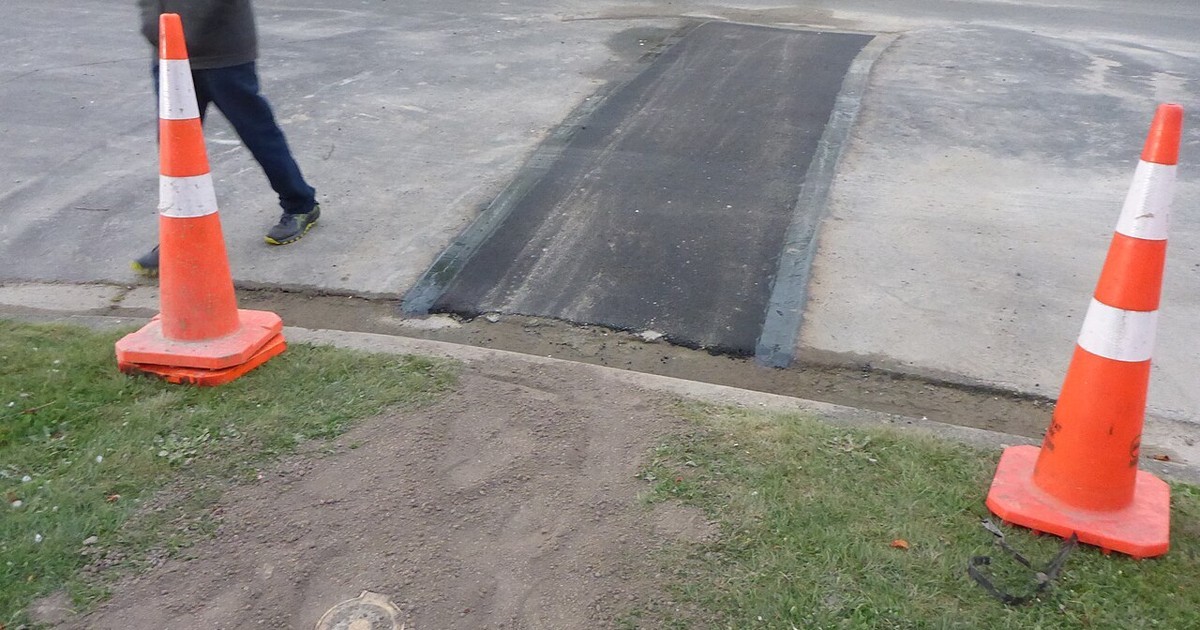
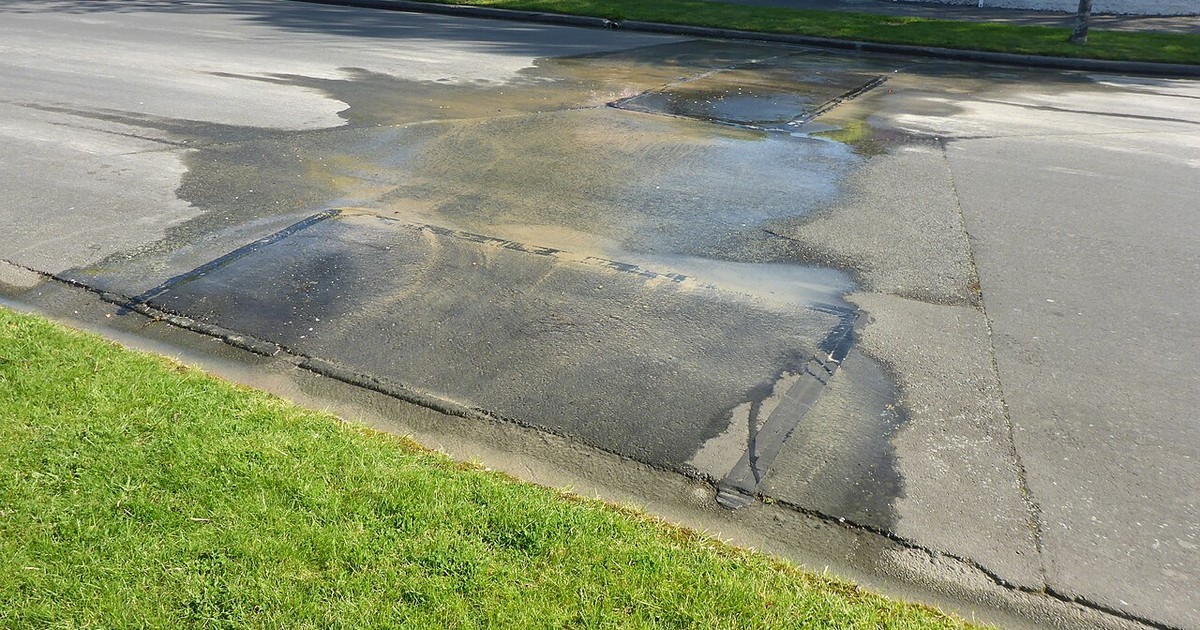
Not every water problem starts on your property. If the whole street has lost pressure, water is bubbling up through the footpath or road, or the main outside your boundary is leaking, the fault belongs to your water authority rather than a plumber. The same applies to a sewer main in the street. Your job then is to report it, give the location and a clear description, and keep clear of the area. If you have no water at all and your neighbours are in the same position, ring the authority before you book anyone, because no plumber can fix a shut main. If your neighbours have water and you do not, the problem is more likely inside your boundary and worth a plumber's visit. It helps to know where that boundary sits: the meter and the pipe on the street side usually belong to the authority, while everything from the meter to the house is yours to maintain. That single detail decides who you ring and who pays, and it is worth checking before a fault happens rather than during one. Keep the reference number they give you and note the time you called, because that speeds up any follow-up.
How to isolate a problem yourself
Stopping the water is the most useful thing you can do, and it does not need tools. Every home has a mains tap, usually near the water meter at the front boundary, and turning it clockwise shuts off the supply to the property. Inside, most fixtures have their own isolating valve: a small tap under the sink, beside the toilet cistern, or on the branch line to the hot water unit. For a leak, turn off the isolating valve or the mains to stop damage, and open a tap to drain the line. For a toilet, turn off the cistern valve. For a drain, stop using it, and keep other fixtures on the same line out of use as well. Find your mains tap before you need it and check that it still turns. A valve that has not moved in years can seize solid, and discovering that at one in the morning with water running down a hallway is a bad time to learn it. If you cannot shut the water off, say so clearly when you call, because that changes how quickly a plumber needs to be there.
What to do while you wait
Once the water is off or contained, the next job is limiting the damage. Move furniture, rugs and electronics away from the wet area, and put towels or a bucket under a drip rather than letting it spread. If water is near power points, switches or a light fitting, stay clear and treat the area as unsafe until someone qualified has looked at it. Open windows if there is a damp or sewage smell, and keep children and pets out of the affected room. If a sewer overflow has touched a surface, clean up what you safely can and leave the rest. Make a clear path to the fault and to your isolation valves, move a car if the plumber needs street access, and turn on an outside light if the visit is after dark. Take a few photos of the damage before anything is moved or mopped up, because they help your insurer, your landlord or your agent later. Then stay contactable and keep the line free for the plumber's call about arrival time. If the water looks dirty or smells, leave the nearby taps alone until the plumber has checked the line.
How to describe the fault when you call
You will get a faster, more accurate response if you describe the fault in the same terms a plumber uses. Say what is happening, where it is, when it started, and whether it is still getting worse. Include whether the water is clean or dirty, whether it smells, whether it is hot or cold, and which fixtures are affected. Mention what you have already turned off and whether the flow has stopped. Say whether the property is a house or a unit, whether there are stairs, and where the plumber should park. If the fault is under a concrete slab, behind a tiled wall or in a ceiling cavity, say that too, because leak detection takes longer than an obvious burst on a visible pipe. Cover access as well: a locked gate, a dog, a sleeping baby, or a neighbour who holds a spare key. If you have a short video of the leak, send it. A clear description over the phone is often the difference between a plumber who arrives with the right parts and one who has to leave and come back. Tell them whether the water is still running right now, because that decides whether the visit is treated as an emergency.
What information a plumber needs, and what to have ready
Keep a few things easy to find and you will save time on the night. Your address and the nearest cross street, a mobile number that will be answered, and a note of where the mains tap and the isolation valves are. If you rent, have your landlord's or agent's contact details and your own record of the report you made. If the home has a hot water system, know its type and where it sits, because that shapes how a fault is handled. Add anything unusual about the property: an older home with galvanised pipe, recent renovations, a granny flat on the same meter, or a pump. It also helps to decide in advance who is authorised to approve the work. If you are not the decision maker, a plumber can be left standing while the household waits for an answer with water still running. Ask for a written quote, or at least a clear scope, before work starts on anything beyond an emergency repair. Better still, get the callout figure, the hourly rate and any parts allowance up front so the invoice matches what you agreed at the door.
After-hours callouts and why the rates differ
An emergency plumber will quote a callout or trip fee plus an hourly rate, with a premium for nights and weekends. Ask about the trip charge and overtime rate before they leave the doorstep so there are no surprises. There are real reasons behind the premium. Someone is woken, gets dressed and drives to you, and the business runs a roster so a licensed plumber is genuinely available in the small hours. Parts come out of after-hours stock rather than a trade counter that opens at seven. Knowing the structure lets you make a calm decision about whether the fault is worth paying extra for tonight. Two questions are worth asking on every call: what is the callout or trip fee, and what is the hourly or overtime rate once the work begins. Ask whether the diagnostic charge comes off the repair cost if you approve the job, and whether the price changes for a weekend or a public holiday. Most after-hours visits are quoted over the phone, so a short conversation before the van rolls costs you nothing. Where you can, have the figure and the scope confirmed in writing or by text message before the work starts.
Avoiding the emergency in the first place
Most after-hours callouts begin as small faults that were left alone. A drip under a sink, a toilet that runs, a tap that has lost its washer and a drain that is slow are all cheap to fix in daylight and expensive to fix at the wrong hour. Book a plumber for the slow problems before they have a chance to fail properly. Learn where your mains tap and isolation valves are, and check them once or twice a year so they still turn. Look under cabinets and beside the hot water unit for staining, mineral build-up or damp board, and listen for water running when nothing is switched on. A leaking flexible hose or a failing toilet cistern valve is a common cause of a flooded floor, and both are simple to replace before they let go. Keep fats, wipes and food scraps out of the drain, because a blocked sewer on a Sunday night is the fault most likely to be genuinely urgent. If the home has old galvanised pipe or a hot water unit near the end of its working life, plan the replacement during business hours rather than waiting for it to choose its own moment. Pipe repair and toilet repair done early rarely become emergencies, and the same jobs left unattended almost always do.
Common questions
What counts as a plumbing emergency?
Burst pipes, major leaks, sewage backups, no hot water, overflowing toilets, and gas smells. Anything causing progressive damage or a safety risk. The working test is whether water is still spreading, whether the fault is a health hazard, or whether it will get worse overnight. A blocked sink, a dripping tap, or a toilet that runs but still flushes can almost always wait for a weekday appointment. If you are unsure, ring a licensed plumber, describe what you can see, and ask whether it can wait until morning.
Will I be charged even if they can't fix it?
Many plumbers charge a callout or diagnostic fee. Confirm it before they arrive so there are no surprises. The fee covers the trip and the time spent working out what is wrong, and it applies whether or not the repair can be finished on the spot. Some plumbers take the diagnostic fee off the final bill if you approve the repair, so ask how it works before you book. If the fault turns out to be outside your boundary, that is worth knowing early as well, because a network problem is the water authority's job rather than a plumber's.
Is there a gas emergency number?
Yes. For gas smells, call your gas utility's emergency line first, and they'll make it safe before any plumbing work. Leave the property, avoid switches and naked flames, and do not go looking for the leak yourself. Once the site is safe, a licensed plumber can carry out the pipe repair or the appliance work. If you rent, tell your landlord or agent as well, and keep a note of when you reported it.
What should I do while I wait for the plumber?
Turn off the mains or the isolating valve if you can reach it, then open a tap to drain the line. Move furniture and electronics clear of the water, put towels or a bucket under the drip, and keep children and pets out. If water is near power points or switches, stay clear and get advice before you go near it. Make sure the plumber can reach the fault and can park, and keep your phone on. Take photos of the damage for your insurer, landlord or agent.
Need a licensed plumber in Sydney?
Tell us what's going on and a local plumber will get back to you fast.
Get my free quoteGet a free quote
Tell us what you need and a local, licensed plumber in Sydney will call you back. No obligation.
- Local, licensed plumbers
- Fast response — incl. emergencies
- Free quote, you choose who to hire