Drain Cleaning Cost in Australia (2026)
A blocked drain is annoying; the cost is the second question. Here are indicative Australian ranges for common drain-cleaning jobs and what drives the difference between a cheap fix and a big one. In Sydney, a terrace, a strata unit and a newer house can produce the same symptom at very different ends of the price range. This guide explains the method behind each price, what you can check yourself, and what a proper written quote should include before you agree to any work.
Indicative price ranges
As a rough guide in Australia: a simple sink, tub or shower clog runs about $150–$450; a main-line clearing $400–$900; and jobs needing camera inspection or hydro-jetting cost more. Severe, inaccessible or recurring blockages sit at the top of these ranges. Read those bands as the shape of the market rather than a fixed menu. A single slow bathroom basin with a hair clog, and a blocked main sewer that has backed up into a laundry tub, produce the same complaint from you but completely different work for the plumber. One is a trap and a short branch line. The other is a machine, a long run, and often a camera. If a price comes in below the bottom of a range, ask what is included and what happens if the blockage turns out to be further down the line. If it comes in above the top, ask which part of the job is pushing it there. A licensed plumber should be able to explain both without hesitating, and the explanation is usually more useful than the number on its own. Keep in mind that a quote to clear a drain is not a quote to repair one, and on the same line you may end up needing both, so it is worth asking which of the two you are being given.
What a drain cleaning job actually involves
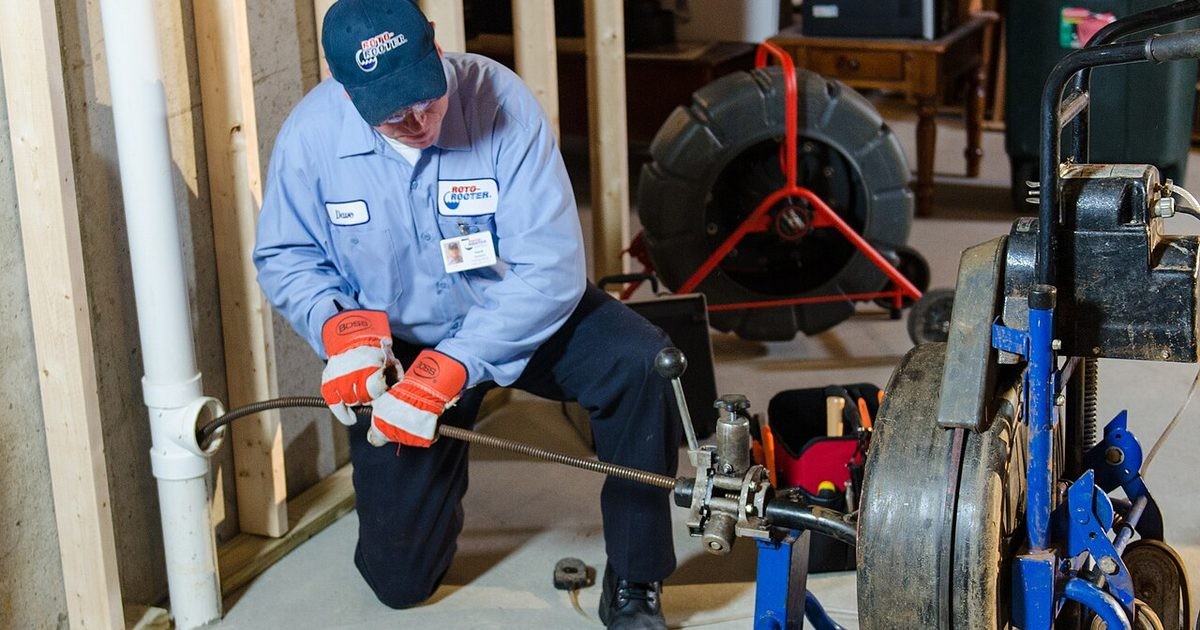
Every drain cleaning follows the same rough order. The plumber asks what you have been putting down the drain and how many fixtures are affected, then runs water at each one to see which drain is backing up and how fast it clears. From there the method follows the symptom. A trap under a basin or sink is opened or cleared by hand. A short branch line may need a hand auger. A longer run needs an electric drain machine, often called an eel, which feeds a cable down the line to break up the blockage. Heavy grease or root growth calls for a hydro-jet, which scours the pipe walls with high-pressure water rather than punching a single hole through the middle. A camera then confirms what the blockage was and whether the pipe itself is sound. The job ends with a flush and a test, and a good plumber will tell you what came out and what it means for the pipe. Ask for that description, because it tells you whether you are looking at a one-off clog or the start of a pipe repair problem. Some jobs also need the plumber to remove and refit a trap, or replace a damaged section of pipe, before the line will run clear at all.
Why a main-line clog costs more
A main drain needs a larger machine to reach it and often a camera to locate the blockage and check the line's condition. That equipment and time is what makes it a bigger job than a kitchen sink. The main line also sits further from the house, usually past an inspection opening, a gully trap or a boundary shaft, so the plumber spends time finding access before any clearing starts. Some lines run under a concrete slab, a driveway or a landscaped garden bed, which means the entry point matters and the work has to be planned around it. The cable has further to travel and the machine works harder to do it. If the line is old, the plumber has to clear it without damaging it, which takes more care than raw power. Where a camera is needed, the pipe is inspected along its length rather than only at the blockage. All of that is time on site, and time is what you are paying for. A main line is also the point where everything upstream meets, so more water passes through it and the cost of leaving it only partly cleared is higher for you.
When you need a camera
If the same drain keeps blocking, there's a bad smell, or multiple fixtures are slow, a camera inspection finds the root cause (roots, a collapsed pipe, grease build-up) rather than just re-clearing the symptom. A camera is the difference between treating the blockage and understanding the drain. Ask to see the footage and for a short written summary of what it shows. Where the pipe is cracked or root-affected, water can be escaping into the surrounding soil, and leak detection on the line may be the next step. Camera work is often quoted separately from the clearing itself, so confirm whether the price you are given includes it or adds it later. If a plumber clears a recurring blockage without ever suggesting a camera, ask why. Re-clearing the same line every few months is the expensive way to deal with a problem that a single inspection would explain. The exception is a genuine one-off, such as a single fat pour or a toy flushed down a toilet, where clearing really is the whole fix. A recording of the line is also useful evidence later, if you need to show a strata manager, a landlord or an insurer what is happening underground.
What moves the price up or down
Access is the biggest variable. A drain that can be reached from an inspection opening in the yard is quick. A drain under a tiled floor, behind a fixed cabinet or beneath a slab is not. Time of day matters too, since standard hours, after-hours and public holidays are usually priced differently, and a Sunday night emergency in an inner-city terrace carries more than a weekday morning job. Distance and depth both add time, because a longer run means more cable or hose to feed in and more of it to retrieve. So does the number of fixtures involved, as each one has to be tested before and after the work. A second pair of hands may be needed to feed a cable or manage a jetter hose. A fixed price or an hourly rate changes what you pay when a job runs longer than expected. Parking and traffic in denser parts of Sydney add real time to a visit. The condition of the pipe is the last big factor, because a fragile line has to be cleared gently. Ask how the price is calculated before the plumber arrives, because that answer tells you which of these factors will apply to your job.
Sydney's older housing stock, clay pipes and tree roots
Sydney has a lot of old drainage. Federation and interwar terraces in the inner west and inner east, and older homes across the north shore, often still run on earthenware clay pipes with mortar joints. Those joints are exactly where tree roots get a grip, and the older suburbs are full of figs, gums and large street trees with roots that travel a long way underground. Ground movement over decades opens small gaps that roots find and widen. Newer suburbs on the fringe are more likely to have PVC pipe, which is smoother and less prone to root intrusion, but long runs to the street and reactive clay soils still cause movement and offset joints. In either case the symptom looks the same from inside the house: a drain that blocks again and again. What changes is what the plumber expects to find when they arrive. Mentioning the age of the house, the pipe material if you know it, and any large trees near the line when you call helps them bring the right equipment the first time. If the blockages line up with wet weather, pass that on as well, since it can point to a cracked pipe taking in groundwater as much as to roots.
Strata buildings and shared lines
In a strata building, the drain serving your unit may be your responsibility or common property, and clearing it can involve the owners corporation. A blockage in a single bathroom branch is usually contained within the lot. A blockage in a shared stack or the main line is usually common property, which means the strata manager may need to authorise the work before a plumber starts. Access is the other difference. Pits and shafts in a basement, a shared riser or a ceiling space can be awkward to reach, and after-hours work in a building with residents needs notice and sometimes a booking. If you are in a strata unit, ask the manager which line is affected and who pays before you book anything, and ask for the written quote to name the drain, the method and the unit it serves. Doing that up front avoids the situation where two parties each assume the other is covering the invoice. Keep a copy of the quote and the invoice, because shared-line work is often split between parties and the paperwork is what settles who owes what.
Getting an accurate quote
Tell the plumber which fixture, how long it's been slow, and whether it's happened before. That lets them quote the right method and give you a realistic total rather than a ballpark. Name the suburb and the age of the property, describe anything you have noticed about the smell or the water, and say whether the problem is one fixture, several, or the whole house. Photos of the pit, the gully or the backing-up fixture help. Ask directly whether the price includes a camera, whether it includes GST, and whether the callout fee is absorbed or charged on top. Asking for a written quote before work starts is normal and a licensed plumber will not be offended by it. If you are comparing quotes from more than one plumber, compare the scope rather than the number at the bottom, because a cheaper quote that covers less work is not actually cheaper. The more accurately you describe the symptoms, the less the plumber has to allow for the unknown, and the tighter the figure they can give you.
What a written quote should contain
A proper written quote for drain work should name the business and the plumber's licence number, describe the work in plain terms, and state the price. Look for the drain or fixtures involved, the method proposed, and whether a camera inspection is part of the job or an optional extra. It should say whether the figure includes GST, what the callout or minimum charge is, and whether the price is fixed or built from an hourly rate plus materials. If a fixed price is given, ask how long it holds and what happens if the blockage turns out to be bigger than expected. Reasonable exclusions should be listed, such as work beyond the property boundary or repairs to a damaged pipe. What a quote should not be is a number with no scope attached to it. If a plumber will not put the job in writing, treat that as your signal to keep looking. Compare quotes on the same terms, since one that lists a camera inspection and one that leaves it out are not competing offers even when the numbers look close.
What you can check yourself, and when to call a licensed plumber
Before you book anyone, try the simple things. Run hot water down the drain for a few minutes to shift grease. Use a plunger properly, with the overflow covered, and check the trap under the sink for a build-up of hair and soap. Never mix chemical drain cleaners one after another, and never use them on a drain you suspect is fully blocked, because the caustic water can sit in the line and splash back when it finally moves. Call a licensed plumber when more than one fixture is slow, when water backs up somewhere else in the house, when there is a sewage smell or gurgling, when an outside gully overflows, or when the same drain blocks repeatedly. Those signs point to the main line rather than a trap you can deal with at the sink. If you also have a dripping tap or a toilet repair waiting to be done, mention it when you book, because a plumber already on site can often look at both in the one visit. None of those checks costs anything, and none of them risks making the blockage worse, which is more than can be said for repeated doses of caustic drain cleaner.
How to stop blockages coming back
Most repeat blockages come from the same few habits. Pouring cooking grease down the sink is the main one, because it cools and sets on the pipe wall and narrows the line a little more each time. Wipes, paper towel, cotton buds and food scraps belong in the bin rather than the drain, even when a product claims to be flushable. Hair is the usual culprit in bathroom drains, and a simple strainer or hair catcher costs very little and saves a lot of clearing. Once a month, run a full sink of hot water through the line to move along what has started to settle. Outside, keep an eye on what you plant near the sewer line. If the same drain blocks more than once in a year or two, stop treating it as a series of separate clogs and get the line inspected, because the fix is usually a pipe repair rather than another clearing. None of it is complicated, and the habits that keep a drain clear are the same ones that keep it cheap to own.
Common questions
Can I clear a main-line clog myself?
Sometimes a plunger helps, but a main-line blockage usually needs a machine. Repeated clogs should be investigated, not just re-cleared. You may be able to check an outside gully trap to see whether water is draining away from the house, but feeding a cable into a main line without the right equipment risks damaging an older pipe. If more than one fixture is affected, that is a job for a licensed plumber.
How long does drain cleaning take?
A simple clog is often under an hour; a main-line or camera job longer. Time influences the labour cost. The clock starts with locating the blockage and setting up rather than with the cable going in. A trap under a basin might be ten minutes of work, while a main line with a camera inspection can run well past an hour, and a hydro-jet job takes longer again because the hose has to travel the length of the pipe and then be fed back out.
How do I stop it recurring?
Avoid pouring grease down drains, use hair catchers, and flush drains with hot water. Recurring clogs warrant a camera inspection. Wipes and food scraps go in the bin. If the same drain blocks every few months, the pipe is telling you something and a camera will usually show what it is. Roots, a cracked section or an offset joint all cause repeat blockages, and clearing the line again without looking at it fixes none of them.
Is drain cleaning priced as a fixed rate or hourly?
Both exist, and the written quote should tell you which you are getting. A fixed price is easier to compare and protects you if the job runs long, but it usually assumes a straightforward blockage. An hourly rate plus materials can look cheaper on paper and end up costing more on a difficult line. Ask what the minimum charge or callout fee is, whether GST is included, and what happens if the plumber finds something unexpected.
Need a licensed plumber in Sydney?
Tell us what's going on and a local plumber will get back to you fast.
Get my free quoteGet a free quote
Tell us what you need and a local, licensed plumber in Sydney will call you back. No obligation.
- Local, licensed plumbers
- Fast response — incl. emergencies
- Free quote, you choose who to hire