Blocked Stormwater Drain in Sydney: Clear It Yourself or Call a Plumber?
A blocked stormwater drain usually shows itself at the worst time: during heavy rain, when water is already heading toward a garage, subfloor vent or low doorway. The right response depends on where the blockage sits, how fast water is rising and whether the system connects to shared or council assets. This guide gives Sydney homeowners a safe checklist before paying for drain cleaning, plus the warning signs that mean a licensed plumber should inspect the line and put the repair in writing.
Start with what stormwater is meant to do
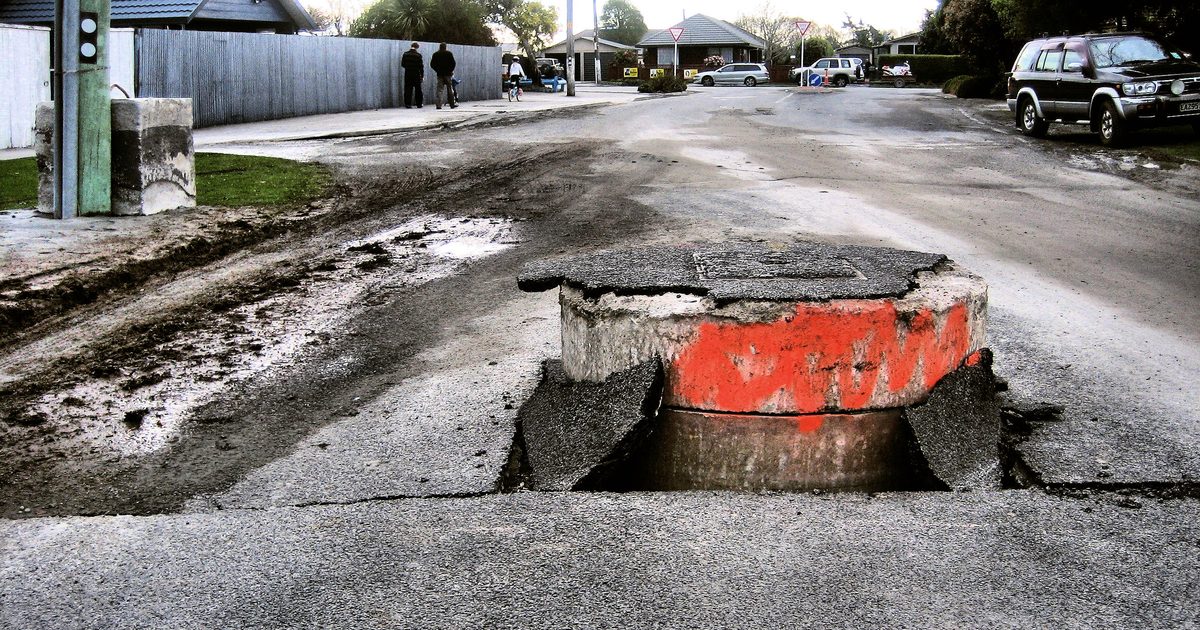
Stormwater pipes carry rain from roof gutters, downpipes, surface grates and pits away from the house. They are separate from sewer pipes in many Sydney homes, but the two can still be confused when water appears near an inspection opening, driveway drain or backyard pit. The first job is to work out which part of the system is struggling. If the toilet, shower and laundry drains still run normally but rainwater is pooling outside, the problem is more likely stormwater. If inside fixtures are backing up, stop using water and treat it as a blocked drain or sewer issue instead. A stormwater blockage can be simple, such as leaves packed under a grate, or harder, such as roots, silt, crushed pipe or a fall problem underground. Do not assume the nearest puddle is the fault. Water follows paving levels and garden edges, so the low spot may only be where the symptom appears.
The safe first check during rain
If water is rising, safety comes before diagnosis. Keep children away from pits, grates and slippery paving. Do not lift heavy grates in fast-flowing water, and do not stand in pooled water near outdoor power points, pumps or extension leads. If water is about to enter the home, move small items off the floor, place towels only where they will not block door tracks, and take photos for insurance records if it is safe. A garden broom can move loose leaves from a surface grate, but avoid pushing sticks or tools deep into a pipe. That can wedge debris further in or damage old pipework. If a garage, subfloor or living area is at risk, call for help rather than spending the storm guessing. A licensed PlumbnShine plumber can check the line after the immediate risk is controlled and explain whether drain cleaning, pipe repair or a larger stormwater quote is needed.
Check the grate and pit before the pipe
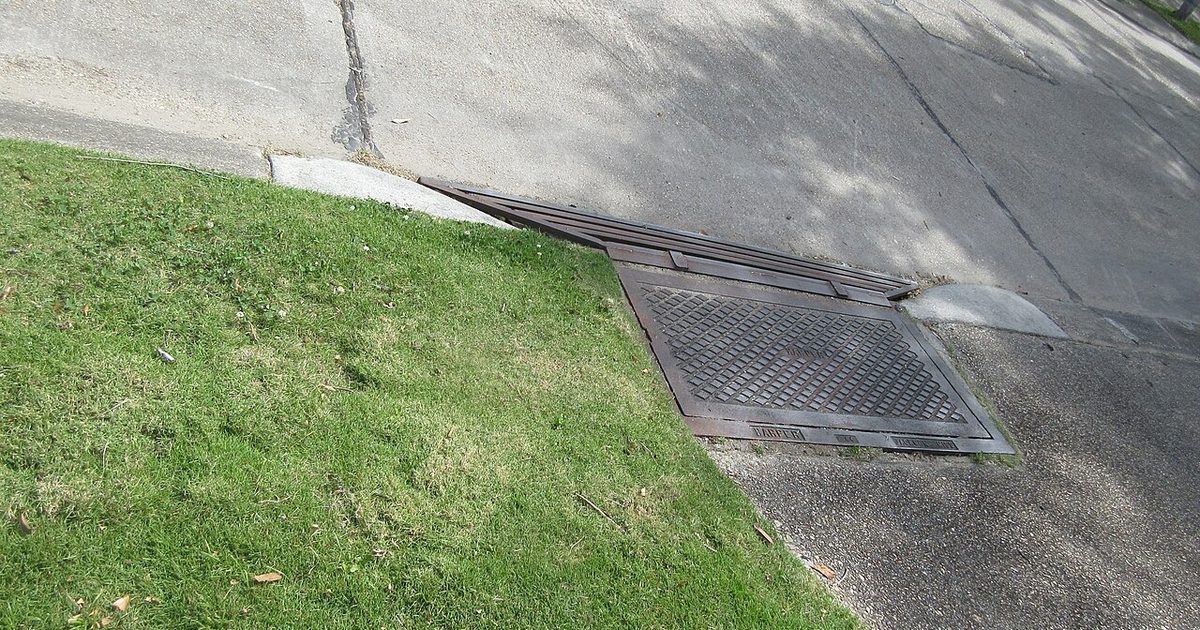
Many stormwater call-outs begin with a blocked surface grate, not a failed underground pipe. When the rain eases and the area is safe, clear leaves, bark, plastic and silt from the top of the grate. If the grate lifts easily, use gloves and a small bucket to remove loose debris from the pit itself. Do not climb into a pit or put your arm into a pipe opening. Sharp metal, broken glass, spiders and contaminated water are common enough that it is not worth the risk. Watch what happens when water is poured into the pit with a hose. If the water drops away at a normal speed, the blockage may have been at the surface. If the pit fills again or drains slowly, the fault may sit further down the stormwater pipe. Photograph the pit and note which downpipes or grates feed it. That gives the plumber a clearer starting point for the written quote.
When DIY clearing is reasonable
A homeowner can handle a small amount of surface debris if the system is accessible and the water is shallow. Clearing leaves from the grate, brushing sediment away from a channel drain, trimming plants that drop debris over a pit, and checking that downpipe leaf guards are not packed tight are sensible maintenance jobs. Stop there if the same pit blocks again, the pipe gurgles, water comes back out of another grate, or a downpipe overflows even after the outlet is clear. Consumer drain rods and high-pressure attachments can make a problem harder to fix if they break, jam, or punch through old earthenware. Chemical cleaners are the wrong tool for stormwater. They do not remove silt or roots, and runoff can end up where it should not. The practical test is simple: if you can see and remove the obstruction by hand from the surface, it is a maintenance job. If the blockage is inside the pipe, it needs proper drain cleaning equipment and inspection.
Signs the blockage is underground
Underground stormwater faults tend to repeat. A grate clears, then blocks again after the next downpour. Water appears from a different pit. A downpipe overflows even though the gutter is clean. The lawn stays boggy along the pipe route. Paving sinks near a drain line, or soil washes out around a pit. These clues point to silt build-up, root entry, a crushed section, poor fall or a disconnected pipe. Sydney homes with mature trees and older clay stormwater pipes are more likely to see root and joint problems, while newer work can still fail if a pipe was laid with too little fall or compacted poorly. A camera inspection is often the difference between a guess and a quote. Ask the plumber to show the fault location, explain whether it is a cleaning issue or repair issue, and note any access limits before work starts.
How a licensed plumber diagnoses it
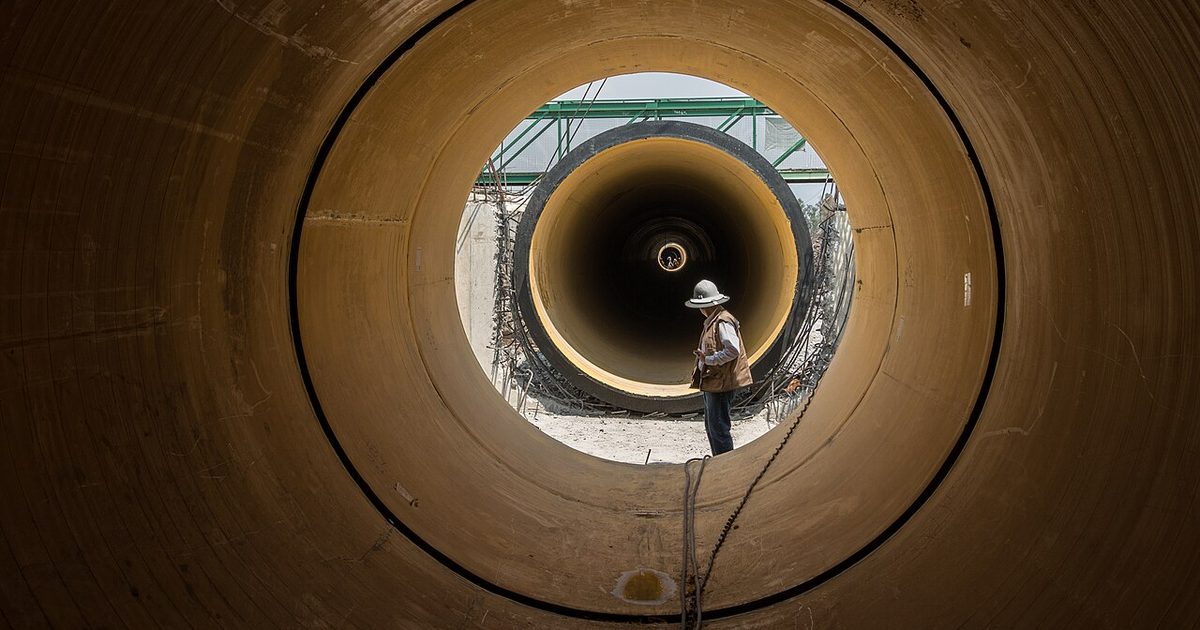
A proper stormwater inspection usually starts with the symptoms, then moves from accessible points toward the likely fault. The plumber may test flow from downpipes, open pits, run water through different sections, jet the line, and use CCTV once the pipe is clear enough to see. Jetting can remove silt and small roots, but it does not fix a broken pipe or a sag that keeps collecting sediment. CCTV helps confirm whether the pipe is cracked, crushed, invaded by roots, holding water, or connected incorrectly. Some stormwater lines are difficult to trace because landscaping, driveways and past renovations hide the original route. That is why a vague quote for “clear drain” may not be enough if the problem keeps coming back. A better written quote separates diagnosis, drain cleaning, and any pipe repair or replacement so you know what you are approving.
Repair, replacement or maintenance?
The best fix depends on what the inspection finds. If the pipe is sound and packed with leaves or silt, drain cleaning and better grate maintenance may be enough. If roots are entering through one joint, a targeted pipe repair may make more sense than replacing the whole line. If several sections are flat, crushed or undersized for the roof and paved area, replacement or extra drainage may be the honest answer. Some homes also need gutter cleaning or downpipe changes before the stormwater system can work properly, because the ground drains are receiving more water than they were set up to handle. Be careful with any quote that jumps straight to the biggest job without showing the evidence. Equally, be wary of paying for repeated quick clears when the same underground fault is still sitting there. The goal is not the cheapest visit today; it is a dry home after the next storm.
Cost factors to ask about in Sydney
Stormwater drain cost in Sydney changes with access, blockage type, pipe depth, pipe length, surface finish and the amount of investigation needed. A simple grate clean is not the same job as jetting a long line under a driveway, tracing a hidden pipe, cutting roots, or replacing a collapsed section below paving. Ask for a written quote that states what is included: attendance, diagnosis, jetting, CCTV, locating, repair work, disposal, reinstatement and any exclusions. If the plumber cannot price the repair until the line is cleaned and inspected, ask for a staged quote instead of an open-ended approval. Stage one can cover safe access and diagnosis; stage two can cover the confirmed fix. That protects you from paying for guesswork and helps compare quotes fairly. For strata or shared drains, confirm who authorises work and whether common property or council assets are involved before approving a larger repair.
Preventing the next blockage
Prevention is mostly about keeping debris out and noticing patterns early. Clear surface grates before storm season, especially near gum trees, jacarandas and garden beds with bark mulch. Keep downpipe leaf guards clear rather than letting them become small dams. Check that soil, pebbles and turf are not covering pit edges after landscaping. After heavy rain, walk the property and note where water sits for more than a short time. A slow-draining pit is easier to fix before it becomes an emergency plumber call at night. If a plumber has already cleared roots or heavy silt once, set a reminder to re-check before the next wet season. PlumbnShine can inspect stormwater drains as part of a broader plumbing maintenance visit, but the useful habit is homeowner visibility: know where the pits are, keep them accessible, and act when the same spot misbehaves twice.
When to call immediately
Call a licensed plumber promptly if water is entering the house, backing up near electrical equipment, lifting pavers, flooding a garage, carrying sewage smell, or reappearing from another drain after you clear the grate. Also call if you cannot identify the outlet, the pit is too heavy to lift safely, the property is strata, or the blockage sits near a retaining wall or boundary. These situations need more than a bucket and broom because the wrong move can make damage worse or create a dispute over responsibility. If the issue may involve council stormwater, the plumber can help identify what is on your property and what should be reported. For urgent water entry, focus on reducing damage first, then get the cause inspected once conditions are safe.
Common questions
Can I unblock a stormwater drain myself?
You can clear leaves, bark and loose silt from a visible grate or shallow pit if the area is safe. Stop if water keeps backing up, the blockage is inside the pipe, or you need rods, chemicals or pressure equipment.
How do I know if it is stormwater or sewer?
Stormwater problems usually appear during rain around gutters, downpipes, pits and driveway grates. Sewer problems often affect toilets, showers, floor wastes or laundry drains. If inside fixtures are backing up, treat it as urgent and call a licensed plumber.
What should a stormwater quote include?
Ask for the diagnosis, access plan, whether jetting or CCTV is included, what repair is proposed, what surfaces may need reinstatement, and what could change once the pipe is inspected.
Who fixes a blocked stormwater drain on the boundary?
Responsibility depends on where the fault sits and how the property connects to council or shared drainage. A plumber can usually identify the likely location, then you may need to contact council or strata if the issue is outside your private line.
Need a licensed plumber in Sydney?
Tell us what's going on and a local plumber will get back to you fast.
Get my free quoteGet a free quote
Tell us what you need and a local, licensed plumber in Sydney will call you back. No obligation.
- Local, licensed plumbers
- Fast response — incl. emergencies
- Free quote, you choose who to hire