Blocked Shower Drain: Why It Fills and What Actually Clears It
If your shower is standing in water by the end of a wash, the cause is usually closer than you think: a mat of hair, soap and body oils in the grate, or in the trap just under it. That is the good news. A blocked shower drain in a Sydney bathroom is normally a clearance job rather than an excavation: a clearance is the work of getting the obstruction out of the pipe and confirming the flow is back, not a repair to the pipe itself. This guide covers what builds up in the waste, the checks worth doing before you pick up a tool, what clears a blockage and what only moves it around, and what turns one job into a bigger one.
Why a shower blocks faster than a basin or a sink
A shower gets hair, soap, conditioner, skin cells and body oils in the same place, every day: more of each, more often, than a basin or a kitchen sink, and a bath takes the same load far less frequently. The other half of the reason is size. Caroma sells its square floor waste to suit 50 mm, 80 mm or 100 mm pipe, and 50 mm is barely wider than a thumb and forefinger. ACO's planning information describes a traditional floor waste as offering a point outlet, typically located at the centre of the shower area and/or bathroom floor. A single small outlet in the middle of the floor is the point everything the shower washes down has to pass through. The last piece is the recess itself. The same page points out that the flow through a floor waste depends on the depth of water sitting above the grate, and that shower floor wastes pond because the shower recess is shaped like a shallow basin. Standing water over the grate pushes through quickly; a flat tiled floor with barely a film moves it slowly, and a mat of hair turns that into a puddle. It works for years because the volume of water keeps the narrow spot moving. It stops working when hair collects faster than the water can wash it through.
What is actually sitting in the waste
On top is the grate: a screen of hair, conditioner film and soap that has dried and set. Under it, if the waste has a basket or strainer, is a second collection point that fills like a tea strainer. ACO's planning information makes the same point from the manufacturer's side, noting that grates and outlets may restrict flow into the pipe particularly when debris such as scum and hair is present, and that a debris strainer reduces that restriction. Below the grate, where the shower has its own trap, is the bend that holds a plug of water to keep sewer gas out of the room. That water seal is where a rope of hair and soap sits in a pool, turning into something with the consistency of wet felt. Everything that reaches the trap sticks, so a trap half full of sludge passes water slowly long before it blocks completely. Where it does not, everything the shower passes goes to a shared floor waste (more on that below). Hair does not dissolve, and soap scum softens then sets again as it dries, which is why a drain runs fine for months and then backs up over a weekend.
The checks worth doing before you reach for a tool
Lift the grate. Caroma lists a removable grate on its 80 mm square floor waste. On a tile-insert grate, a suction cup or the plastic key that came with the waste usually lifts it. If it will not lift, do not lever it with a screwdriver: a cracked tray or a chipped tile is a much bigger job than a blocked drain. Look with a torch rather than pushing with a finger: a visible mat at the top, a full basket, and trap water that is grey and greasy are all worth noting. Then run another fixture. Turn the basin tap on and watch the shower, then flush the toilet. If the shower water rises when something else drains, or gurgles when the toilet flushes, the blockage is probably not in the shower at all and clearing the grate will achieve nothing. Last, note what the water does: backs up immediately, drains slowly but always, or drains then gurgles. That tells a plumber more than a description of the smell.
Clearing the grate and the trap with hand tools
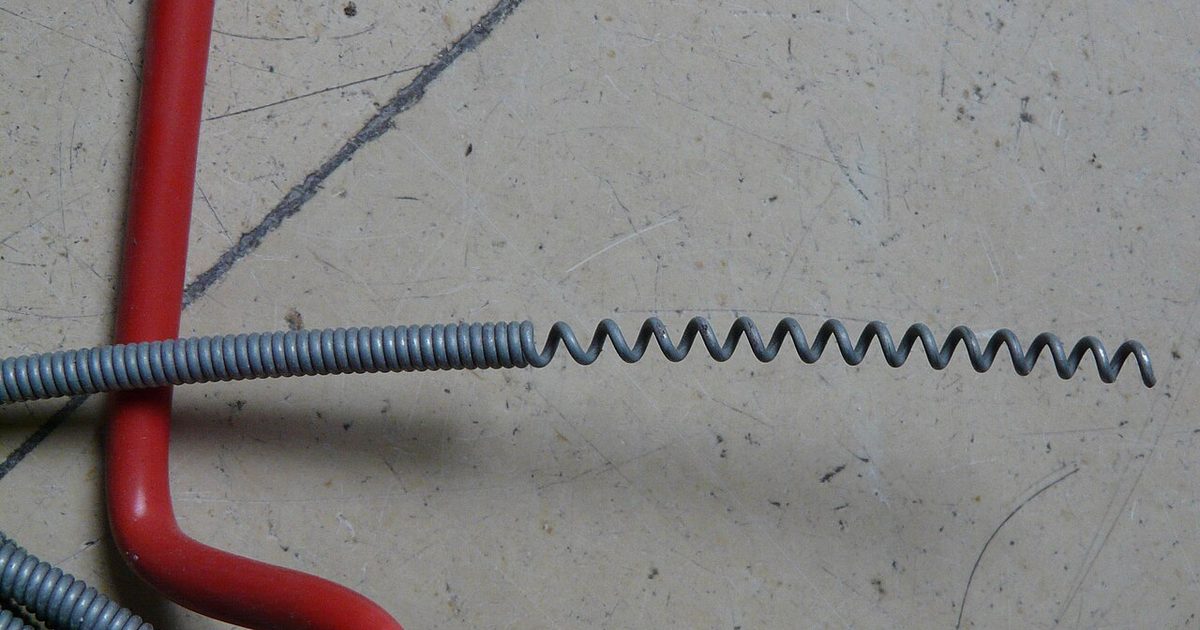
Hook the hair. A bent piece of wire, a plastic drain hook or a cable tie with a small notch cut into it will drag the mat out in one or two goes. Wear gloves, and pull steadily rather than yanking. Empty the basket if there is one, rinse it and put it back. A basket left out because it kept filling is why the trap fills instead. Follow with hot water from the tap, not boiling, for the reason set out in the next section, and a plunger if water is still standing. A plunger works by moving water, so it needs water over the grate to push against; block the overflow or the gap under the shower screen where you can, or it just pushes air. A hand auger, fed gently through the grate and turned as you go, will reach further. Do not force it past a hard stop: plastic waste scratches easily, and a scratched pipe collects debris faster afterwards. What you cannot see from above is a short drop from the grate into a trap, then a branch to the stack, all in a space barely wider than the waste.
Snaking the waste: what an auger reaches, and what it cannot
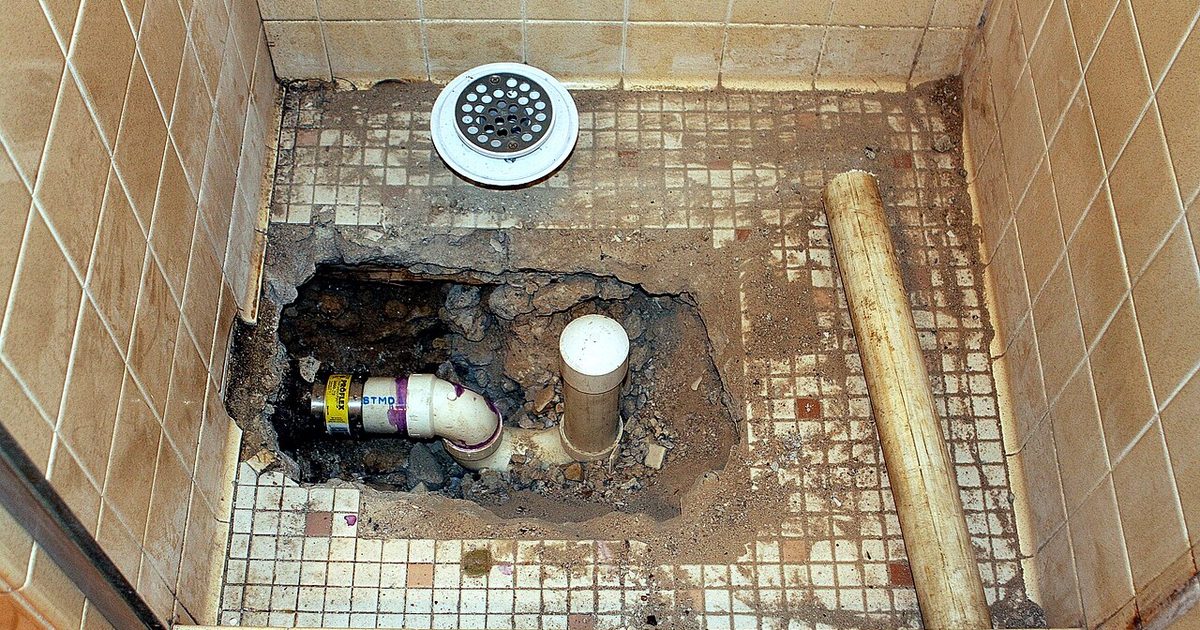
A drain snake, or hand auger, is a flexible steel cable with a small head. It follows the pipe, which is why it works, and it stops where the pipe stops being a straight run. Through a shower waste the cable gets you past the trap and along the branch. It will not turn a corner you cannot turn, and it will not clear a blockage further out in the main line if the branch joins at a sharp angle. What comes back on the cable is the useful part. Grey and slimy with hair in it means the blockage was where you thought and you have probably got it. Grit, sand or bits of broken pipe mean something has failed or bedding material has got into the line. Fine roots mean the problem is outside the bathroom, in a pipe they have found a way into, often at a joint rather than a break. Either way it is a repair conversation, not a clearance one. A cable that stops dead at the same distance every time is also information: a fixed hard stop usually means a fitting, a change of direction or a collapse rather than soft debris, and pushing harder is how a clearance becomes a repair. How much cable you need is set by the run to the stack, not the drop under the grate: the trap is close, and everything past it is the branch.
Chemicals, boiling water and the vinegar ritual
Off-the-shelf drain cleaners attack grease and soap film quickly and hair slowly, which is why a bottle often shifts the smell and the film without moving the blockage. There is a second problem: a caustic product sitting in standing water, in a room people use barefoot, is a splash hazard. Follow the label, do not mix products, and never pour one in on top of another. Baking soda and vinegar is the other thing people try. The fizz is real, but what you are watching is an acid and a base neutralising each other. It freshens a drain that is already running and will not dissolve a hair mat. This site has a separate guide on that method if you want the detail. Hot water does more than either, with a caveat. Very hot water softens soap film and moves grease, but a kettle of boiling water poured onto a ceramic tray, an acrylic base or an older solvent-welded joint is a risk you do not need. Hot water from the tap, in a couple of goes, does most of the good work. The order that works is mechanical first, then hot water and a mild cleaner to clear what is left, so next month's hair has less to stick to.
When the blockage is not the shower at all
Showers do not always have their own trap. ACO's planning information describes a bathroom with a single primary drainage trap, where the central floor waste takes the shower, basin and bath wastes as secondary drainage, and notes some bathrooms have separate traps at each fixture. That layout changes where a blockage can sit, not whether the shower can cause one: the shower waste and the branch from it can still pack with hair, and only the fixture test separates a blocked shower waste from a blocked shared line. The shared-line signs are specific. The bathroom floor waste backs up when the shower runs. The shower drains slowly and so does the basin, and both gurgle. The toilet bubbles when you run the shower. Each of those points downstream of the shower grate rather than at it. Water at the base of the screen, or coming up from under the tiles, is a different finding: that is a leak, not a sign of a blockage, and it is the more urgent of the two, because water under a tray damages framing and flooring before it becomes visible. Stop using the shower and get it looked at. Clearing a shower grate when the blockage is downstream buys a week and then the same call. A camera inspection tells the two apart, and it is worth asking what one would cost before a second clearance is booked.
What changes the size of the job
Access to the waste. A removable grate and a basket is a quick look. A tiled-in linear drain, or a waste siliconed shut, means the plumber starts by getting into it without damaging the waterproofing. Where the trap sits. A suspended floor with access underneath is easier than a slab, where the only way in is through the waste itself. What the blockage is. Hair and soap in the branch is the simple case. A failed waste, a cracked pipe, roots in the line or a collapsed section are repairs rather than clearances, and they are quoted differently. What has already been tried. A drain full of chemical cleaner, or a grate that has been levered and chipped, adds work. Say what you used when you book. Prices vary with all of that, so ask for a written quote that says what is included: the clearance, a camera if needed, and what happens if the waste is the problem. A quote given over the phone before anyone has seen the waste is a guess.
Keeping it clear between visits
A shower that used to drain quickly and now drains in twice the time is telling you the trap is filling while there is still time to deal with it in minutes. The place to intervene is the grate, not the pipe. A hair catcher over the waste does more work than anything else you can do at the grate in a household with long hair: it catches the mat before it reaches the trap. It is cheap, it sits on top of the waste, and it turns a monthly clearance into a weekly rinse. The same logic applies to a basket: empty it when it looks full, not when the water stops. Rinse the drain with hot water for half a minute after the last shower of the day. That moves soap film through before it sets. Keep paint brushes, mop buckets and floor-washing water out of the shower: they carry solids and grease the waste was never designed for. Waiting for standing water is how a small job becomes a Sunday call-out.
What to tell the plumber when you call
What happens and when: always slow, only after several showers, only when the washing machine runs. Whether anything else is affected: basin, toilet, floor waste, laundry. Whether it gurgles, and which fixture makes it gurgle. Whether there is a smell, and what it smells like. What you have already tried, including any chemical product, and whether you have pulled hair out already. Then the practical details: what type of waste it is, whether the grate lifts, and whether there is parking. In a Sydney apartment, access and parking are part of the visit; mention them when you book. Ask for a written quote, and ask what it covers if the blockage turns out to be further along than the shower. PlumbnShine puts Sydney homeowners in touch with local plumbers who work on blocked drains and shower wastes, so you can compare a written quote before anyone starts, and ask whoever you hire for their licence details. One more question worth asking: whether the waste itself is sound. A clearance on a cracked or loose waste will not last, and finding that out during the visit is cheaper than through the ceiling below.
Common questions
Why does my shower drain smell even though the water runs away?
A drain that passes water but smells is usually holding a film of soap, hair and skin cells on the walls of the trap and the branch. Clear the grate and basket, then rinse with hot water. If the smell is sewer-like rather than musty, treat it differently: that usually means the trap has lost its water seal, and it is worth having checked rather than masked.
Can I snake a shower with a tiled-in waste?
Usually yes, with care. A hand auger fed through the drain openings will reach the trap and the branch on most tiled-in wastes. Avoid levering a tiled or siliconed grate for a bigger opening: the waterproofing around a shower waste is hard to reinstate and a chipped tray is a much larger job. If the grate will not lift cleanly, stop and have it opened properly.
Will a blocked shower drain clear itself?
A partial blockage sometimes improves for a while after a long hot shower, which is why it feels like it fixed itself. It has not. The hair and soap are still in the trap, and the next few weeks add to them. The pattern to watch for is a drain that slows a little more each month, then backs up on a day when several people shower in a row.
How do I tell whether it is the shower or the main drain?
Run the basin tap and flush the toilet while you watch the shower. If the shower water rises, gurgles or bubbles when another fixture drains, the problem is downstream and the shared line or central floor waste is involved. If the shower is the only fixture affected, the blockage is most likely in the shower waste or its trap. Water appearing at the bathroom floor waste points the same way.
Need a licensed plumber in Sydney?
Tell us what's going on and a local plumber will get back to you fast.
Get my free quoteGet a free quote
Tell us what you need and a local, licensed plumber in Sydney will call you back. No obligation.
- Local, licensed plumbers
- Fast response — incl. emergencies
- Free quote, you choose who to hire