Blocked Kitchen Sink or Main Drain? How Sydney Homes Can Tell the Difference
A blocked kitchen sink can be a small trap full of grease, or it can be the first sign of a bigger drainage fault. The difference matters because a cheap sink clear and a main drain clean are not the same job. This guide walks through the symptoms Sydney households can check safely, when to stop using water, and what to ask for in a written quote.
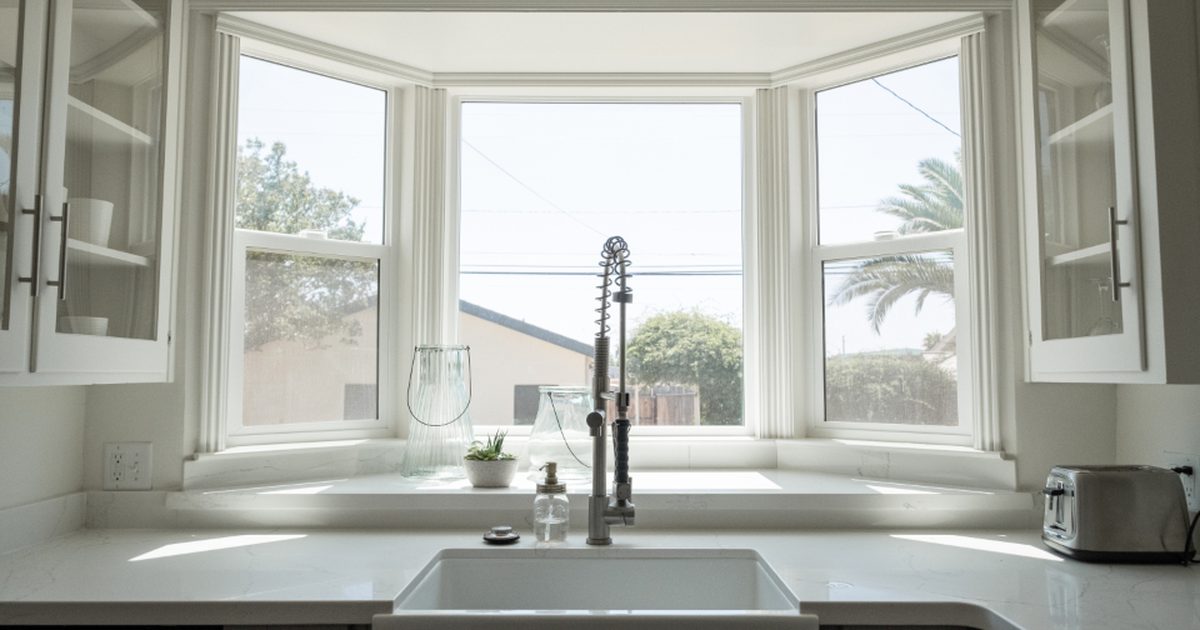
The first clue is how many fixtures are affected
Start by checking whether the problem is only at the kitchen sink. If the sink drains slowly but the bathroom basin, shower, laundry tub and toilet all behave normally, the blockage is likely local to the sink waste, trap or branch line. If several fixtures gurgle, drain slowly, smell, or back up at the same time, think wider. A main drain or sewer line problem can show itself in the lowest fixture first, which may be a shower, floor waste or laundry drain rather than the kitchen. Do not run every tap for a long test. Use small amounts of water and watch. If water rises somewhere else while the kitchen drains, stop. More water can turn a partial blockage into an overflow. A licensed plumber will ask these same questions because they decide whether the first tool is a trap clean, cable, jetter or camera inspection.
Local kitchen blockages usually have a pattern
A kitchen blockage often builds slowly. The sink drains a little slower each week, water swirls instead of pulling cleanly, the trap smells after washing greasy pans, or the dishwasher discharge pushes water back into the bowl. The usual causes are fat, oil, food scraps, coffee grounds, rice, pasta, soap residue and small items caught in the trap. Garbage disposal units, where fitted, can also hide a partial blockage. These problems are annoying, but they are usually limited. If there is no wastewater coming up elsewhere, no toilet gurgling, and no outdoor overflow, you may have time to stop using the sink, clear visible debris, and book normal drain cleaning. Do not pour boiling water into a sink if you are unsure about pipe material or have a ceramic sink that may crack from thermal shock. Warm water and dish detergent are safer for a light grease film, but they will not fix a hard blockage.
Under-sink checks you can do without tools
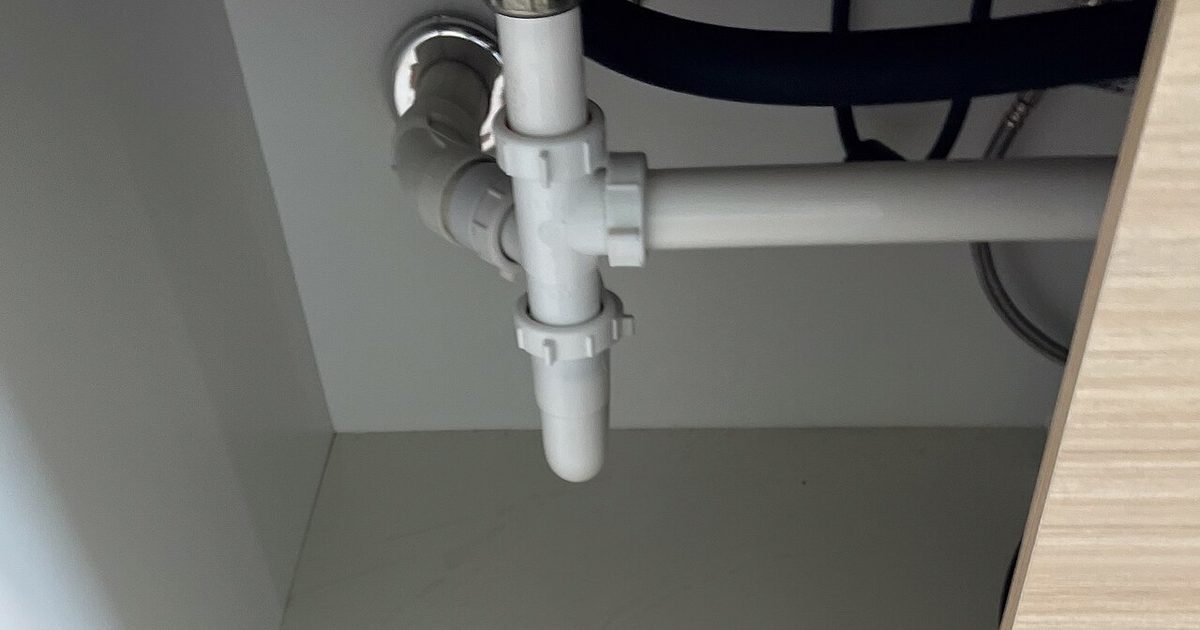
Open the cupboard and look, do not dismantle. Check for water marks, a sagging cabinet base, loose flexible hoses, a leaking trap, swollen chipboard, mould, pest activity and food scraps around the waste. Put a towel down and dry the area so you can see whether water returns. If the trap has a hand-tightened clean-out and you know how it works, you may clear it carefully, but stop if fittings are brittle, corroded or glued. Many leaks start after someone overtightens plastic by hand, cross-threads a fitting, or forgets a washer. Take photos before touching anything. If the cupboard smells like sewage rather than stale food, or water returns after the sink is not being used, the blockage may sit further along the line. A licensed PlumbnShine plumber can check the trap, dishwasher connection and branch line without turning a simple job into cabinet damage.
Main drain symptoms are harder to ignore
A main drain problem affects more than one part of the home. Watch for the toilet bubbling when the sink drains, shower water rising after the washing machine empties, a floor waste smell after rain, gurgling from several fixtures, or water appearing around an outdoor gully. In older Sydney homes, tree roots, cracked earthenware, sagging pipework and heavy grease can all narrow the line. Apartments and townhouses add shared lines, strata rules and access limits. If wastewater is backing up, treat it as urgent. Stop using sinks, showers, toilets, washing machines and dishwashers until the plumber tells you otherwise. The written quote should say whether the plumber is clearing an internal branch, external drain, boundary trap or main sewer line. Those words matter because they affect equipment, time, access and who may be responsible for the repair.
Grease is the quiet cause in many kitchens
Grease rarely blocks a pipe in one meal. It coats the pipe wall, catches food and hardens in cooler sections of the drain. The sink may still drain after dinner, then slow down the next morning once fats have cooled. Scraping plates, wiping pans with paper towel, using a sink strainer and putting cooled fat in the bin are basic habits that reduce the risk. They do not undo years of build-up. Chemical cleaners can make the sink feel active for a moment while leaving the blockage mostly in place, and they can make the plumber's job less safe. If the same kitchen sink blocks again after a quick clear, ask whether the branch line needs a proper clean rather than another trap clean. Repeated kitchen blockages are often a sign that the restriction sits past the cupboard.
Outdoor gullies and overflow points matter
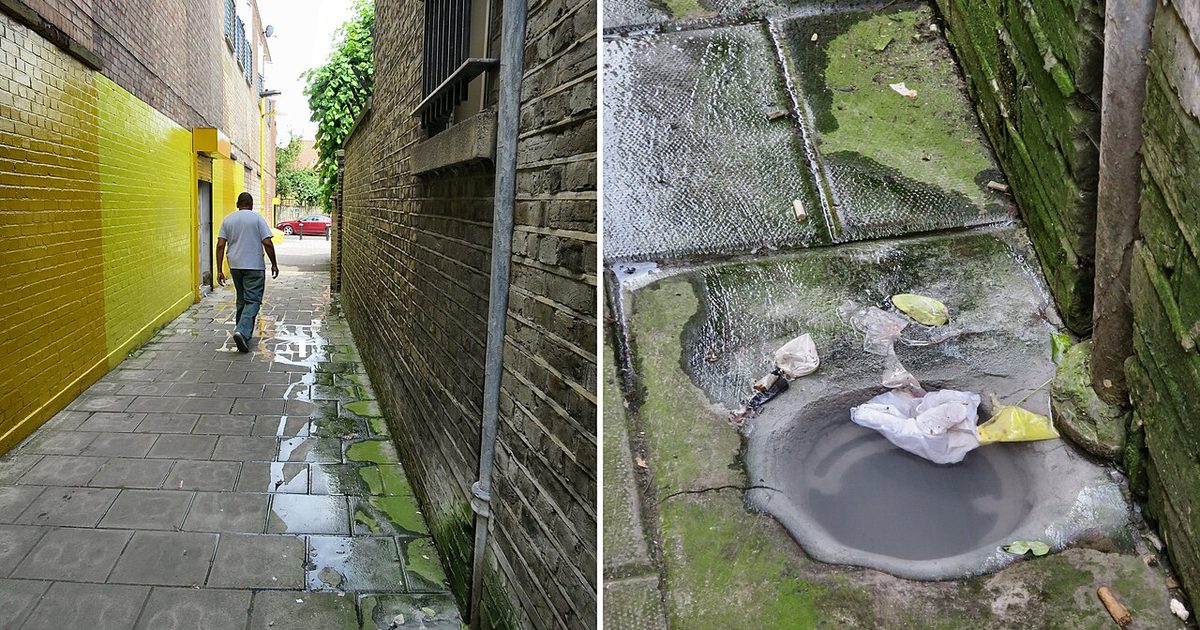
Many homes have an overflow relief gully or outdoor drain point that gives wastewater somewhere to escape before it enters the house. If that area is wet, smelly, bubbling or littered with toilet paper, stop using water and call an emergency plumber. Do not cover the gully because it looks unpleasant. It is telling you the drainage system is under stress. In heavy Sydney rain, stormwater and sewer symptoms can be confused, so describe exactly what you see: clear rainwater pooling, grey wastewater, toilet paper, food waste, or a smell like sewage. Photos help. If the fault is outside, the plumber may recommend jetting and a camera inspection to find roots, pipe collapse, a belly in the line or a junction fault. That evidence is useful before anyone quotes excavation or pipe repair.
Pros of starting with local checks
The upside of starting locally is cost control. You avoid paying for a larger blocked drain response if the problem is a simple trap or sink branch issue. You can also give the plumber better information: which bowl fills, whether the dishwasher backs up, whether the bathroom is normal, and whether the smell is stale food or sewer gas. Safe local checks may solve minor build-up and can prevent repeat call-outs when the cause is obvious, such as food scraps or a blocked strainer. The limit is that local checks only make sense while wastewater stays put and other fixtures behave. Once several drains react, water backs up, or an outdoor gully overflows, the local theory has run out. Keep the check brief, avoid dismantling old fittings, and do not let a small saving become water damage under the cabinet.
Cons and risks of guessing wrong
The risk of guessing is delay. A main drain blockage can worsen while you keep plunging the kitchen sink. Water may rise through a shower, laundry floor waste or toilet, and cleanup can cost more than the drain cleaning. Guessing can also damage old pipework. Harsh chemicals, aggressive plunging and rented equipment can crack brittle fittings, force wastewater through weak seals or push a blockage deeper. There is also a health risk when sewage is involved. If wastewater appears, keep children and pets away, ventilate the area and stop using fixtures. Ask for a written quote that separates investigation from repair. For example, the first stage may be clear the blockage and restore flow. The second may be camera inspection and a pipe repair quote if roots, collapse or a broken junction are found.
What a plumber may do on site
For a local sink blockage, the plumber may remove and clean the trap, check the dishwasher hose, clear the branch line and test flow with controlled water. For a deeper blockage, they may use a drain machine, hydro jetter or CCTV camera. The right order depends on symptoms and access. Camera inspection before clearing can be hard if the pipe is full of grease or wastewater, so the plumber may clear enough to see first. Ask what equipment is included in the quote, what counts as extra time, and whether after-hours rates apply. If the first clear works but the blockage returns, ask for camera evidence before paying for repeat drain cleaning. The goal is to match the tool to the fault and confirm whether the pipe needs repair.
Sydney cost framing without fake prices
Blocked drain cost in Sydney depends on access, time, equipment, urgency and whether the problem is local or on the main line. A simple kitchen trap clear during business hours should not be priced like an after-hours sewer backup. A main line with roots, difficult access, strata coordination or excavation is a different scope. Treat online prices as rough context, not a quote for your address. Ask for the business name, licence number, call-out terms, hourly or fixed price, equipment included, GST, and what happens if the blockage cannot be cleared in the first visit. Get it in writing before the work starts. If the plumber finds a broken pipe, ask for photos or camera footage and a separate repair quote. That keeps the drain cleaning job from turning into a vague open-ended spend.
Prevention that works after the drain is clear
Once the sink is flowing, change the habits that built the blockage. Scrape plates into the bin, wipe greasy pans before washing, use a basket strainer, avoid coffee grounds in the sink, and run enough warm water after normal washing to move light residue. Do not treat the sink as a rubbish chute. If the home has repeated root intrusion, prevention is different. You need evidence of the pipe condition, not another bottle of cleaner. A plumber may recommend scheduled jetting, root cutting, lining, local excavation or replacement depending on what the camera shows. Keep the report and footage because they help if you sell, renovate or need strata approval. Good prevention is specific to the cause: kitchen habits for grease, repair planning for broken pipe, and maintenance access for recurring tree-root problems.
Verdict: match the response to the symptoms
A single slow kitchen sink with normal toilets and showers usually points to a local blockage. Several affected fixtures, gurgling, wastewater smells, outdoor overflow or water rising at the lowest drain point point toward a main drain problem. Start with safe checks, stop using water if wastewater appears, and ask for a written quote that names the likely line, equipment and exclusions. The best next step is the smallest one that fits the evidence, not the cheapest guess.
Common questions
How do I know if my kitchen sink blockage is serious?
It is more serious if other fixtures gurgle, water rises elsewhere, sewage smells appear, or an outdoor gully overflows. If only the kitchen sink is slow and the rest of the home drains normally, it is more likely to be local.
Should I use chemical drain cleaner?
Avoid harsh chemicals, especially if the blockage keeps returning or you may need a plumber. They can damage fittings, create fumes and make the work less safe. Use safe surface cleaning and get a written quote for drain cleaning if flow does not return.
When is CCTV drain inspection worth it?
It is worth asking about when the blockage returns, more than one fixture is affected, tree roots are suspected, or the plumber finds signs of damaged pipe. Camera footage helps separate a one-off clear from a repair decision.
Who pays for a blocked drain in strata?
It depends where the blockage sits and what the strata plan says. A blockage inside your lot may be yours, while a shared line may involve strata. Ask the plumber to identify the likely location in writing so the right party can approve the work.
Need a licensed plumber in Sydney?
Tell us what's going on and a local plumber will get back to you fast.
Get my free quoteGet a free quote
Tell us what you need and a local, licensed plumber in Sydney will call you back. No obligation.
- Local, licensed plumbers
- Fast response — incl. emergencies
- Free quote, you choose who to hire