Baking Soda and Vinegar for Drains: What It Clears and What It Cannot
Can I clean a drain with baking soda and vinegar? Sometimes it helps with a slow, smelly sink, but it is not a serious blocked drain fix. The fizz can loosen light surface grime near the plughole; it will not cut through a deep grease plug, tree roots, collapsed pipework or a blocked main line. This guide shows what to try safely, what to skip, and when to ask for a written quote before paying for drain cleaning.
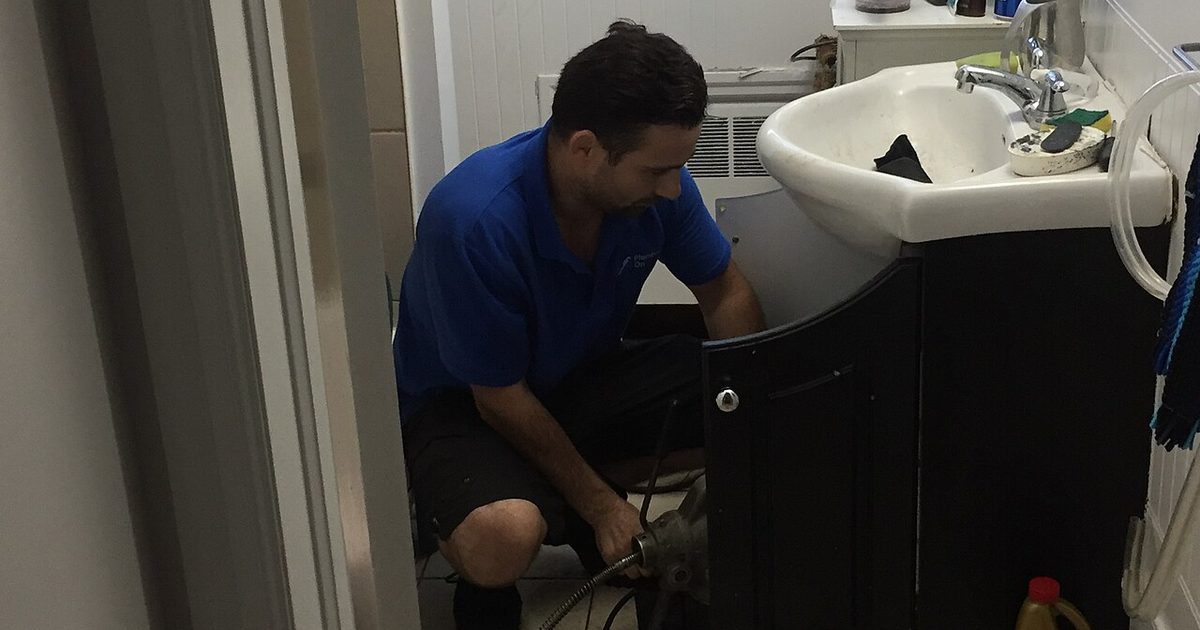
What the baking soda and vinegar reaction does
Baking soda is alkaline. Vinegar is acidic. When they meet, they fizz, release carbon dioxide and make a salty water mix. That fizz looks active, so it is easy to assume it is chewing through the blockage. In a real sink, most of the reaction happens close to where the two products touch. If the powder sits in the waste outlet and the vinegar lands on top, the bubbles can disturb loose grime around the strainer, the first bend and the slime that causes mild odours. That can be useful for a drain that still moves water, especially a bathroom basin with soap film and toothpaste residue. It is much less useful when water is standing still. A solid blockage also gives the reaction nowhere to travel, but the bigger limit is the chemistry rather than the reach. Baking soda and vinegar neutralise each other as they react, so the fizz is mostly carbon dioxide escaping rather than a cleaning liquid soaking into the blockage. Once the two have finished reacting, what remains is a salty water mix with no drain-clearing strength of its own. Anything past the point where the two products met is left untouched, and the bubbles cannot carry the reaction down a pipe the way a solvent would. In practice the warm water is doing most of the useful work here; the fizz mainly shows that the two powders met. That is why the method behaves like a surface rinse. It can lift soft greasy film that it actually contacts, and it does nothing about material it never reaches. Treat it as a light clean, not a drain-unblocking method.
Where it can help around the house
The best use is a slow but open drain. Think of a bathroom basin that gurgles slightly, a laundry trough that smells musty, or a kitchen sink that drains but leaves a greasy ring around the waste. In those cases, a small amount of baking soda followed by vinegar and warm water may freshen the first section of pipe. It may also loosen some soft residue if the problem is close to the plughole. Keep expectations modest. You are cleaning the first reachable section, not clearing a line under the floor. If one basin is slow but every other fixture works, this small clean can be worth trying before you book a plumber. If the toilet, shower and kitchen sink all slow down at once, the problem is unlikely to be a simple plughole clean. That pattern points to a deeper blocked drain that needs proper drain cleaning equipment.
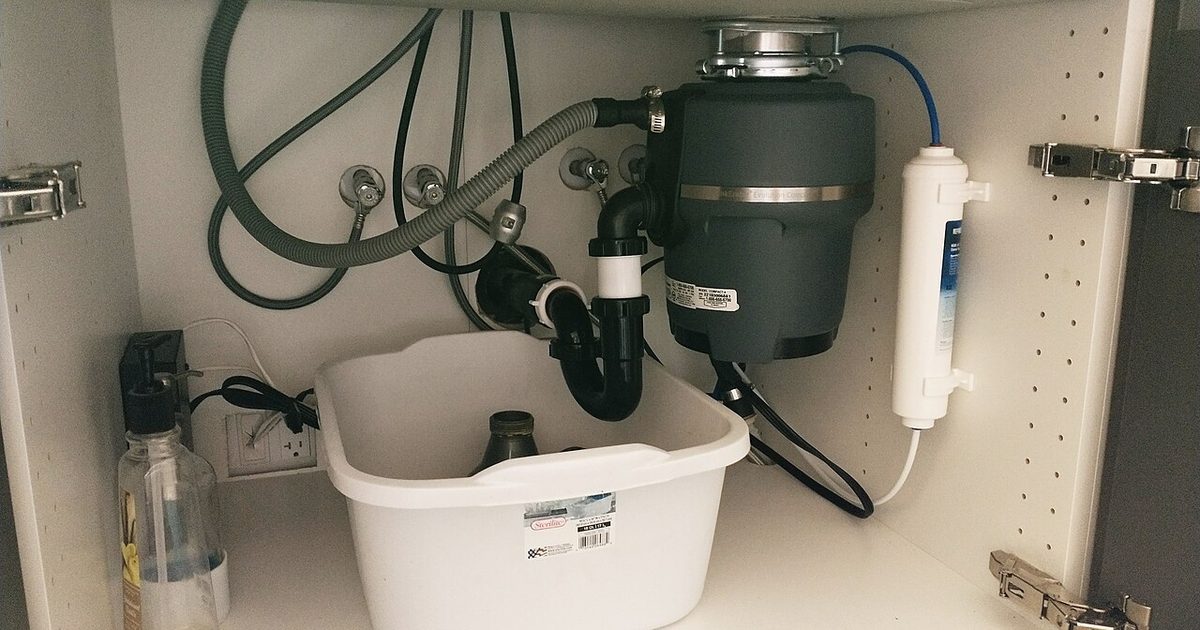
Where it will not clear the blockage
Baking soda and vinegar will not remove tree roots, broken pipe sections, compacted wipes, heavy grease, grout, sand, garden soil or a blockage several metres down the line. It also will not fix a drain that keeps blocking after every clear. Those problems need a different answer because the cause is physical, not just dirty pipe walls. A plumber may need to use a drain machine, high-pressure jetting or a camera inspection to find the blockage and see whether the pipe has moved, cracked or filled with roots. The same applies to outside gullies and stormwater drains. Leaves on the surface can be cleared by hand, but mud, silt and root growth inside the line will not dissolve because a household mix fizzed near the grate. If the water level rises, backs up or smells like sewage, stop adding products and keep the area as clean as you can until help arrives.
The safe way to try it on a slow sink
Start with the least messy version. Remove the strainer or plug insert, scoop out visible hair or food, and wipe the rim of the waste. Pour a kettle of warm, not boiling, water through if the sink material and pipework can handle normal hot tap conditions. Add about half a cup of baking soda around the outlet, then follow with a similar amount of white vinegar. Let it fizz for 10 to 15 minutes. Rinse with warm water and test the drain with a small, steady flow, not a full sink of water. Do not keep repeating the process if nothing improves. Repeating it five times usually wastes time and can leave gritty residue sitting in the trap. If the drain improves a little but slows again that day, write that down. A temporary improvement tells the plumber something useful: the line is restricted, not completely closed, and the blockage may be soft waste, grease, a trap issue or a deeper partial obstruction.
Do not mix it with chemical drain cleaner
Do not pour baking soda and vinegar into a drain that already has chemical drain cleaner in it. Do not follow a chemical cleaner with vinegar either. Mixing different drain products is not worth the risk. Guidance from the WA Department of Health is that drain cleaners are dangerous chemicals to be used only as directed, with the label read carefully, the product stored securely and children kept away from it (healthywa.wa.gov.au/Articles/U_Z/Using-household-chemicals-safely). Open a window and wear gloves if you handle any of these products, and keep the area clear while the drain settles. If you have already used a drain cleaner, leave the label out where the tradesperson can see it and mention it when you book the job. Also avoid plunging hard after chemicals have been poured in, because the liquid can splash back into the sink or onto nearby surfaces. For most Sydney households, the safer order is simple: visible debris first, warm water next, one mild baking soda and vinegar attempt if the drain still moves, then stop. If the drain is blocked solid, skip the home mix and get advice. An independent plumber can quote for drain clearing without you adding more liquids that make the job messier.
Grease is the common kitchen problem
Kitchen sinks often slow because fat, oil and food scraps cool inside the waste line. Baking soda and vinegar may disturb the edges of that build-up, but it does not turn a thick grease plug into running water. Hot water can move soft grease a short distance, then the same grease can cool again further along the pipe. That is why a sink can seem better after a home remedy, then block worse later. If the sink smells sour, drains slowly after washing pans, or gurgles when the dishwasher empties, the issue may be grease in the branch line rather than a dirty plughole. The best prevention is boring but effective: scrape plates, wipe greasy pans with paper towel before washing, keep coffee grounds and rice out of the sink, and use the strainer. Once grease has built up, ask for a quote that separates clearing the blockage from any camera check or repair recommendation.
Bathroom drains are usually hair and soap
Bathroom basins, showers and bath wastes slow for different reasons. Hair wraps around the waste fitting, soap scum sticks to it, and toothpaste can leave a paste-like film. A baking soda and vinegar rinse may help the smell, but it will not grab a mat of hair from the waste. If you can remove the waste insert safely, a small hook tool or gloved fingers can sometimes lift the hair from the top. Stop if you need to undo pipework, force a fitting or reach into a sharp or dirty opening. Shower drains can also hide deeper issues because water spreads across the floor before you notice the line is slow. If the shower drain gurgles, the toilet bubbles, or water appears from another drain when you run the basin, it is no longer a simple bathroom clean. Those cross-fixture symptoms matter more than the smell from one plughole.
When a slow drain becomes a plumber job
Call for help when the drain is blocked solid, more than one fixture is affected, sewage smell is present, water comes back through another outlet, the same drain blocks repeatedly, or the blockage is outside the room you are working in. Also call if you hear gurgling after the tap is off or the water level in a floor waste rises when someone flushes. Those signs point away from a plughole clean and toward a blocked drain that needs diagnosis. A written quote should say what is included: attendance, drain clearing, jetting if needed, camera inspection if recommended, after-hours pricing if relevant, and any further repair work only after the blockage is located. You do not need a perfect diagnosis before calling. Clear notes and photos are enough. Tell the plumber what you tried, which fixtures are slow, and whether the problem is getting worse.
What changes the cost of clearing it
The bottle version is cheap: baking soda, vinegar and warm water cost only a few dollars. The trade-off is that it only suits light residue in a drain that still moves. A professional blocked drain quote in Sydney changes with access, time of day, where the blockage sits, whether jetting is needed, whether a camera inspection is included, and whether the plumber finds damage after the line is cleared. A simple sink trap problem is usually less involved than a main line that needs jetting from an outside access point. After-hours work usually costs more than a weekday booking. The useful comparison is not bottle versus plumber; it is small maintenance clean versus proper blockage removal. If water is backing up, repeated home attempts can cost more in clean-up time and delay than booking the right job early.
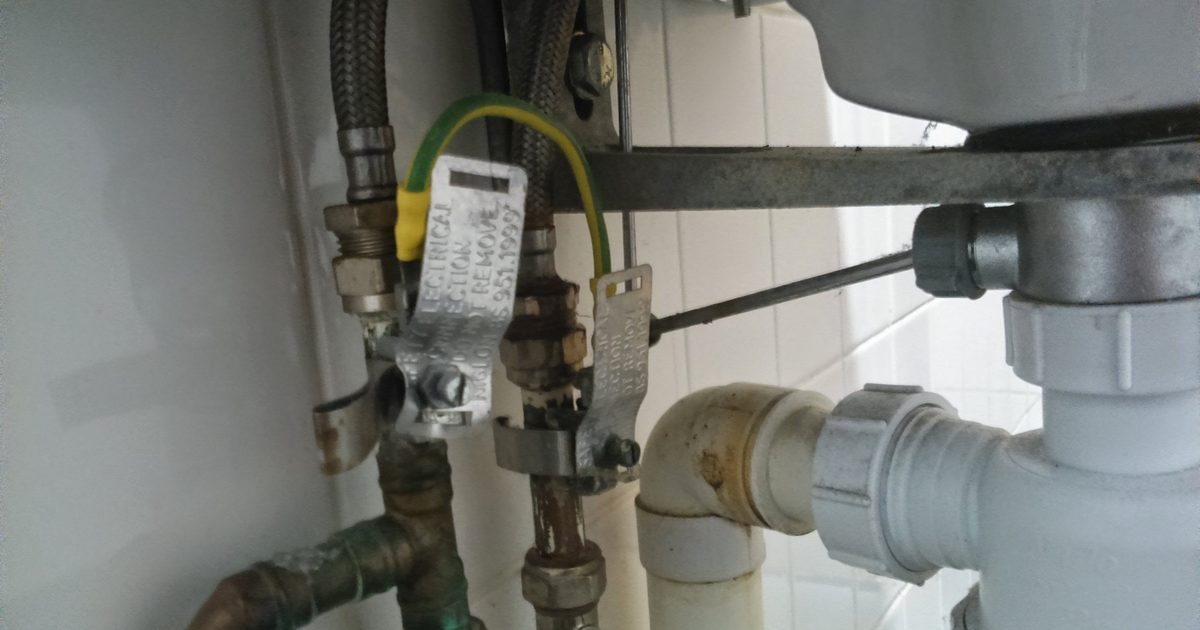
What to ask for in the written quote
Ask for plain wording. What drain is being cleared? Is the quote for a sink trap, branch line or main blocked drain? Does it include jetting, a camera inspection, travel, waste clean-up or after-hours charges? What happens if the line cannot be cleared from the first access point? If extra work is recommended, ask for photos or camera findings and a separate price before you approve it. You can also ask the tradesperson you hire for their licence details and the business name on the invoice. That keeps the conversation practical and trust-based without turning the job into guesswork. For a PlumbnShine quote, useful photos include the affected sink, the outside access point if you know it, any standing water, and the product label if you have used a drain cleaner. The clearer the starting information, the easier it is to price the right first step.
Common questions
Will baking soda and vinegar unblock a drain?
It may freshen or slightly improve a slow drain with light residue near the plughole. It will not reliably clear grease plugs, hair masses, wipes, roots, silt, collapsed pipework or a blocked main drain.
Can baking soda and vinegar make a blockage worse?
It can waste time on a serious blockage, and repeated attempts can leave gritty residue in the trap. The bigger risk is mixing it with chemical drain cleaner or continuing to run water into a drain that is already backing up.
What should I try before calling a plumber?
Clear visible debris, remove hair from the waste if it is easy to reach, try warm water, and use one mild baking soda and vinegar clean only if the drain still moves. Stop when water is standing, backing up, smells like sewage or affects more than one fixture.
What should a blocked drain quote include?
Ask whether the quote includes attendance, the drain-clearing method, jetting, camera inspection, after-hours pricing and any follow-up repair work. Get those items in writing before approving the job.
Need a licensed plumber in Sydney?
Tell us what's going on and a local plumber will get back to you fast.
Get my free quoteGet a free quote
Tell us what you need and a local, licensed plumber in Sydney will call you back. No obligation.
- Local, licensed plumbers
- Fast response — incl. emergencies
- Free quote, you choose who to hire